Before you have kids, it’s easy to make big statements about how you’ll parent.

You’ll never raise your voice. You’ll always make time. Your child will definitely sleep in their own bed. Then you actually have kids of your own, and everything changes. The logic changes, the reality hits, and suddenly all those smug theories from the sidelines make way for messy, beautiful, exhausting truth. These are the things you only really get once you’re deep in the parenting trenches.
Sleep deprivation isn’t just tiredness, it’s a whole personality change.
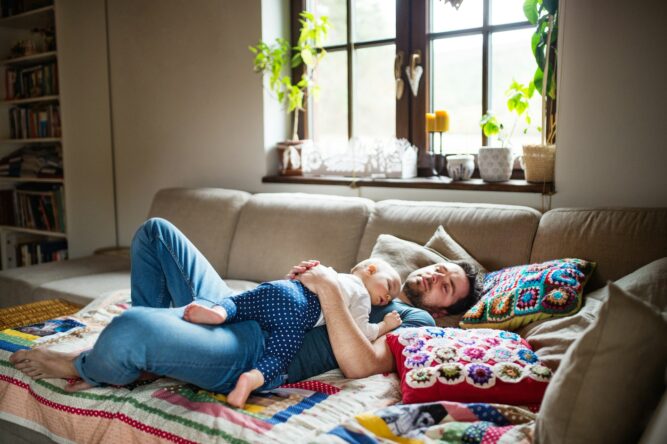
You think you’ve been tired before, but nothing quite prepares you for the kind of exhaustion that seeps into your bones after months of broken nights. You don’t just yawn. You forget what day it is, cry over nothing, and stare into space mid-sentence. Before kids, you picture the baby sleeping while you sip tea. In reality, you’re googling “can humans survive on two hours’ sleep” at 3 a.m. with one eye open and a muslin cloth on your head.
Your definition of “mess” completely changes.
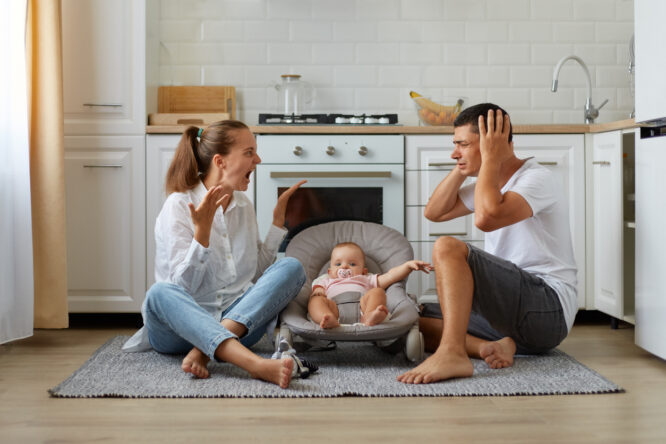
What used to be an untidy room now feels like a luxury. After kids, the house can look like a soft-play centre exploded, and that’s just a regular Tuesday. You’ll find raisins in your shoes, toys in the toilet, and start saying things like “at least it’s not permanent marker.” Letting go of perfection is part of survival. You learn to prioritise what matters because clean floors mean nothing if your child finally napped on you, and you didn’t dare move.
You develop a sixth sense for danger, but also weird silence.
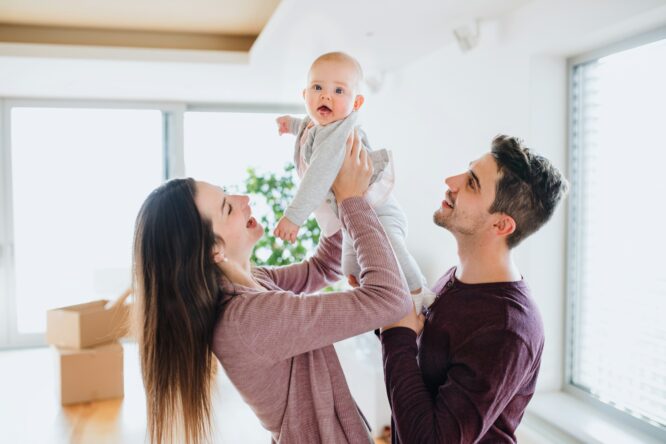
You start to hear potential hazards in everything: stairs, crumbs, and the suspicious sound of silence. When things go quiet, it’s rarely a good sign. Silence, in parenting terms, usually means lipstick on the walls or a toddler covered in Sudocrem. Before kids, you don’t notice how sharp corners are or how small objects are choking hazards. After kids, you scan every room like a security expert, and still miss the fact they’ve somehow climbed the bookshelf.
Leaving the house becomes a full-blown operation.

You used to grab your bag and walk out the door. Now you’re packing snacks, wipes, spare clothes, backup spare clothes, and negotiating with a three-year-old about wearing shoes. All just to get to the post office. Even when you finally get out, there’s always something you’ve forgotten, or someone needs a wee the second you hit traffic. Spontaneity becomes a fond, distant memory.
You feel more guilt than you ever thought possible.
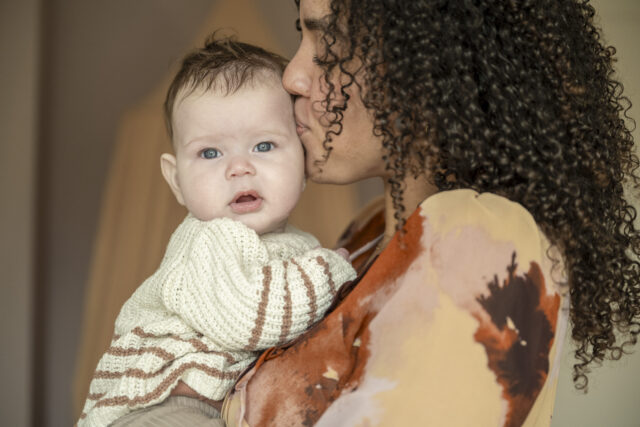
Am I doing enough? Was that too harsh? Why don’t I enjoy this all the time? The guilt shows up uninvited, even when you’re doing your best. You’ll question yourself constantly, even when you’re giving everything you’ve got. Before kids, you imagine parenting is all about love and laughter. And it is, but it’s also carrying a quiet, constant weight of responsibility that nobody warns you about.
You gain a new level of respect for your own parents (or maybe less).

Some people find they suddenly appreciate how much their parents gave or sacrificed. Others see clearly the gaps and what they missed out on. Either way, parenting brings new context to your own childhood, whether you expected it or not. Things you once resented might now make sense, or things you brushed off now feel heavier. Raising a child can be healing, but also confronting in ways no book ever explained.
You start celebrating the tiniest wins like you’ve won the lottery.

They ate a vegetable? Slept through the night? Put their socks on without a full dramatic arc? Victory. You’ll find yourself texting your partner about a successful nappy change like it’s breaking news. Parenting forces you to notice small progress—because that’s where most of the joy lives. It’s not about milestones, it’s about moments, and they start to mean everything.
You realise just how little control you actually have.

You can have routines, plans, and Pinterest schedules, but kids have their own moods, fears, and meltdowns that can throw it all off. You’re not steering the ship; you’re holding on while it bounces through a storm, wearing socks that don’t match. It’s humbling, frustrating, and liberating all at once. That’s because once you accept that control is mostly an illusion, you start finding peace in the unpredictability.
Your patience will be tested in ways you never imagined.
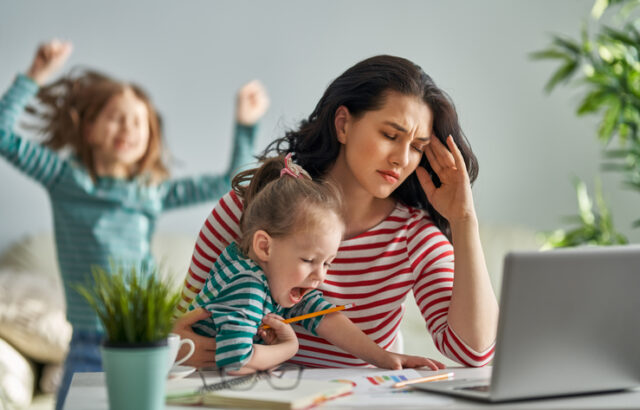
It’s one thing to stay calm in a traffic jam. It’s another to calmly explain why we don’t eat crayons for the sixth time that morning while peeling a toddler off a cupboard door. Parenting teaches you that patience isn’t just a virtue, it’s a necessity. Even the most chilled-out people will have days when they want to scream into a cushion and hide in the loo.
You start understanding why parents talk about their kids all the time.
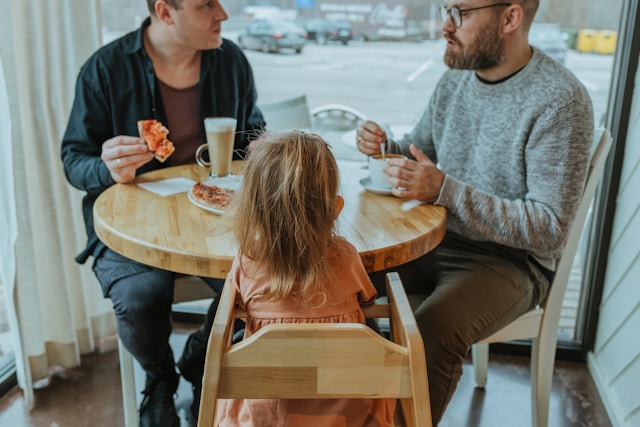
You swore you wouldn’t be “that person.” And yet here you are, telling a story about your child’s sneeze like it’s plot-worthy. You can’t help it—it’s your whole world now. Parenting doesn’t just change your daily routine. It rewires what you find meaningful. You might still be “you,” but you’re now also someone’s whole anchor, and that changes everything.
You learn to function on chaos and love at the same time.
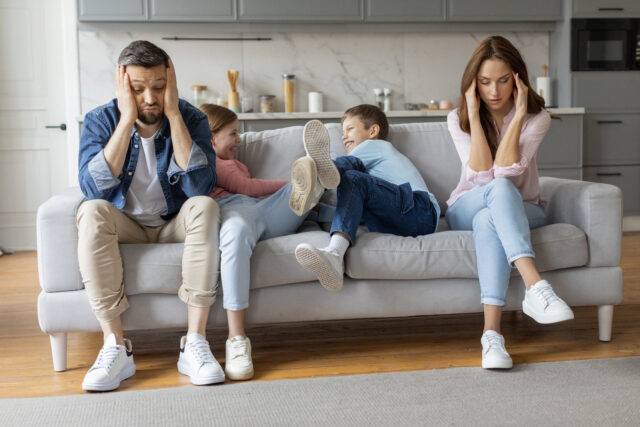
Your house is a mess, you haven’t had a hot drink in days, and there’s a stain on your shirt you don’t remember acquiring. But somehow, in all of it, there’s joy. A smile, a cuddle, a silly question—they reset everything. Before kids, you might have thought joy meant peace and stillness. After kids, you realise it’s laughter through noise, connection through exhaustion, and love that shows up even when you’re running on empty.
You stop judging other parents very fast.
 Source: Unsplash
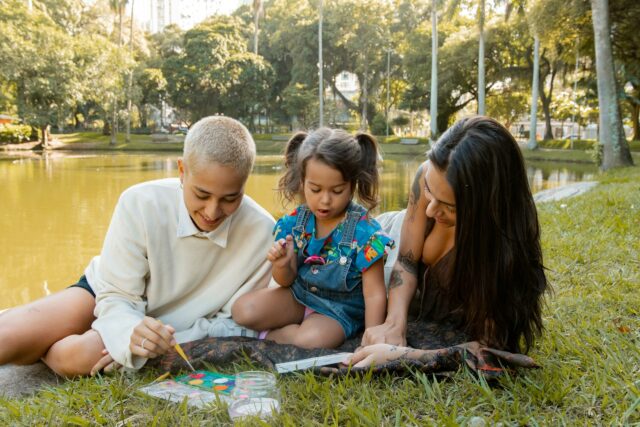
 That kid screaming in the café? That baby in mismatched clothes? That mum handing over a phone at dinner? Once upon a time, you might’ve raised an eyebrow. Now? You get it. Parenting strips away the illusion that there’s a “right” way to do everything. Everyone’s doing their best with what they’ve got, and that moment of empathy hits hard when you realise you’ve become the person you used to judge.
You start noticing the world through their eyes.
 Source: Unsplash
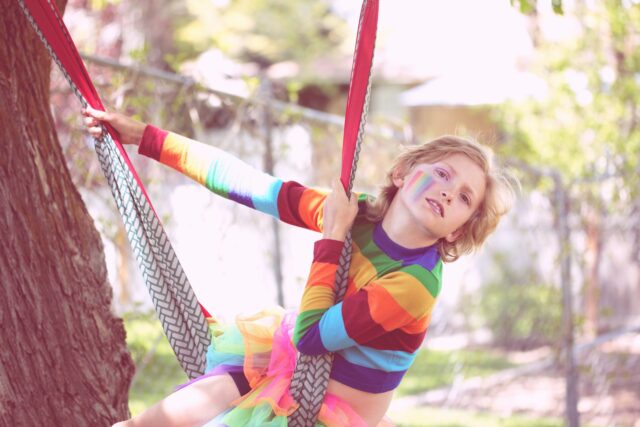
 You start pointing out butterflies, listening to birds, or explaining why the moon’s following the car. It’s not forced; you genuinely start seeing the magic in small things again because your child notices everything. It’s grounding, and it’s healing. You begin to slow down in ways you didn’t know you needed, just to experience the wonder that comes with seeing life fresh through someone else’s gaze.
You realise love can feel overwhelming, and that’s okay.

Sometimes it hits out of nowhere. You look at your child and feel a wave of love so intense, it almost hurts. Other times, you’re touched out, burnt out, and desperate for five minutes to yourself. It’s not either/or; it’s both. Parenting stretches your heart and your patience. And the love you feel for your child becomes something raw, complicated, and unlike anything you’ve ever felt before.