There’s something uniquely revealing about solo travel.
You don’t just get to see and explore new places—you’re also seeing yourself in new ways. Without familiar people around to shape your experience, you notice how you think, feel, react, and move through the world when it’s just you. Weirdly enough, those lessons hit differently than anything you’ll learn on a group tour. As a result, here are some of the things solo travellers often discover about themselves that group trips just don’t uncover.
You’re more capable than you gave yourself credit for.
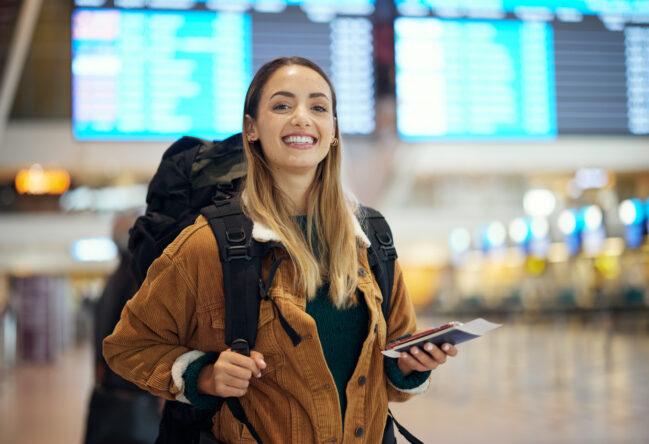
When you are on your own and things go sideways like missing the last connection, your bank card playing up, or wandering three miles in the wrong direction with a heavy backpack, there’s no one else to look to. You can’t outsource the problem to a mate who’s good with maps or let someone else take the wheel.
Having to fix every snag yourself is daunting at first, but figuring it out gives you a massive sense of competence. You realise that even when you are tired, hungry, and completely lost, you do not fall apart. You take a breath, ask a local, find a solution, and move on. That confidence stays with you long after you have unpacked your bags back home.
You have preferences you never noticed before.

On a group trip, you spend half your time doing things you only half-fancy just to keep everyone happy. You go to modern art galleries because your mate wanted to, or you sit in an overpriced café because the group could not decide on lunch.
When you travel solo, that social filter completely disappears. You might discover you actually hate rushing around ticking off famous tourist landmarks and would much rather sit in a park for three hours reading a book. Or, you might find out you love getting up at 6 a.m. to beat the crowds, even though you always claimed to be a night owl. You finally get to see what your natural rhythm looks like when you’re not following anyone else’s schedule.
You get comfortable being alone in public.
The first time you walk into a busy restaurant in an unfamiliar city and ask for a table for one, it can feel like everyone in the place is staring right at you. You wonder if you look lonely, weird, or out of place sitting there without a companion.
Give it three days, and that self-consciousness completely evaporates. You start to realise that nobody is paying attention to you anyway, and sitting by yourself with a great meal and a drink is actually one of life’s best simple pleasures. You stop needing a buffer to feel comfortable in your own skin, which makes everyday life back home feel a whole lot lighter.
You listen to yourself more, and start trusting what you hear.
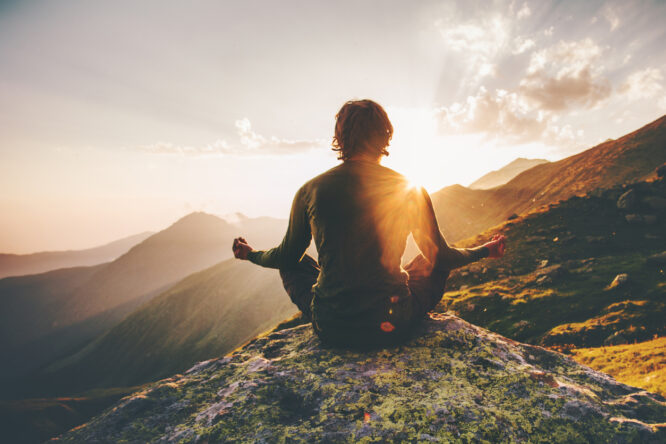
When you travel in pairs or groups, every single decision turns into a little committee meeting. You debate where to eat, whether to turn left or right, and if a certain side street looks alright to walk down.
When it’s just you, that internal conversation has to happen fast. If a place feels a bit dodgy, you turn around. If a little cafe looks welcoming, you walk in. You stop second-guessing every choice and start paying attention to your instincts. Learning to trust your own judgement in unfamiliar surroundings rebuilds a level of self-trust that modern life usually buries under endless opinions.
You learn what kind of discomfort helps you grow.
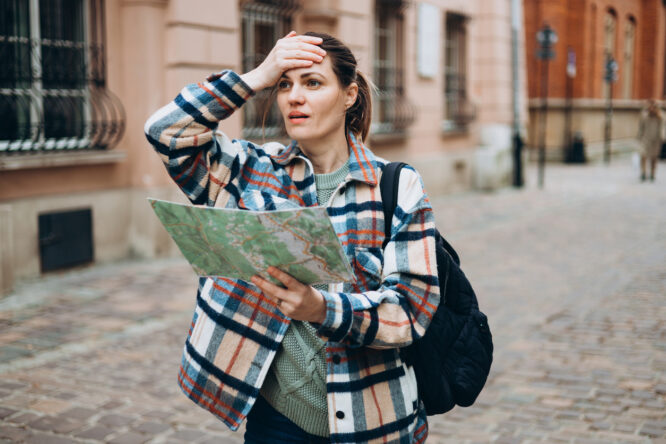
Group trips tend to cushion the hard edges of travel because you can laugh off the annoyances together over a pint. When you are on your own, the awkward moments—struggling with a foreign menu, dealing with a grim hostel, or sitting through hours of travel delays—are yours to sit with.
At first, it feels rough, but sitting through those awkward stretches teaches you real adaptability. You learn that feeling out of your depth for an afternoon doesn’t ruin a trip; it’s just part of the experience. Once you realise you can handle being a bit uncomfortable without the sky falling down, you stop running away from new challenges.
You drop the need to impress anyone.

When you are surrounded by people who don’t know you from Adam and whom you’ll likely never see again, the urge to curate your image vanishes. You don’t care about wearing the coolest outfit, making witty small talk, or getting the perfect shot for the internet.
You end up dressing entirely for comfort, eating where you want, and taking random detours purely because something caught your eye. Stripping away the need for outside approval lets you experience a place directly, rather than viewing the whole trip as content to show off to people back home.
You learn how your mind fills space when it’s quiet.
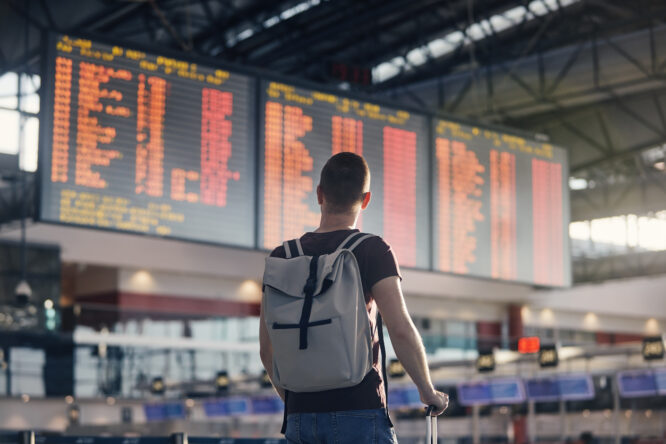
In normal day-to-day life, there is constant noise: work chats, phone notifications, music, podcasts, and evening plans. It’s very easy to go months without spending an hour of uninterrupted silence with your own thoughts.
Walking through a city on your own for eight hours, or staring out the window of a five-hour train ride, creates a massive clearing in your head. Without endless distractions filling the gaps, your brain actually has the space to process old memories, untangle lingering worries, and come up with fresh ideas. It can be a bit startling at first, but that mental breathing room is often the most valuable part of the whole journey.
You get clearer on your boundaries.

When you’re travelling alone, your safety and peace of mind rest entirely on your own shoulders. You don’t have a mate standing next to you to help brush off an over-enthusiastic street vendor, an aggressive tout, or someone in a bar giving you a weird vibe.
You learn to drop the polite, apologetic hesitation that so many of us carry around in daily life. You get comfortable giving a blunt, direct “no,” turning on your heel, or simply walking out of a situation that doesn’t feel right. Developing that sharp radar and backing it up without feeling guilty is a skill that completely changes how you carry yourself back home.
You stop needing constant distraction.

At the start of a solo trip, reaching for your screen is an automatic reflex. The second you sit down on a bench, wait for a tram, or finish a coffee, your hand instinctively dives into your pocket to scroll through social media just to look occupied.
After a few days, that nervous tick starts to fade. You become comfortable just leaning back, looking at the architecture, listening to the street noise, and watching the world move around you. You stop needing constant digital stimulation to fill the quiet patches, which brings a level of focus and presence that’s hard to find in regular life.
You find out what makes you feel grounded, no matter where you are.
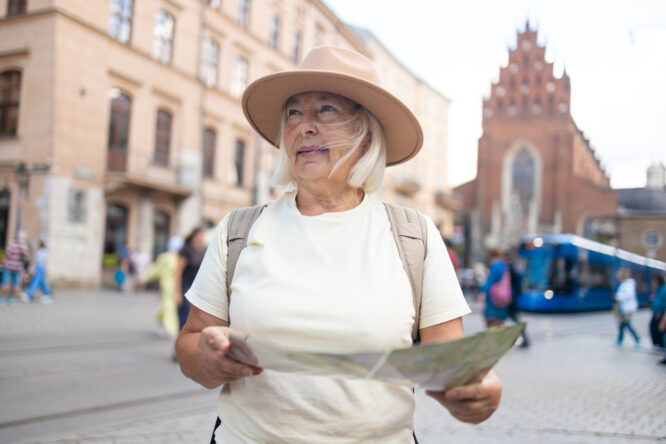
Waking up in a different hotel or hostel every few days can be slightly disorienting. To keep yourself steady, you naturally start creating tiny, grounding rituals that belong entirely to you, regardless of what postcode you’re in.
It might be finding a local bakery for the exact same morning coffee, spending 10 minutes writing notes at the end of the day, or going for an early evening walk around the block. You realise that feeling settled isn’t about owning a pile of furniture in one location; it’s about the small, consistent ways you look after yourself wherever you happen to unpack your bag.
You learn that loneliness and solitude are definitely not the same.
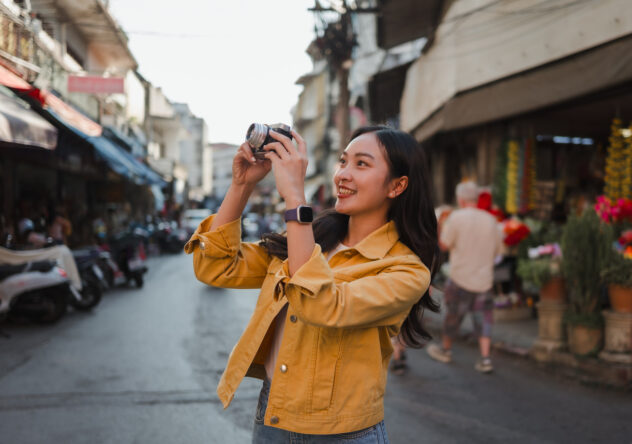
Loneliness is that sharp, hollow ache of wanting connection and feeling cut off from everyone. Solitude, on the other hand, is just having your own space, your own timeline, and the mental freedom to do whatever you fancy without asking for permission.
A lot of people avoid doing things alone because they’re terrified that solitude will instantly turn into loneliness. Solo travel proves that they aren’t the same thing at all. You learn to relish the peace of spending an entire Tuesday without uttering more than 10 words to another human, and you stop viewing your own company as something you need to escape from.
You discover that everyday kindness from strangers is surprisingly common.
When you travel in a group, you tend to stay inside your own little bubble, talking among yourselves and keeping the rest of the world at arm’s length. When you’re standing on a street corner looking utterly baffled by a map, you’re approachable.
You end up having brief but authentic interactions with station staff, shopkeepers, and other travellers who go out of their way to point you in the right direction or offer a bit of local advice. Experiencing that basic, decent human generosity in a place where you know nobody softens your outlook, making you far more patient and willing to lend a hand when you’re back on your own home turf.
You finally meet the version of you that’s not performing.
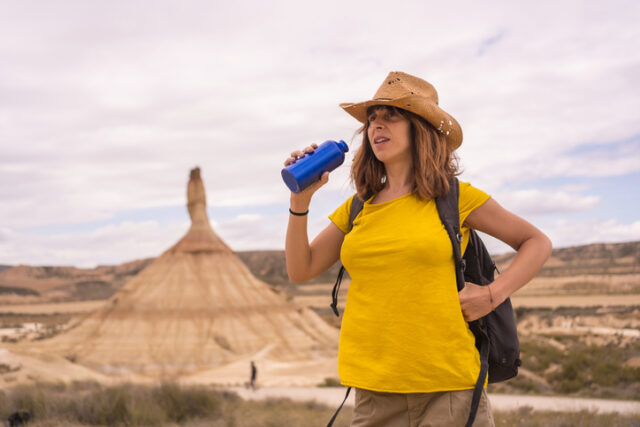
Most of our lives are spent playing roles: the reliable employee, the easy-going friend, the dependable partner, or the sensible child. We constantly calibrate our behaviour, tone, and opinions to match the expectations of the people sitting across from us.
When you’re hundreds of miles away from everyone who knows your history, all those external expectations vanish. You’re left with the raw, unfiltered version of yourself—the one who decides what to eat, when to sleep, and what to care about without trying to maintain an image. Once you’ve spent a couple of weeks with that version of yourself, it becomes a whole lot harder to go back to pretending in your regular life.