There’s a real satisfaction in stepping into a garden or living room that stays lively no matter what the weather’s throwing at us outside.
Most people fall into the trap of riding the seasonal roller coaster of buying spring bulbs, fussing over summer annuals, and then watching the whole lot collapse into a brown mess the second the cold sets in. Swapping out pots every few months gets exhausting and expensive fast, but picking a few hardy workhorses that hold their ground through all 12 months completely changes the game. By choosing plants that offer different features as the seasons change, you keep your space looking brilliant year-round while saving yourself a fortune in constant replacements.
Blueberry bushes bring fruit and colour together.
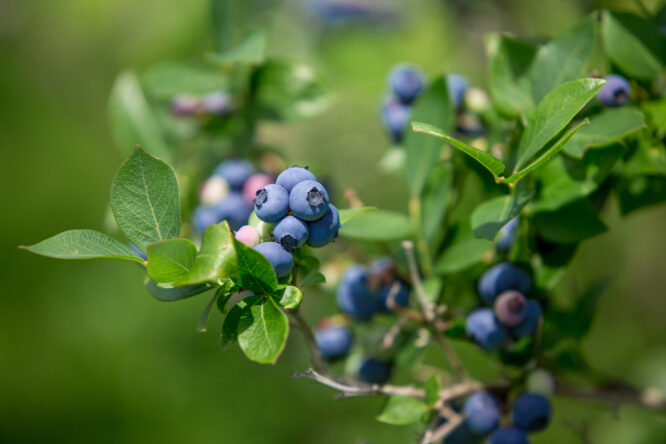
Blueberry bushes earn their keep with fruit from June through August, delicate white blooms in spring and summer, and leaves that turn a striking red come autumn. They’re hardy, too, happily surviving cold winters by lying dormant until the weather warms back up.
Compact and rarely growing taller than a metre, they suit smaller gardens and patios well. They prefer acidic soil, so watering with rainwater rather than tap water helps keep conditions right, and a sunny spot with a weekly feed during fruiting season keeps them thriving.
Forest pansy trees offer a dramatic display.
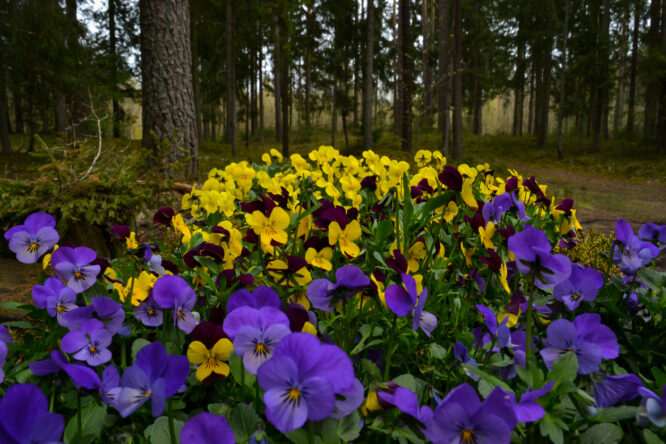
Native to North America, the forest pansy is grown mainly for its striking foliage, with pinky-violet blossoms appearing on bare stems each spring. Come autumn, the leaves transition through shades of red, purple, orange, and bronze for a proper showstopper of a display.
These trees do best in fertile, moist, well-drained soil with sun or partial shade, and work particularly well planted against a wall. They can be planted at any time of year, making them a flexible addition whenever the gardening mood strikes.
African violets bring colour indoors all year.
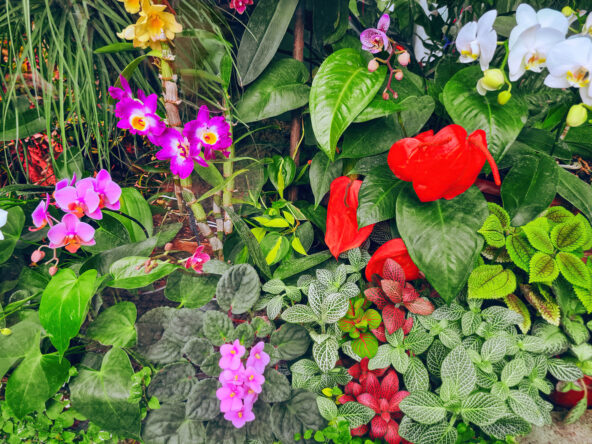
Originally from the tropical rainforests of East Africa, African violets are compact houseplants known for their fuzzy, rosette-shaped leaves and cheerful blooms in white, red, pink, blue, and mauve. Given the right conditions, they can flower almost continuously for months on end.
As tropical plants, they’re happiest in bright, indirect light, watered regularly with room-temperature water, and kept on a tray of damp gravel for humidity. Misting is best avoided, though, since it can encourage mould and mildew to develop on the leaves.
Crab apple trees stay interesting in every season.
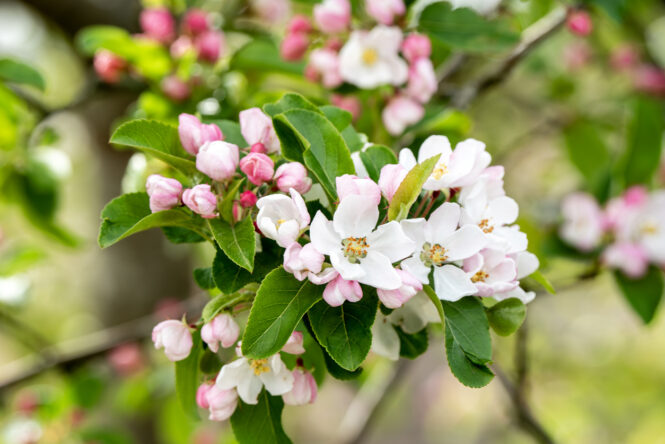
Crab apples have long been linked with love and fertility, and these hardy, long-lived trees can survive for up to a century. Fruit appears in August and September, starting green before ripening to yellow, though the tree offers plenty of interest well before then.
Sweetly scented pinky-white blossoms cover the bare branches each spring, and some varieties add ornamental foliage throughout summer, too. Best planted in a sunny spot with moist, well-drained soil enriched with organic matter, they reward patience with beauty across every part of the year.
Witch hazel blooms when little else will.
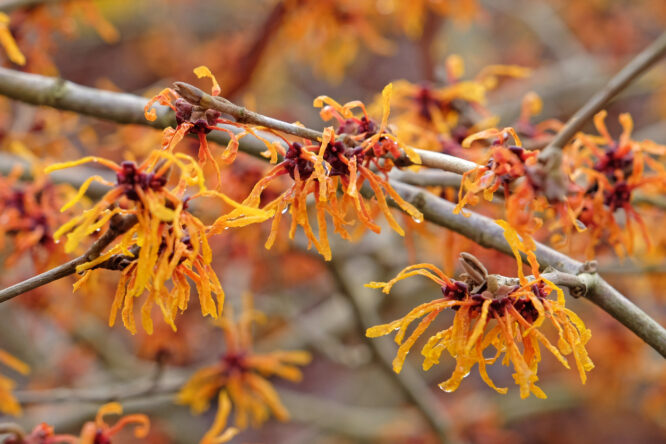
Witch hazel stands out for producing its spidery, strongly scented flowers on bare branches during late winter and early spring, a time when most gardens look fairly bare. Oval leaves provide greenery through summer before turning a deep red and falling in autumn.
Beyond its looks, witch hazel has a long history as a natural remedy for skin issues like bruising and acne, and remains a common ingredient in over-the-counter treatments today. It’s low maintenance too, needing little pruning, though it does appreciate shelter from harsh winter winds.
Oakleaf hydrangeas change dramatically through the year.
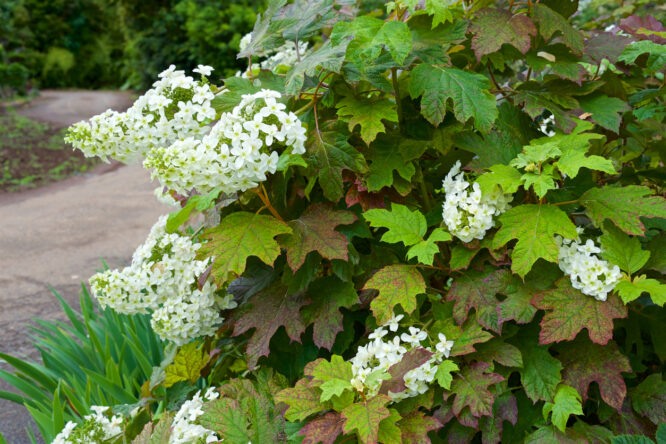
Named for their large, oak-shaped leaves, these hydrangeas produce cone-shaped flower clusters that go from greenish-white to pinkish-purple as they age. Spring and summer bring tall, elegant flower displays, while autumn turns the leaves fiery red and orange, leaving behind rustic dried flower heads.
Even winter has something to offer, as fallen leaves reveal bark that peels back into a striking dark layer beneath. Hardy and low maintenance, oakleaf hydrangeas grow well in moist, well-drained soil with full sun to partial shade, and rarely need pruning unless they get unruly.
Tibetan cherry trees shine even with bare branches.
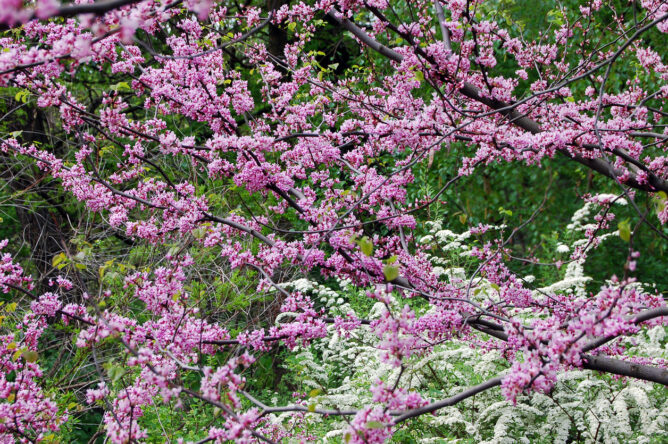
Native to Western China and Tibet, the Tibetan cherry tree is best known for its glossy, mahogany-coloured bark, which peels away in horizontal bands to reveal honey and cinnamon tones underneath. Even in winter, when the branches are completely bare, that bark remains truly eye-catching.
Spring brings clusters of small white flowers, while autumn sees small, non-edible white fruit appear alongside leaves turning yellow before falling. These trees tolerate most soil types as long as they’re moist and well-drained, needing full sun or partial shade and very little pruning to thrive.
Congo cockatoo plants add an exotic touch indoors.
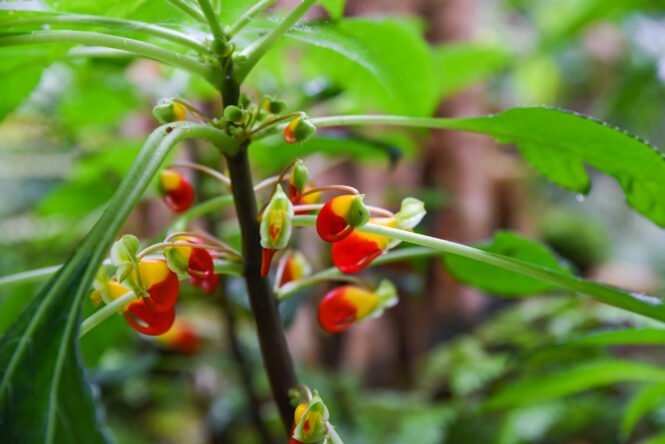
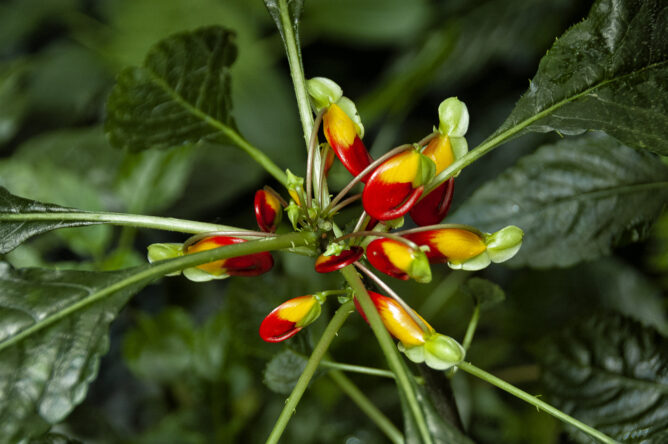
Originally from East Africa, the Congo cockatoo, sometimes called the parrot plant, brings woody brown stems, glossy green leaves and unusual yellow or red flowers shaped like tiny parrots. Remarkably, it blooms year round while needing very little upkeep in return.
Sensitive to cold and drafts, it’s best kept indoors in the UK rather than outside. Bright light and moist, well-drained soil keep it happiest, making it a striking, low-maintenance addition to any windowsill or bright corner of the home.