Every social gathering in Britain comes with its own unwritten rulebook that everyone is just expected to know.

You never turn up empty-handed, you always bring a bottle or a treat for the host, and you definitely peel the price sticker off before handing over a bunch of supermarket flowers. But there’s a whole separate set of etiquette nobody ever prepares you for, and it kicks in right at the end of the night: how to actually get people to leave your house without being downright rude.
Lingering guests eventually become a problem for most hosts.

Once the dessert bowls are stacked in the sink and the coffee has gone stone-cold, there’s a specific moment where hosts start silently praying for their guests to head toward the front door. A recent survey asked people what they consider an acceptable cut-off time for a dinner party, and a huge chunk admitted they start completely running out of steam by around 11pm. That’s long after most lingering guests assume the night is still in full flow.
While plenty of people gave obvious answers like “leave once you’ve finished eating,” a surprisingly fierce debate kicked off about what a guest’s actual responsibilities are before they get to walk out the door.
People can’t agree on whether guests should help with the washing up.

A staggering number of host survey respondents argued that a guest hasn’t actually finished their duty until they’ve rolled up their sleeves and helped tidy up the kitchen. Some people strongly feel that helping with the washing up is the unspoken price of admission for a home-cooked meal, expecting guests to grab a tea towel before they can gracefully make an exit.
It’s a proper line in the sand, though. Plenty of people think it’s bizarre to expect visitors to do manual labour before heading home. On the flip side, some hosts prefer a much simpler, no-nonsense fix: just telling people straight up when the night is going to wrap up before they even arrive, setting a firm two or three-hour limit on the whole thing.
Hosts have to choose between gentle hints and more blunt tactics.

Not everyone bothers beating around the bush when they want their living room back. Some host respondents admitted to simply slipping away, changing into their pyjamas, and walking back into the lounge, hoping everyone gets the painfully obvious hint without anyone having to say a word out loud.
Others reckon the whole situation is easy to avoid if you’re actually proper mates with the people sitting on your sofa. The logic goes that real friends just instinctively read the room and know when it’s time to call it a night, which skips the awkwardness entirely—assuming your friends actually have that level of self-awareness, of course.
Different cultures around the world have their own ways of dealing with this issue.
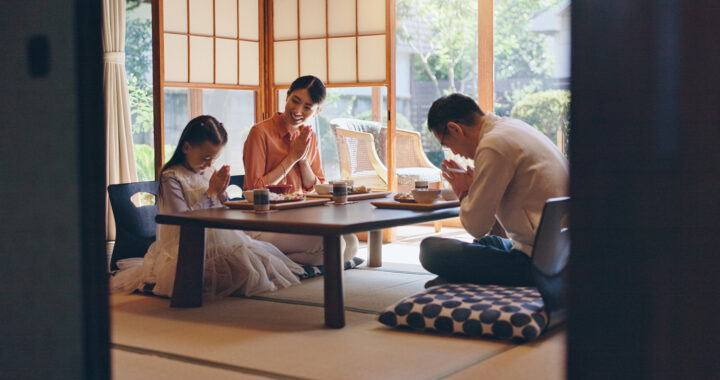
We aren’t the only ones who find it tricky to show people the door. Over in Japan, specifically in places like Kyoto, hosts historically used a subtle trick where they’d offer visitors a bowl of tea-soaked rice as a polite signal that the gathering was coming to an end. Any guest who knew the score would take the hint, decline politely, and start putting their coat on.
Germany takes the complete opposite route and opts for total honesty. A phrase that translates to “I am feeling visited enough” went viral online as a brilliantly blunt way to tell people to clear out. Physical moves like placing your hands flat on your knees, standing up, and giving a loud “Right then!” are also universal signs that the party is officially over.
Etiquette experts have clear views on how to handle guests who outstay their welcome.

According to people who study social manners, a very specific kind of tension builds up in a room when a guest misses every single hint. The plates have been stacked, the chat has died down, people are yawning every five minutes, and yet nobody wants to be the bad guy who breaks the silence and calls time on the evening.
If gentle comments about having an early start tomorrow fall on deaf ears, experts say starting to visibly clear away glasses or wiping down surfaces right in front of people is a fair next move. Asking a close mate to pop into the kitchen and help dry a few dishes is generally fine, but dumping that expectation on someone you barely know is a bit rich.
Being a good guest is simpler than people make it out to be.

At the end of the day, your job as a guest is just to turn up, enjoy the food, and be good company, while the host gets to call the shots on when the night is wrapped up. A lot of etiquette pros reckon a gentle nudge works way better than passive-aggressive moves, like asking if anyone wants a final glass of water or casually bringing up your plans for tomorrow morning to signal that things are winding down.
What feels totally normal and friendly to one person might feel completely harsh or pushy to someone else. Paying attention to the room, picking up on the vibe, and knowing when to call an Uber usually matters a whole lot more than sticking to any rigid rulebook about when a party should officially end.