Gatwick Airport’s second runway is officially going ahead after campaigners lost their final fight to take the case further through the courts.
The government successfully fought off a high-profile legal challenge, bringing an end to months of uncertainty over the project. Opponents and local campaigner groups had mounted a serious attempt to block the expansion over environmental and local disruption concerns, but the High Court’s ruling has given ministers the green light to proceed.
It’s a landmark decision for the UK’s aviation industry, but one that is bound to reopen the fiercely contested debate over national infrastructure versus green commitments. Here’s what the court’s ruling means for the airport, local residents, and the millions of passengers passing through its terminals each year.
Why the legal challenge failed at the High Court

Campaign group Communities Against Gatwick Noise Emissions, along with local campaigner Peter Barclay, had taken legal action against the Department for Transport over its decision to approve the expansion. Part of their argument centred on claims that the Government hadn’t properly assessed the scheme’s impact on the climate before signing it off.
That challenge was dismissed by the High Court back in June, with the judge ruling it wasn’t unreasonable for the Transport Secretary to approve the project without treating it as a threat to the UK’s carbon reduction targets. A separate argument questioning why Gatwick needed expanding at all, given how close it sits to Heathrow, was also rejected at that stage, with the judge finding the reasoning behind the decision held up under scrutiny.
The appeal didn’t succeed either.
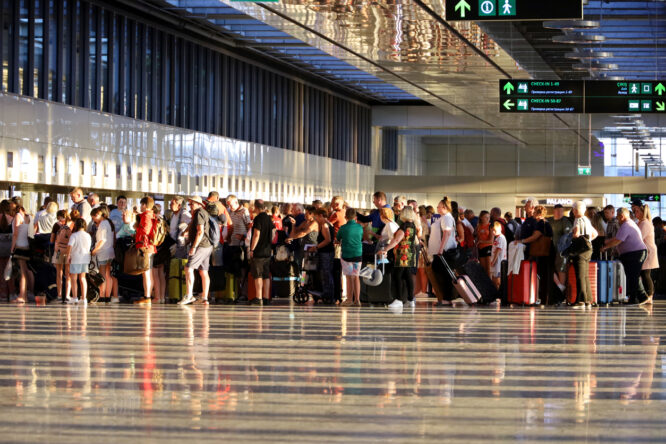
Undeterred by the High Court’s ruling, campaigners then asked the Court of Appeal for permission to challenge that original decision, arguing the judge had got it wrong on several counts. Two senior judges ultimately dismissed the request this week, concluding that none of the grounds raised stood up to real scrutiny.
In a 29-page written ruling, the judges stated plainly that neither appeal had any real chance of succeeding, and found no other compelling reason for either case to be heard in full. They also specifically praised the original High Court ruling as detailed and thorough, effectively closing the door on further legal challenges through this particular route and drawing a firm line under years of campaigning against the scheme.
The expansion is actually pretty impressive.

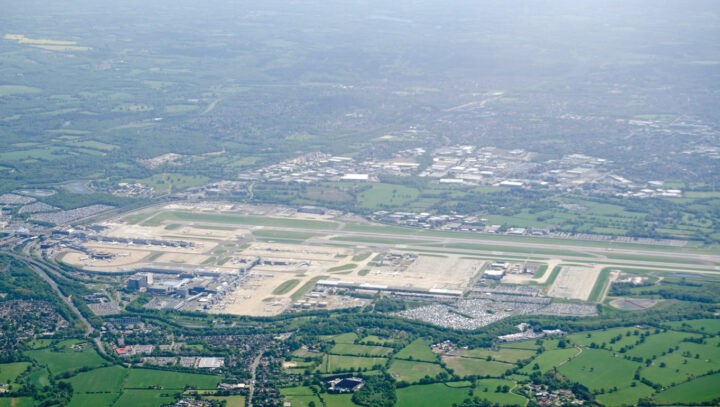
The £2.2 billion project involves moving Gatwick’s existing emergency runway 12 metres further north, allowing it to be used as a fully operational second runway rather than sitting idle as a backup for the airport’s main runway. Once complete, the airport will be able to handle around 100,000 additional flights a year, a substantial jump in capacity for a site that currently relies on a single main runway.
Gatwick already holds the title of the UK’s second-busiest airport behind Heathrow, and it’s currently one of the busiest single runway airports anywhere in the world, a status that’s placed real pressure on its ability to grow without the addition of a second usable runway. The new runway will be used specifically for departures of narrow bodied aircraft, including common short and medium haul models like the Airbus A320 and Boeing 737, rather than handling the larger long haul jets that typically use the airport’s main runway.
The timeline for getting the new runway operational is longer than you might think.
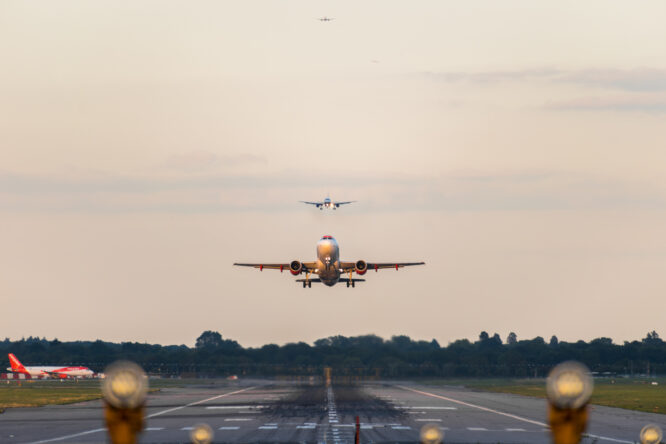
Despite the legal battle now being resolved, passengers won’t see the benefits of the expanded runway immediately. The first flights are expected to take off from the new runway in 2030, giving Gatwick several years to complete construction work, secure the necessary infrastructure upgrades, and prepare the airport to handle the significant increase in traffic the expansion will bring.
That five-year runway between approval and operation reflects the scale of work involved in physically moving and upgrading an existing runway, alongside the wider terminal and airspace changes needed to safely manage close to double the current flight volume through the site.
The Government says this is good news for passengers and the economy.
The Transport Secretary described the ruling as a major milestone for both the airport and surrounding local communities, pointing to the investment and thousands of jobs the expansion is expected to create in the region. She said the additional capacity, roughly 13 million more passengers a year alongside the extra flights, would give holidaymakers considerably more choice while strengthening the UK’s global travel connections at a time when the Government has made growth a central priority.
The framing from ministers has consistently linked the expansion to wider economic ambitions, positioning increased airport capacity as part of a broader strategy to make the UK more attractive for international investment. Whether that economic case ultimately outweighs the environmental concerns raised by campaigners throughout the legal process remains a point of ongoing debate, even with the legal challenges now exhausted.
The Government is addressing environmental concerns.
Alongside approving the expansion, the Government has also committed over £219 million toward green fuel production, specifically aimed at cutting emissions from flying as the aviation industry continues to grow. This investment is being presented as evidence that expansion and climate commitments can move forward together, rather than treating airport growth and environmental responsibility as mutually exclusive goals.
Whether that funding actually offsets the additional emissions expected from 100,000 more flights a year is likely to remain a contested question, particularly among the campaigners who fought the expansion through the courts on exactly this basis. For now, though, with the legal route to blocking the project fully exhausted, attention shifts toward how the promised investment in sustainable aviation fuel actually translates into measurable emissions reductions over the coming years.
What happens next for Gatwick?
With the legal challenges now resolved, focus turns to the practical work of delivering the expansion on schedule. Construction planning, infrastructure upgrades and airspace coordination will all need to progress steadily over the coming years if the 2030 target for first flights is to be met.
For residents living near the airport who backed the legal challenge, the ruling marks a disappointing end to a lengthy campaign, though it’s unlikely to be the final word on how the expansion’s environmental impact plays out in practice. As construction gets underway, scrutiny is likely to switch from the courtroom toward how closely the finished project matches the promises made around jobs, growth, and emissions reduction during the approval process.