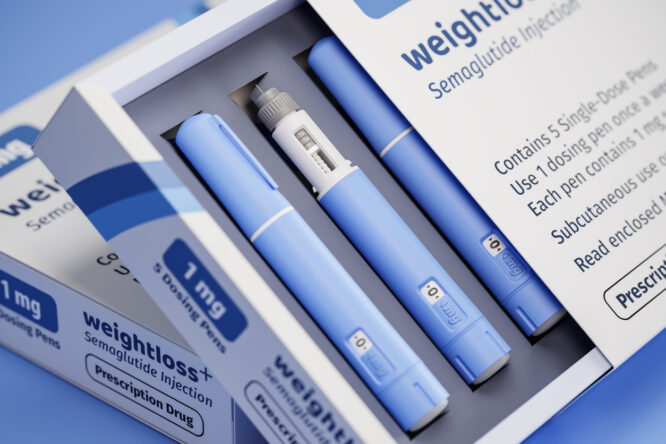
Weight loss drugs like Ozempic and Wegovy have already transformed how we treat diabetes and obesity.
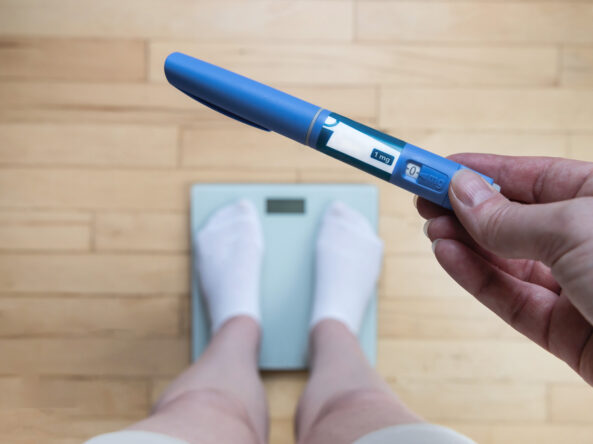
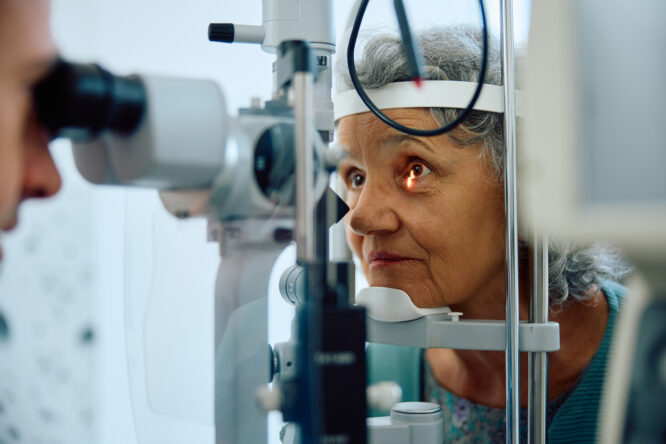
However, researchers keep uncovering unexpected benefits tied to how they interact with the rest of the body. The latest discovery connects GLP-1 medications to eye health, with new research suggesting they could actually help protect against age-related macular degeneration—the leading cause of permanent vision loss in older adults.
While these injections have already earned a reputation for tackling everything from heart health to addiction, findings that show they might actively lessen the risk of sight-threatening conditions suggest these drugs could offer far broader protective qualities than anyone first anticipated.
The research was in-depth and thorough.
Scientists looked at data from more than 157,000 people, all aged 60 or above, all living with obesity, and crucially, none of them had diabetes. This was noteworthy because most earlier research into this connection involved people with type 2 diabetes, which made it harder to separate out any effect specifically tied to blood sugar control.
The group was split roughly in half. One half had started taking GLP-1 drugs to manage their weight, while the other half used different types of weight loss medication instead. Researchers then tracked both groups over several years to see how their eye health changed over time.
One clear link to a specific eye disease that emerged.
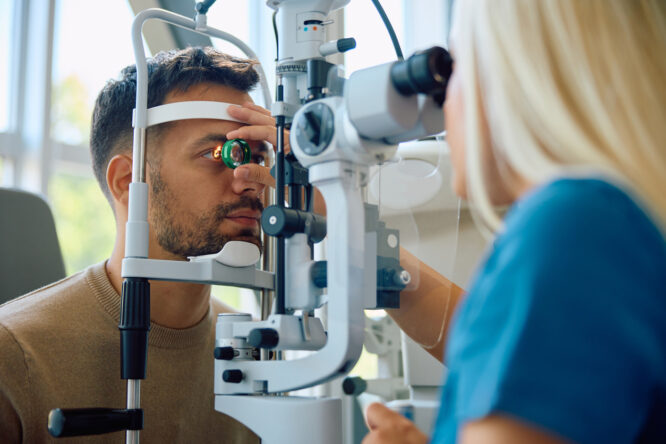
People taking GLP-1 drugs showed a noticeably lower rate of developing age related macular degeneration compared to those using other weight loss medications. Overall, GLP-1 use was linked to an estimated 18% lower risk of developing the condition during the study period, and that figure climbed even higher, to around 30%, when looking specifically at cases where the exact type of the disease wasn’t recorded.
Interestingly, the protective effect didn’t show up equally across every form of the condition. There was no clear link for the wet form of the disease, and while there was a trend suggesting some protection against the more common dry form, it wasn’t strong enough to be considered statistically reliable on its own.
Why scientists think this might be happening
There are two main theories currently being explored. The first suggests GLP-1 drugs might directly protect nerve cells in the retina by calming down inflammation there, specifically by suppressing a particular inflammatory pathway in the eye.
The second, and arguably more straightforward explanation, is that people taking GLP-1 drugs tend to lose more weight than those on other medications, and that weight loss itself, regardless of how it’s achieved, might be what’s actually lowering the risk. Since excess weight is already known to increase inflammation and oxidative stress throughout the body, shedding it could independently reduce the risk of developing this eye condition.
The distinction is important here.
If the effect really does come down to weight loss itself rather than something unique to GLP-1 drugs, the takeaway changes in an important way. Rather than these medications having a special protective quality for the eyes, it would suggest that losing weight through any effective method could offer similar benefits.
This idea lines up with older research from around a decade ago, which found that for every single point increase in body mass index among people who were overweight or living with obesity, the risk of developing this eye condition rose by roughly 2%. That earlier study predates GLP-1 drugs entirely, which adds some weight to the theory that it’s the weight loss itself doing most of the work.
There are some things that this research doesn’t tell us yet.

It’s worth being upfront about the limitations here. The typical follow-up period was fairly short, just one year for people taking GLP-1 drugs and two and a half years for the comparison group, meaning these were largely newer patients tracked over a relatively brief window of time.
Because of that, researchers can’t say for certain whether this protective effect comes specifically from the drugs themselves, from the greater weight loss they tend to produce, or some combination of both. Untangling that properly will require longer, more detailed studies that track weight changes and eye health together over much longer periods.
What comes next for this research?

Researchers are calling for further studies specifically designed to separate out these different possible explanations, including longer-term tracking of both weight and eye health outcomes together. They’re also interested in studying younger groups, since this particular study only looked at people aged 60 and above.
For now, this remains an interesting and promising early finding rather than a settled conclusion. It adds to a growing pattern of GLP-1 drugs showing benefits that reach well beyond their original purpose, though exactly how and why still needs a lot more research to fully understand.