Around 100,000 people across the UK have a stroke every year, and it remains one of the country’s leading causes of both death and long-term disability.

While those figures sound daunting, many people do not realise that a vast number of strokes are preventable, and the outcome heavily depends on how fast you react when something goes wrong. Knowing the subtle warning signs to look out for, along with understanding the day-to-day lifestyle factors and health conditions that raise your risk, can change how quickly someone receives emergency medical care. When every minute counts in preserving brain function, having that knowledge ready could make all the difference in saving a life or preventing life-changing damage.
What actually happens during a stroke?

A stroke happens when blood flow to part of the brain gets cut off, either by a blood clot or a burst blood vessel. Without a steady blood supply, brain cells are starved of oxygen and begin dying within minutes, which is why fast treatment matters so much.
There are two main types. Ischaemic strokes, the more common of the two, happen when a blood vessel narrows or becomes blocked by a clot. Sometimes that blockage is only brief, causing what’s called a mini stroke, which can feel like a strange, fleeting moment of confusion or slurred speech before passing. Haemorrhagic strokes work differently, occurring when a blood vessel actually ruptures and bleeds into the brain, damaging the surrounding tissue.
There are warning signs everyone should know.

Stroke symptoms tend to appear suddenly, and there’s a simple way to remember the most common ones. One side of the face may droop, making it hard to smile properly. One arm might feel weak or numb, making it difficult to lift and hold up. Speech can become slurred or confused sounding.
That’s where the FAST acronym comes in, standing for Face, Arms, Speech, and Time to call 999. If you spot any of these signs, calling for emergency help immediately is essential, even if the symptoms seem to pass quickly on their own.
Other signs are easy to miss.

Beyond the classic FAST symptoms, a stroke can also cause weakness or numbness down one side of the body, blurred vision or sudden vision loss in one or both eyes, and trouble finding the right words. Dizziness, sudden confusion, memory problems, a severe headache, or feeling sick can all be signs too.
Even if symptoms disappear on their own after a short time, it’s still crucial to get medical attention straight away rather than assuming everything’s fine. The long-term impact of a stroke depends heavily on which part of the brain was affected and how severely, with changes to speech and understanding, or weakness down one side of the body, being among the most common lasting effects.
An irregular heartbeat raises your risk considerably.

Atrial fibrillation, an irregular heart rhythm, increases stroke risk because blood is more likely to pool and form clots when the heart isn’t beating steadily. Left untreated, this condition can raise someone’s stroke risk by as much as five times.
Over 1.5 million people in the UK live with atrial fibrillation, though experts believe a further 200,000 may have it without realising, since it doesn’t always cause obvious symptoms. Getting checked through a simple ECG test can catch it early, and treating it properly could prevent thousands of stroke related deaths each year.
Blood pressure and cholesterol should be monitored closely.
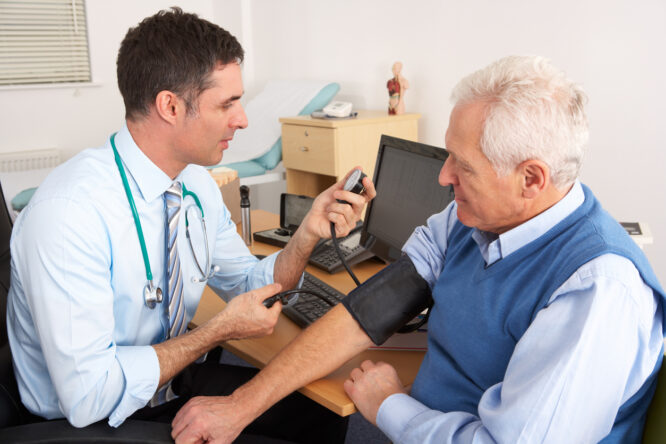
High blood pressure is linked to around half of all strokes, largely because it damages artery walls over time, making them more prone to rupturing or becoming blocked. It rarely causes noticeable symptoms, which is exactly why regular checks matter.
High cholesterol plays a similar role, gradually building up in blood vessels and forming blockages that restrict blood flow to the brain. The encouraging part is that even small improvements make a real difference. Research shows that for every small drop in blood pressure, stroke risk falls by around 30% in people aged 60 to 79, and similar reductions in bad cholesterol cut risk by roughly a fifth.
Diabetes and smoking both raise the stakes.

People with diabetes face roughly double the stroke risk of those without it, largely because high blood sugar damages blood vessels over time, increasing the likelihood of clots forming. Managing blood sugar levels carefully plays a large part in keeping that risk down.
Smoking carries a similarly serious impact, with smokers around three times more likely to have a stroke than non-smokers. It lowers oxygen levels in the blood, raises blood pressure, and can even trigger atrial fibrillation, stacking multiple risk factors on top of each other at once.
Carrying extra weight adds further strain.

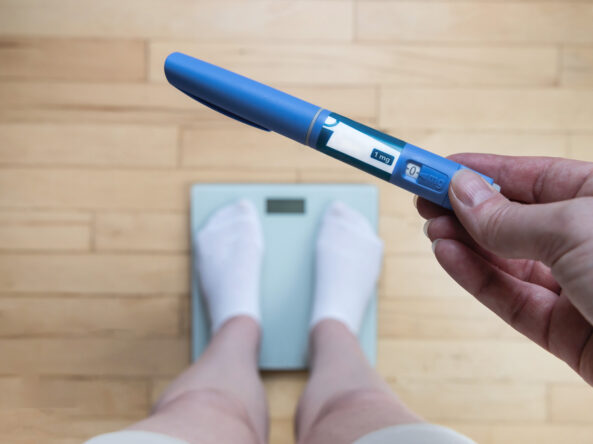
Excess weight raises stroke risk by pushing up cholesterol and blood pressure, while also increasing the likelihood of developing heart disease or type 2 diabetes. Interestingly, research suggests where you carry that weight matters too, with a larger waist circumference linked more strongly to stroke risk than overall body weight alone. That risk climbs further for people who are obese, making weight management one of several interconnected factors worth addressing together rather than in isolation.
Small changes to diet and exercise add up.

Regular exercise and a balanced diet remain some of the most effective tools for lowering stroke risk, largely because they improve blood pressure, cholesterol, and blood sugar levels all at once. Staying active also directly improves blood flow to the brain, helping prevent the kind of clots that can trigger a stroke.
Certain nutrients appear to help too, with higher vitamin C intake linked to reduced stroke risk in some studies. None of this requires a complete lifestyle overhaul overnight, small, consistent changes tend to add up meaningfully over time.
Alcohol and blood sugar both deserve attention.

Drinking too much alcohol raises stroke risk by contributing to high blood pressure, type 2 diabetes and atrial fibrillation, so cutting back where possible offers a real benefit. Moderation here matters just as much as it does with diet and exercise.
For anyone managing diabetes, keeping blood sugar levels steady is equally important for reducing stroke risk. Regular monitoring and working closely with a GP can help keep this particular risk factor under control.
Quitting smoking pays off surprisingly fast.

Stopping smoking dramatically lowers stroke risk, and that improvement begins almost immediately after quitting. Within five years of stopping, a person’s stroke risk can drop to roughly the same level as someone who’s never smoked at all.
It’s one of the most impactful changes available for reducing stroke risk, and support is widely available for anyone looking to take that step. Combined with regular health checks, particularly for anyone over 40, staying on top of these risk factors gives people a strong chance of lowering their overall risk over time.