Being a renter often feels like you’re on the back foot, especially with the way the market is at the minute.
Most of us are so relieved to actually find a decent place that isn’t falling down that we’re terrified to speak up about anything in case the landlord decides we’re more trouble than we’re worth. But the reality is that a tenancy isn’t a favour; it’s a business arrangement, and you’re the customer. There are plenty of things you’re entitled to that go way beyond just having a roof that doesn’t leak.
Whether it’s about the safety of your electrics, the state of the appliances, or even just your right to live your life without being pestered, there’s a whole list of standards your landlord is legally obliged to meet. Knowing exactly where the line is drawn means you can stop asking for things like a favour and start expecting them as part of the service you’re paying for. With that in mind, here are some of the most common things UK tenants can legally expect from their landlords.
A safe home that isn’t full of hazards

Landlords are legally responsible for ensuring a rental property is safe and free from serious health hazards. Councils use the Housing Health and Safety Rating System to check issues such as unsafe stairs, damp, fire risks, or structural problems. If inspectors find serious hazards, the landlord can be ordered to fix them. In simple terms, you’re not expected to just live with unsafe conditions. If your home has serious risks, you can demand action and involve the local council if the landlord refuses.
Working gas appliances and annual safety checks

If your home has gas appliances such as a boiler, cooker, or gas fire, your landlord must arrange an annual safety inspection carried out by a registered Gas Safe engineer. They must also give you a copy of the gas safety certificate. This isn’t optional or something they can delay. If the check isn’t done, the landlord is breaking the law.
A proper electrical safety inspection

Electrical systems in rental properties must be inspected regularly. Landlords are required to arrange an Electrical Installation Condition Report (EICR), typically every five years, to confirm the wiring and electrical installations are safe. Tenants are entitled to receive a copy of that report, and any problems found during the inspection must be repaired within a set timeframe.
An Energy Performance Certificate before you move in

Before renting out a property, landlords must provide an Energy Performance Certificate (EPC). This shows the property’s energy efficiency rating and gives tenants an idea of heating costs and energy usage. If you never received one when you moved in, you can ask for it, as it’s a legal requirement.
Smoke alarms and carbon monoxide detectors
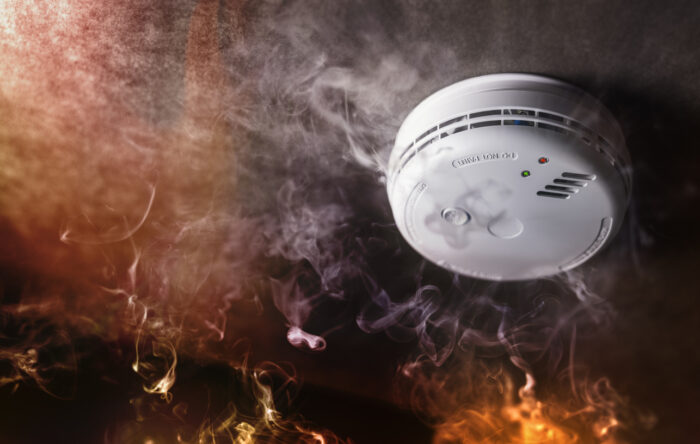
Landlords must install smoke alarms on every floor of a rental property and carbon monoxide detectors in rooms with solid fuel appliances. These alarms must be working at the start of the tenancy. If alarms are missing or faulty, tenants have the right to demand they are installed or repaired quickly.
Your deposit protected in a government scheme.

If you paid a deposit, the landlord must place it in a government-approved tenancy deposit scheme within 30 days. They must also provide information explaining where it’s protected. If they fail to do this, tenants can take legal action and potentially claim compensation worth up to three times the deposit amount.
Major repairs to the structure of the property

Landlords are responsible for maintaining the structure and exterior of the building. That includes things like the roof, walls, drains, windows, gutters, and external pipes. Tenants are not expected to pay for major structural repairs. If something serious breaks, it’s the landlord’s responsibility to fix it.
Fair rules around rent increases

Under current and upcoming rental reforms, landlords generally cannot increase rent whenever they want. In many cases, increases are limited and must follow a formal process, and tenants can challenge unfair rises through a tribunal. This means renters do have a route to dispute rent hikes that seem unreasonable.
Protection from sudden “no-fault” eviction

Major rental reforms are changing eviction rules. The Renters’ Rights Act removes so-called Section 21 “no-fault” evictions, so landlords must give a valid reason to end a tenancy, such as selling the property or tenant misconduct. This majorly strengthens security for renters compared with previous rules. No one should have to worry that their home might be taken from them overnight and for no reason.
A landlord who deals with serious issues like damp and mould
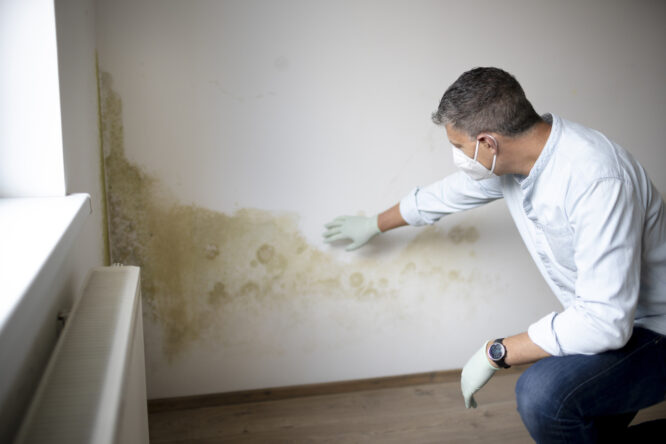
Growing pressure on landlords has led to stricter expectations around property conditions, particularly damp and mould. New housing standards aim to force landlords to investigate and repair these issues quickly. If serious mould or damp problems appear, tenants are increasingly encouraged to report them and demand proper repairs rather than simply living with them.
Clear paperwork about the tenancy
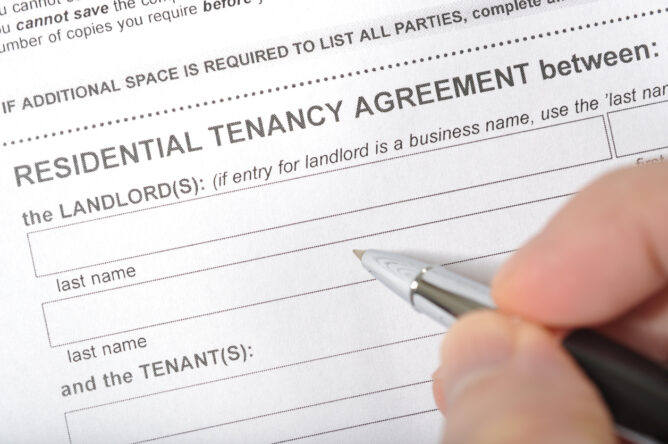
Tenants should receive important documents when moving in, including the tenancy agreement, safety certificates, and information about deposit protection. Landlords must keep records of these documents and supply them to tenants. If key paperwork is missing, you have every right to ask for it.
The right to challenge poor treatment

New rental reforms are introducing a national landlord database and an ombudsman system, so tenants can raise complaints about landlords who ignore responsibilities or provide poor service. This gives renters a formal path to resolve disputes without going straight to court.
The reality is that many tenants don’t realise how many protections already exist. UK housing law places huge responsibilities on landlords, especially around safety, repairs, and transparency. If you’re renting, knowing these rights can make a huge difference. In many cases, simply asking for what the law already requires is enough to improve your living conditions.