Going to the hairdressers feels like one of those simple, routine things, but there’s more going on behind the chair than most people realise.

Stylists are working to time, managing multiple clients, and trying to deliver results that actually suit each person’s hair. Small habits that seem harmless can make that job harder without anyone meaning to. As time goes on, hairdressers start to notice the same patterns again and again.
It’s rarely anything major that would make them want to stop seeing a client; chances are, it’s just a collection of little behaviours that build up across the day. None of them are a big deal on their own, but they do tend to get under a stylist’s skin when they happen repeatedly.
Moving your head while they’re trying to cut
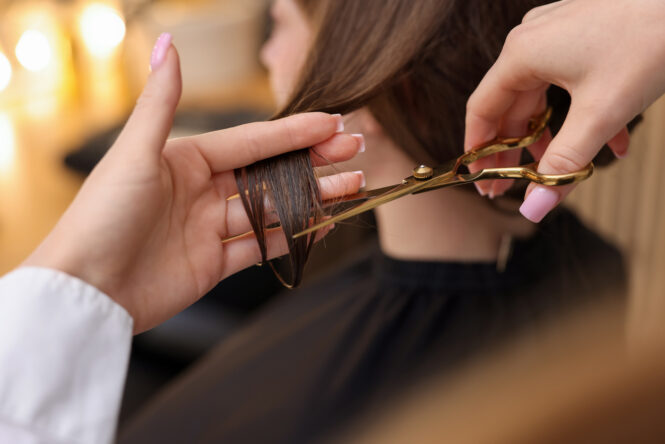
Cutting hair takes a steady hand and a clear line of sight, so even small movements can throw things off. Turning to chat, glancing down at your phone, or changing position means the stylist has to keep stopping and adjusting what they’re doing. It might feel natural on your end, but it interrupts the rhythm they rely on.
Over the course of a full day, those constant micro-adjustments add up. It slows things down, breaks concentration, and can even affect the finish if they’re working around movement instead of a steady position. Most stylists won’t make a big deal of it, but it’s one of the first things they notice.
Turning up late and expecting everything to run as normal
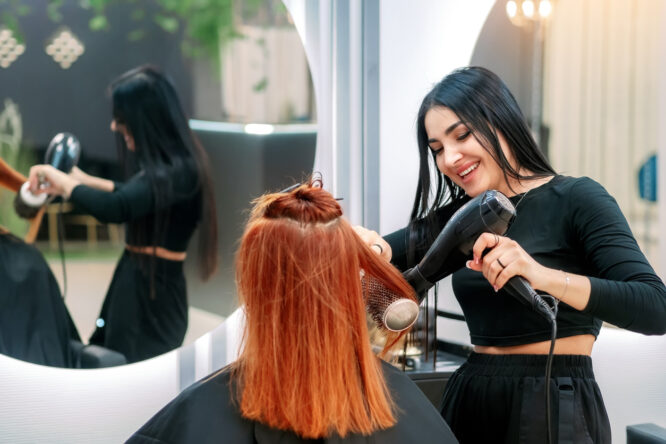
Salons usually run on tight schedules, with appointments stacked closely together. When someone arrives late, even by a few minutes, it eats into the time set aside for that slot. That leaves the stylist having to either rush slightly or push everything else back.
The knock-on effect can last for hours, especially on busy days. While most stylists will still try to give you a good result, it adds pressure behind the scenes that clients don’t always see. It’s less about the lateness itself and more about the ripple it creates.
Booking one thing and asking for something completely different

Booking a simple trim and then asking for a full colour or major restyle once you’re in the chair can throw off the entire plan for the day. Different services require different tools, timing, and preparation, and they can’t always be swapped in on the spot.
Stylists organise their schedule carefully, so unexpected changes can leave them trying to squeeze in work they don’t really have time for. It puts them in a tricky position where they either have to say no or risk running behind for everyone else.
Expecting your hair to look exactly like a photo
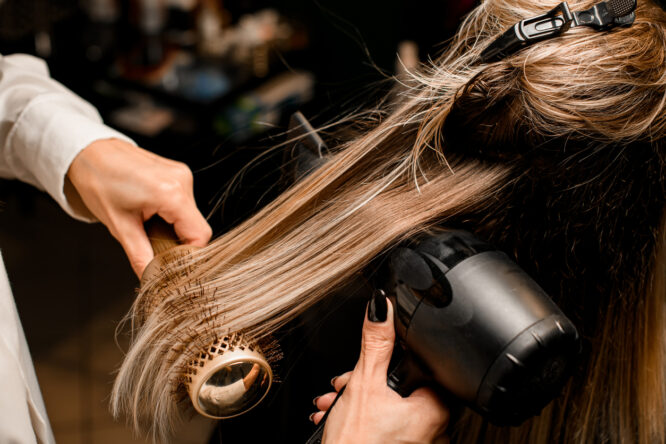
Inspiration pictures are useful, but expecting an exact copy can set things up for disappointment. Hair type, thickness, colour history, and even face shape all play a role in how a style turns out, so the same cut can look very different from one person to another.
Stylists can work towards a similar feel or shape, but they’re adapting the idea to suit your hair. When someone expects a perfect match, it can create a gap between what’s realistic and what’s being imagined.
Not being honest about what you’ve done to your hair
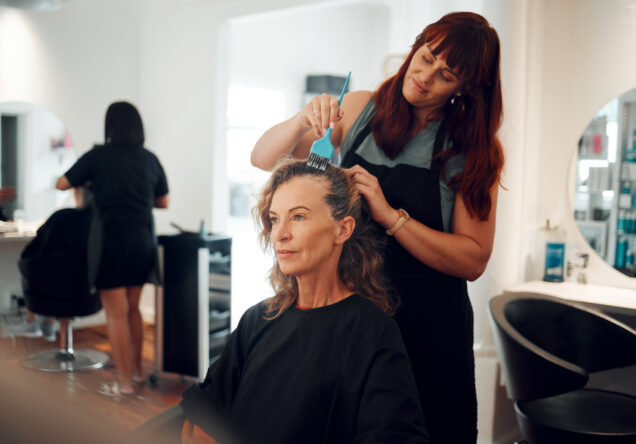
Previous treatments like box dye, bleaching, or chemical processes have a big impact on how hair reacts. Leaving that out, even unintentionally, means the stylist is working without key information. This can lead to uneven colour, damage, or results that don’t go as planned. Hairdressers rely on honesty here because it directly affects how they approach the job, and guessing rarely ends well.
Constantly looking at your phone during the appointment

Scrolling or texting might feel harmless, but it usually comes with small movements that affect the stylist’s work. Even a slight tilt of the head can change how a section of hair sits while it’s being cut. It also breaks the flow of the appointment. Stylists work best when they can stay focused, so repeated distractions can make the whole process take longer than it needs to.
Being vague about what you actually want
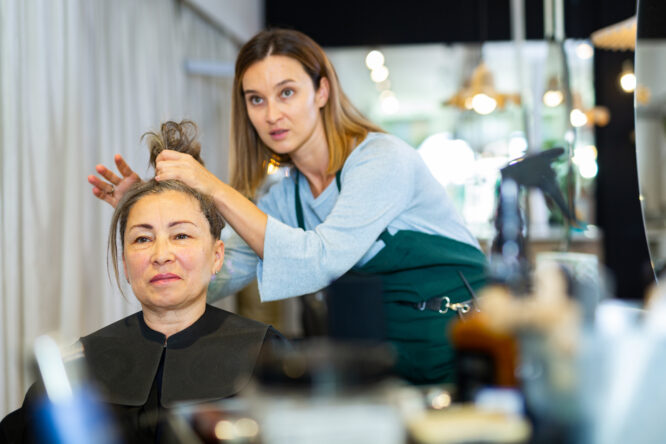
Saying things like just do what you think, or I’m not sure might sound relaxed, but it leaves the stylist having to guess your expectations. That can be difficult, especially if you have a specific idea in mind but haven’t said it clearly. Even a rough direction helps more than total openness. It gives the stylist something to work from and reduces the risk of you leaving with something that doesn’t feel right.
Ignoring advice and then being unhappy with the result

Hairdressers usually explain what will and won’t work based on your hair type and condition. When that advice is pushed aside, the result can end up exactly as they warned. It can be frustrating from their side because they’re trying to avoid that outcome. They’re not being difficult, they’re drawing on experience to steer things in a direction that will actually work.
Expecting major colour changes in one session
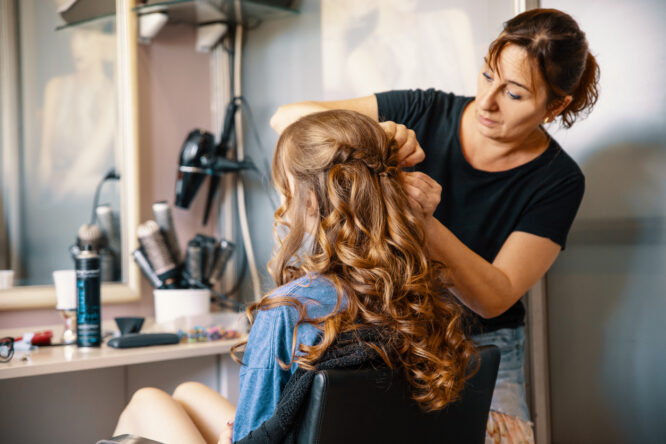
Big colour transformations, especially from dark to light, take time and careful steps. Trying to achieve everything in one go can put the condition of your hair at risk. Stylists often suggest spreading the process out over multiple appointments. It’s not about holding back, it’s about getting to the end result without damaging your hair along the way.
Turning up when you’re clearly unwell

Coming to an appointment while ill affects more than just you. Stylists work closely with clients all day, so it increases the risk of them picking up whatever you have. If that happens, it can mean cancelled appointments and lost income for them. Most would rather reschedule than take that risk, which is why this one stands out more than people expect.
Talking badly about every previous hairdresser

If someone says no stylist has ever got their hair right, it can come across as a warning sign. It suggests the issue might not just be about technique. Hairdressers notice this and tend to approach the appointment more cautiously. They’ll still aim to do a good job, but it can change how confident they feel about meeting expectations.
Spreading your belongings across their workspace

Placing bags, drinks, or personal items all over the station can get in the way of tools and products. Stylists rely on having that space clear and organised. It might seem minor in the moment, but when it happens repeatedly throughout the day, it becomes something they have to keep working around.
Underestimating how long things take

Some services, especially colour work or big restyles, take several hours to complete properly. Expecting everything to be quick adds unnecessary pressure. Hairdressing isn’t just about the end result, it’s about the process. Rushing through that process usually leads to a finish that doesn’t last or doesn’t look quite right.
Staying silent during the appointment, then complaining later

If something feels off while you’re in the chair, most stylists would rather you say something straight away. Small tweaks are easy to fix in the moment. Finding out after the appointment that you weren’t happy can feel frustrating for them. They would usually have been more than willing to adjust things if they’d known.
Expecting the look without the upkeep

Some styles rely on daily styling, specific products, or regular maintenance to look the way they do in the salon. Without that effort at home, the result won’t hold in the same way. When the look fades, it can feel like the haircut didn’t work, even when it did exactly what it was meant to. Stylists often try to explain this, but it’s easy to overlook in the moment.