Children’s needs are actually much simpler than most parents think.

They don’t need expensive gadgets, name-brand clothes, and permission to do whatever they want without repercussions to be happy, healthy, and well-adjusted. In fact, what they really want most from their mums and dads has very little to do with material things or perfect parenting. Here’s what they really desire from their parents.
1. They want your actual attention, not distracted presence.

Kids can tell the difference between you being physically there while scrolling your phone and actually paying attention to what they’re saying or doing. They’d rather have ten minutes of your full focus than an hour of you being present but mentally elsewhere.
Put your phone down when they’re talking to you, make eye contact, and show genuine interest in their stories about school, friends, or whatever random thing they’re excited about. The moments when you’re truly present with them are what they remember and treasure most.
2. They want to feel heard and understood.

When children share their problems, fears, or excitement, they’re not necessarily looking for solutions or advice, but simply want someone to listen and understand how they’re feeling. Being heard makes them feel valued and important in a way that nothing else can replicate.
Listen to what they’re actually saying rather than immediately jumping in with fixes or lessons, and reflect back what you’ve heard to show you understand. Sometimes just saying “that sounds really frustrating” or “you seem excited about this” is exactly what they need to feel connected to you.
3. They want consistency and predictability from you.

Children feel safe when they know what to expect from their parents, whether that’s consistent rules, reliable routines, or predictable responses to their behaviour. They don’t need perfection, but they do need to feel like they can count on you to be stable and consistent.
Establish routines and rules that you can actually stick to, and when you need to change something, explain why rather than just switching things up randomly. Kids thrive when they feel secure about what’s expected and what they can expect in return.
4. They want you to believe in their abilities.

Children desperately want their parents to have confidence in their capabilities and potential, even when they’re struggling or making mistakes. Your belief in them often becomes their belief in themselves, and this confidence forms the foundation of their self-esteem.
Encourage their efforts and progress rather than just focusing on outcomes, and remind them of times they’ve overcome challenges or learned difficult skills. When you show faith in their ability to figure things out, they start believing they actually can.
5. They want to see your genuine emotions.

Kids want to know that their parents are real humans with feelings, not perfect robots who never struggle or feel sad. Seeing you express genuine emotions appropriately helps them understand that having feelings is normal and healthy.
Share your emotions in age-appropriate ways and let them see you being human, whether that’s admitting when you’re tired, showing excitement about something you love, or acknowledging when you’re disappointed. That emotional honesty helps them feel closer to you and more secure about their own feelings.
6. They want to feel useful and capable.
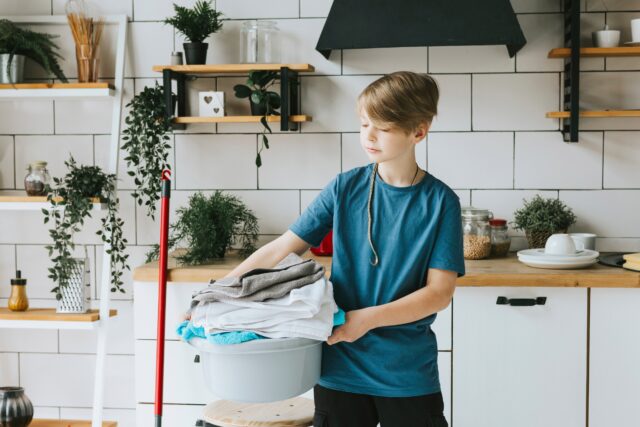
Children have a deep need to contribute and feel like they matter to their family, and they want responsibilities that show you trust them to handle important tasks. Being useful gives them a sense of purpose and belonging that nothing else can provide.
Give them real jobs that actually help the family function, not just busy work, and thank them for their contributions. Whether it’s feeding pets, helping with dinner, or taking care of younger siblings, they want to feel like they’re genuinely needed and valued.
7. They want you to enjoy spending time with them.

Kids can sense when their parents are going through the motions versus genuinely enjoying their company, and they want to feel like being with them is something you actually want to do rather than just another parental duty on your list.
Find activities you both genuinely enjoy rather than forcing yourself through things you hate, and let your natural enjoyment show when you’re together. Your genuine pleasure in their company is one of the greatest gifts you can give them.
8. They want fairness, not just obedience.

Children have a strong sense of justice and want to feel like family rules and consequences make sense and apply fairly to everyone. They’re more likely to cooperate when they understand the reasoning behind expectations rather than just being told to obey.
Explain the thinking behind your rules and consequences, and be willing to adjust when they make valid points about fairness. Kids respect parents who treat them justly and are open to feedback, rather than those who just demand blind obedience.
9. They want to know you’re proud of who they are.

Beyond being proud of their achievements, children want to feel like their parents genuinely like and appreciate them as individuals, with their unique personality, interests, and quirks. They want to know that you see and value who they really are, not just what they accomplish.
Tell them specifically what you love about their character, sense of humour, creativity, or kindness, and show interest in the things that matter to them even if they’re not your cup of tea. Your appreciation of their individual personality helps them develop a strong sense of self.
10. They want you to keep your promises.

When you tell children you’ll do something, they hold onto that promise and feel genuinely hurt when it doesn’t happen, even if you’ve forgotten or circumstances changed. Your word carries enormous weight with them, and keeping promises shows them they can trust you.
Only make promises you can realistically keep, and if something prevents you from following through, acknowledge it and explain what happened. When you consistently keep your word, they learn they can rely on you and trust what you say.
11. They want to see you take care of yourself.

Children worry about their parents more than most adults realise, and they want to see that you’re looking after your own health, happiness, and wellbeing. When you neglect yourself, they often feel guilty or responsible for your struggles.
Model healthy self-care by eating well, getting enough sleep, pursuing your own interests, and maintaining friendships. Showing them that adults can take care of themselves while also caring for other people teaches them important life skills and reduces their anxiety about your wellbeing.
12. They want physical affection and closeness.

Most children crave physical connection with their parents through hugs, cuddles, sitting close together, or playful physical interaction that makes them feel loved and secure. Physical affection communicates love in a way that words alone can’t match.
Offer hugs, snuggles, or physical play regularly and pay attention to how your individual child likes to give and receive physical affection. Some kids want constant cuddles while others prefer high-fives or gentle touches, but most want some form of loving physical connection.
13. They want you to apologise when you mess up.

Children want to see that their parents can admit mistakes and say sorry when they’ve done something wrong, just like kids are expected to do. Your willingness to apologise shows them that everyone makes mistakes and that taking responsibility is the right thing to do.
Apologise sincerely when you’ve lost your temper unfairly, broken a promise, or hurt their feelings, and explain what you’ll try to do differently next time. Your apologies teach them how to handle their own mistakes and show them that you value your relationship with them.
14. They want to know they’re unconditionally loved.

Above everything else, children want to feel completely secure in their parents’ love, knowing that nothing they do or don’t do will change how much they’re loved and wanted. Unconditional love provides the foundation for everything else in their emotional development.
Tell them regularly that you love them no matter what, and make sure your love isn’t conditional on their behaviour, achievements, or meeting your expectations. When they know they’re loved just for being themselves, they have the security to grow, make mistakes, and become their authentic selves.