Finding clumps of hair in the shower or watching your parting widen a little more each year is one of the more unsettling things life throws at you.

The good news is that for most of us, a bit of hair loss is completely normal and absolutely nothing to worry about. The not-so-good news is that there are a fair few causes worth knowing about, especially if your hair is suddenly thinning faster than it should. There are several things that could be going on—here are a few of them, and what you can actually do about it.
How much hair loss is actually normal
Before panicking, it helps to know what’s considered standard. Most of us lose somewhere between 50 and 100 hairs every single day, which sounds intense, but is just hair going through its natural cycle. Each strand grows for a few years, rests for a few weeks, then falls out to make space for a new one.
So if you spot a few strands on your pillow, on the back of the sofa or in your hairbrush, that’s just everyday wear and tear. It only becomes worth paying attention to when the loss feels heavier than usual, when you start to see your scalp where you didn’t before, or when your ponytail noticeably shrinks. At that point, something more than the usual cycle is probably going on.
Stress-related shedding
One of the most common causes of sudden hair loss is something called telogen effluvium, which is a temporary shedding spike that tends to follow a stressful event. Childbirth, major surgery, a serious illness, a viral infection or even a particularly rough emotional patch can all trigger it.
You usually won’t notice for a couple of months after the event, by which point you might suddenly be losing handfuls of hair every time you wash it. The good news is that this kind of shedding nearly always settles down on its own within six to nine months, and the hair grows back.
Hereditary pattern hair loss
The other big one is hereditary hair loss, often called pattern hair loss or androgenetic alopecia. This is the most common cause overall, and it can affect both women and men.
It tends to creep in slowly over the years, with women usually noticing a widening parting or thinning at the front behind the fringe, rather than the receding hairline more typical in men. If your parents or grandparents had thinning hair, you’re more likely to follow the same pattern. It can start as early as your twenties, but tends to become more noticeable in your 30s, 40s, and beyond.
Alopecia areata and autoimmune causes

Alopecia areata is a less common cause but worth knowing about. It’s an autoimmune condition, meaning the body’s immune system mistakenly attacks the hair follicles.
It usually shows up as small, smooth, round bald patches on the scalp, eyebrows or other parts of the body, sometimes with a tingling or tenderness in the area before the patch appears. Why it happens isn’t fully understood, but stress and illness can sometimes trigger it. In milder cases, the hair often grows back on its own, but more severe cases benefit from medical treatment.
Tight hairstyles and traction alopecia

Plenty of hair loss has nothing to do with disease and everything to do with how we treat our hair. Traction alopecia happens when hair is pulled too tightly for too long, often from braids, weaves, dreadlocks, tight buns or ponytails. The constant pull damages the follicles, sometimes permanently if it carries on long enough.
It tends to show up along the hairline first, with small bumps, scaling, and a bit of tenderness. Loosening up the hairstyle early can let the hair grow back, but years of tension can lead to follicles that genuinely give up. Anyone who wears their hair pulled back day after day, including military personnel and ballet dancers, can be affected.
Heat and chemical damage
Then there’s plain old over-styling. Too much heat from straighteners and blow dryers, harsh chemical treatments like bleach and keratin, and aggressive brushing of wet hair all weaken the strands and cause them to break.
The fall-out you see in this case is breakage rather than shedding, and the broken ends won’t have the little white bulb you’d see on naturally shed hair. Reining things in and going gentler on your hair can sort this out in a few months, no medication needed.
Thyroid problems and iron deficiency

Sometimes hair thinning is a clue that something else is going on inside the body. Thyroid problems are one of the most common, particularly in women over fifty. Both an underactive thyroid and an overactive one can cause hair to thin, along with other symptoms like fatigue, weight changes and skin or nail problems. A simple blood test can pick it up, and treatment usually brings everything back into balance.
Iron deficiency is another big one, especially in women with heavy periods or anyone on a low-meat diet who isn’t getting enough iron from plants. Other signs include tiredness, pale skin, headaches, cold hands and feet, and feeling out of breath after small bits of effort. A blood test will pick it up, and iron supplements usually sort things out quickly.
Hormonal and autoimmune conditions
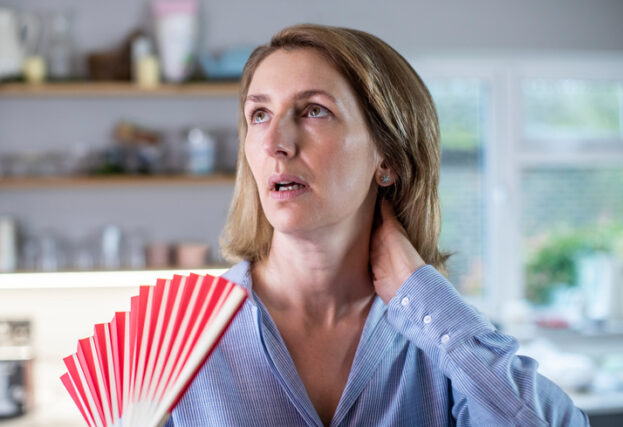
Polycystic ovary syndrome, or PCOS, affects roughly one in ten women and can cause thinning hair on the scalp alongside extra hair growth elsewhere on the body. It also tends to come with irregular periods, acne, and difficulty managing weight.
Lupus, an autoimmune condition that affects mainly women, can cause hair loss too, often along with extreme fatigue, joint pain and a butterfly-shaped rash on the face. Even a vitamin D deficiency, which is properly common in the UK, has been linked with hair shedding and certain types of alopecia. The pattern is the same in all of these, hair loss can be a red flag that something else needs investigating.
Medications that can cause shedding

A surprising number of medications list hair loss as a side effect. Some cholesterol drugs, blood pressure tablets, antidepressants, anti-seizure medication, blood thinners and acne treatments can all contribute.
If you’ve noticed your hair thinning two or three months after starting something new, it’s worth speaking to your doctor about alternatives. You should never stop a prescribed medication on your own, but there’s often a different option that doesn’t carry the same side effect.
Menopause and hormonal change
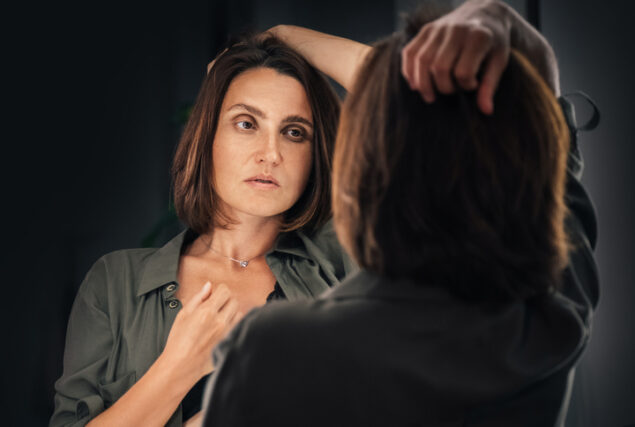
Menopause is another big one, and it catches plenty of women off guard. As oestrogen and progesterone levels drop, the protection these hormones offered the hair follicles starts to fade. Hair growth slows, strands become finer, and the overall volume drops.
It’s not happening because you’re doing anything wrong, it’s just the way the body changes during this phase of life. Lots of women find treatments and lifestyle tweaks help, and a chat with your GP about HRT, supplements or topical treatments is well worth having if it’s bothering you.
Weight loss and chemotherapy

Big weight loss can also kick off significant hair shedding, especially if it happens fast. Crash diets and very low-calorie plans starve the body of the protein and nutrients it needs, and hair growth is one of the first things to suffer.
Chemotherapy is the most dramatic trigger of all, since the drugs target rapidly growing cells like cancer but also affect hair follicles in the process. Hair generally grows back once treatment ends, though it can come back a different texture or colour to start with.
When to see your GP or a dermatologist

If your hair has started thinning, and you’re not sure why, the most useful first step is to see your GP or a dermatologist. They can examine your scalp, ask about your medical history and run blood tests to check for the most common causes like thyroid problems, iron deficiency and vitamin D levels.
From there, you’ll have a much clearer picture of what’s going on and what kind of treatment might help. Getting a proper diagnosis early on makes a real difference, since some causes of hair loss respond brilliantly to early treatment but become harder to reverse if left for years.
Treatments worth knowing about

For pattern hair loss, the most well-known treatment is minoxidil, often sold as Regaine in the UK. It’s the only over-the-counter option proven to slow hair loss and encourage some regrowth, and it comes as a liquid or foam you apply to the scalp. It tends to take three to six months to see results, and you have to keep using it for the effects to stick around.
For more advanced cases, prescription treatments like finasteride can help, though it isn’t suitable for women who could become pregnant. Newer options include platelet-rich plasma injections, low-level laser therapy and hair transplants for the pattern variety. For autoimmune conditions like alopecia areata, steroid treatments can sometimes help reduce the inflammation attacking the follicles.
Day-to-day things that genuinely help

Beyond medical treatments, there’s plenty you can do day to day. Eat a balanced diet with enough protein, iron, vitamin D and B vitamins. Be kind to your hair, with looser hairstyles, less heat and gentler brushing. Tackle stress where you can, since chronic stress is a sneaky contributor to shedding.
A multivitamin with biotin, zinc, and copper can be useful, though it’s worth checking with your doctor first to make sure it doesn’t clash with anything else you’re taking. And if the hair loss is genuinely upsetting you, don’t keep it to yourself. Hair is wrapped up in identity for plenty of people, and it’s a perfectly valid thing to need support with. A combination of medical advice, sensible care and a bit of patience usually goes a long way.