Public transport has always had its own strange social rules.
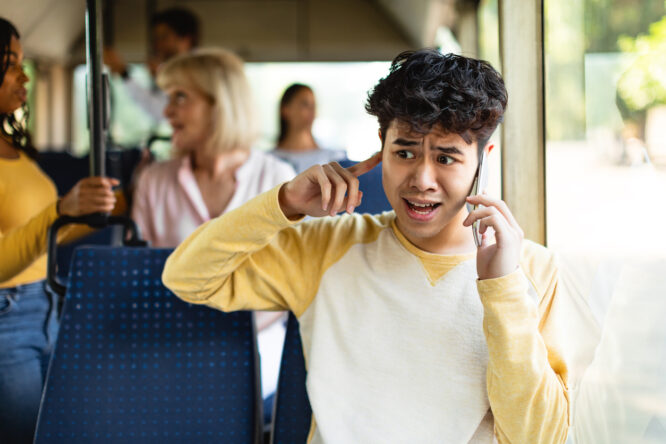
Nobody officially explains them to you, yet somehow everyone knows exactly when somebody has crossed the line. One loud phone call, one blasting speaker, or one badly timed tuna sandwich can suddenly turn an entire carriage against you within seconds. To be fair, most people aren’t expecting luxury on buses or trains. They just want a reasonably peaceful journey without somebody else making the experience unbearable.
Playing music out loud is still one of the fastest ways to annoy everyone.
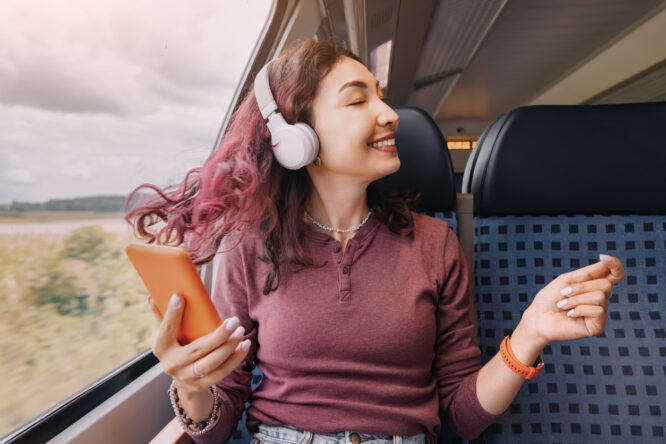
This is probably the biggest public transport complaint people consistently agree on. Most passengers don’t want to listen to somebody else’s TikToks, playlists, FaceTime calls, or videos echoing around a packed carriage after work. Even if the music itself is good, the issue is more about forcing everybody else to listen to it too.
That’s why headphones have basically become one of the unwritten rules of modern travel etiquette. People expect shared spaces to stay relatively quiet, especially during long commutes or busy rush-hour journeys.
Loud phone calls can feel surprisingly intrusive in confined spaces.
A quick phone call is obviously sometimes unavoidable, but long, booming conversations on crowded trains tend to irritate people much faster than many realise. Part of the problem is that passengers can’t really escape the conversation. Everyone nearby becomes trapped listening to details about somebody’s relationship drama, work problems, shopping list, or medical issues whether they want to or not.
Experts say if a call genuinely can’t wait, keeping your voice low and ending the conversation quickly makes a huge difference.
Strong-smelling food instantly changes the atmosphere of a carriage.

Most people have experienced that moment when somebody opens particularly pungent food on public transport and the entire space suddenly smells different. Fish, egg-heavy meals, hot takeaway food, and especially anything very greasy or overpowering tend to trigger the strongest reactions from other passengers.
The issue is not really eating itself. Long journeys obviously make people hungry. It’s more that enclosed train carriages and buses leave nowhere for anyone else to escape strong smells once they spread through the space.
Rush hour changes what people tolerate.
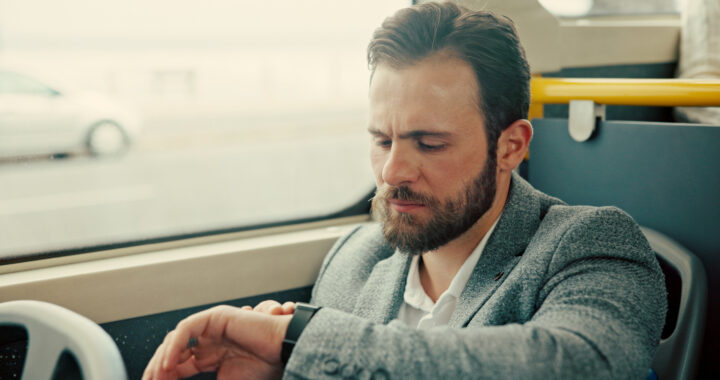
Public transport etiquette becomes much stricter once trains and buses get crowded. Things people might ignore during a quiet midday journey suddenly become deeply irritating during packed commuter periods when everybody is tired, stressed, overheated, and desperate for personal space.
Backpacks blocking aisles, bags taking up seats, standing near doors without moving, or refusing to shuffle down inside the carriage can quickly frustrate large groups of people during busy periods.
People notice more than travellers think.
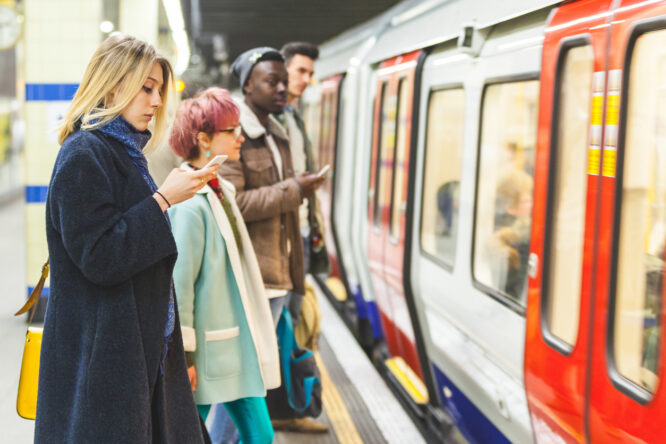
One interesting thing about public transport is how hyper-aware passengers become of everyone around them. Even small behaviours like clipping nails, applying strong perfume, coughing openly, eating noisily, or watching videos without headphones tend to attract attention very quickly in enclosed spaces.
Most people will never directly confront somebody behaving badly. However, that doesn’t mean they’re not silently judging the situation the entire journey.
Dress codes on public transport still divide opinion.
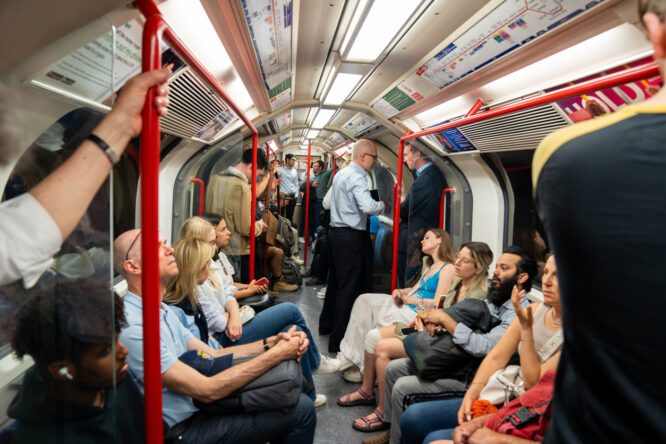
Some etiquette experts argue passengers should still maintain basic standards of dress when travelling publicly. That includes avoiding pyjamas, onesies, or removing clothing during hot weather, even on uncomfortable summer journeys.
Not everyone agrees with that advice, obviously, but the broader point is that shared public spaces still come with certain social expectations, even if those expectations have become much more relaxed over time.
Children often get judged differently than adults.
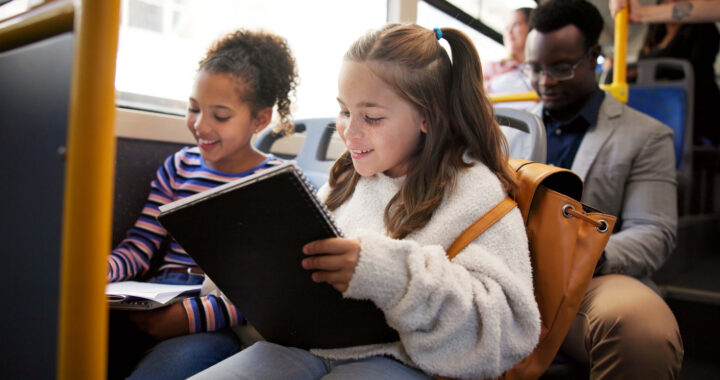
Most passengers are generally more forgiving towards crying babies or restless young children because people understand parents cannot fully control every situation. Adults behaving badly, though, tend to receive far less patience. Loud groups, drunken behaviour, aggressive conversations, or disruptive phone use often create strong reactions during public transport journeys because they’re rude and inconsiderate.
People usually accept unavoidable disruption much more easily than behaviour that feels selfish or rude.
There is also a huge difference between confidence and entitlement.
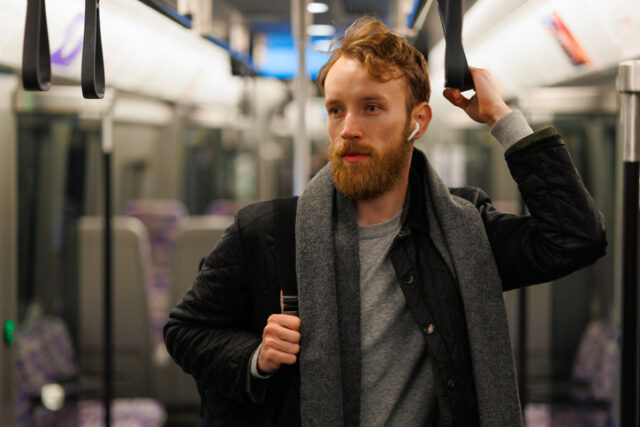
A lot of transport etiquette really comes down to basic awareness of the people around you. Most people don’t mind somebody taking up temporary space while sorting luggage, travelling with children, or handling difficult journeys. Problems usually start when somebody acts as though the entire carriage revolves around them. That feeling of entitlement tends to irritate people far more than the actual behaviour itself.
Phone etiquette has become one of the biggest modern issues.

Years ago, most public transport complaints centred around newspapers, feet on seats, smoking, or loud groups. Now, smartphones have completely changed the experience, and not in a good way.
Passengers are constantly putting up with video calls, speakerphone conversations, voice notes, scrolling noises, mobile games, and social media clips playing out loud in enclosed spaces. That’s probably why headphones now feel less like an optional accessory and more like basic transport manners.
Most people really just want small acts of awareness.
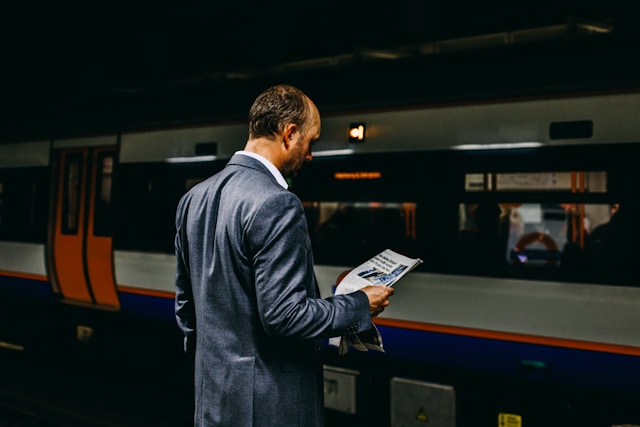
Public transport etiquette doesn’t require being overly formal or super polite all the time. It’s mostly about recognising that hundreds of strangers are temporarily sharing the same cramped environment together, often while tired, stressed, or trying to get somewhere important. It doesn’t take much effort to be considerate, and it’s well worth doing.