If you’re headed to Scotland’s beautiful capital in the near future, you’ll want to listen up.
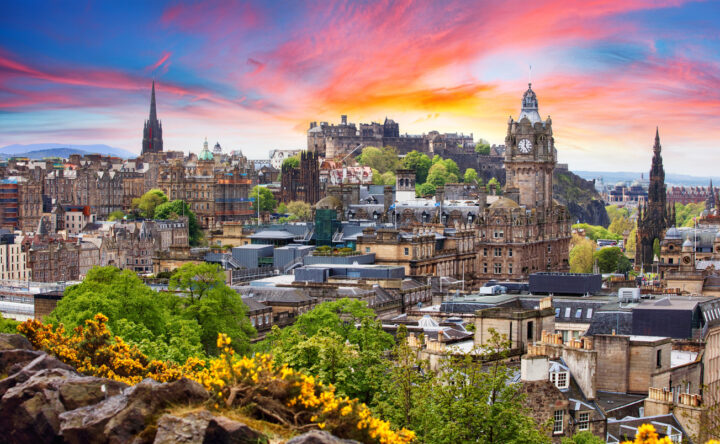
Edinburgh has become the first city in the UK to introduce a comprehensive, council enacted visitor levy, adding a 5% charge onto overnight accommodation from Friday 24 July. The move comes roughly 18 months after the council first confirmed plans for the tax, and it’s set to raise considerable funding for the city going forward. Here’s exactly how the new levy works, and what it could mean for anyone visiting Edinburgh.
The levy applies to a wide range of accommodation types.

The 5% charge covers overnight stays across hotels, hostels, guest houses, B&Bs, short-term lets, and caravan or campsites operating within the City of Edinburgh Council’s remit. It applies for a maximum of five consecutive nights, meaning longer stays won’t accumulate charges beyond that point.
Accommodation providers occupied by a charity for charitable overnight stays can apply for a discretionary exemption from the scheme. Bookings paid for, either in part or in full, before 1 October 2025 remain exempt from the levy entirely, regardless of when the actual stay takes place.
Accommodation providers carry real responsibility for compliance.

Businesses collecting the levy are required to keep accurate records of every transaction subject to the charge. The council has confirmed it will carry out inspections to check that accommodation providers across the city are properly complying with the scheme.
Such a high level of record keeping and oversight suggests Edinburgh intends to treat the levy as an enforced policy rather than a loosely monitored charge, giving both providers and visitors clarity on how seriously it’s being taken.
The council plans to review how well the scheme is working.
City of Edinburgh Council has committed to reviewing the visitor levy scheme every three years, assessing whether it’s achieving its stated goal of developing and sustaining facilities and services used by visitors staying overnight for leisure or business purposes. Having a built-in review process gives the council a formal opportunity to adjust or refine the scheme over time, rather than leaving it unchanged indefinitely regardless of how effectively it’s actually working in practice.
The council leader says the levy could raise tens of millions.

Council leader Jane Meagher said the levy is expected to generate up to £50 million a year by 2029, funding that she says will help support the very things that make Edinburgh such an exceptional place to visit in the first place.
She described the introduction of the levy as an exciting new chapter for the city, arguing that a cleaner, greener, safer and better maintained Edinburgh will benefit visitors and residents alike throughout the entire year, not just during peak tourist season.
Not everyone in the hospitality industry has welcomed the change.

When the levy was first confirmed back in January 2025, Leon Thompson, executive director of UKHospitality Scotland, raised concerns that the charge could hit Edinburgh’s competitiveness as a leading tourist destination. This concern reflects a broader tension within the hospitality industry around how visitor levies might affect overall demand.
Balancing the funding benefits a levy like this can bring against potential impacts on tourism numbers remains an ongoing point of debate, one the council’s planned three-year reviews may help clarify over time as real data comes in.
Edinburgh isn’t the only UK city introducing a visitor charge.

Manchester became the first UK city to introduce any form of overnight visitor charge back in 2023, adding a £1 fee on stays in city centre hotels and holiday flats through a specially created Accommodation Business Improvement District.
Cardiff Council is also set to introduce its own visitor levy from 1 April 2027, with pricing ranging from 75p per night for camping pitches and hostels, up to £1.30 per night for all other types of accommodation. Edinburgh’s scheme stands apart though, as the first comprehensive, council enacted version introduced anywhere in the UK.
The issue is now attracting attention at a national level.
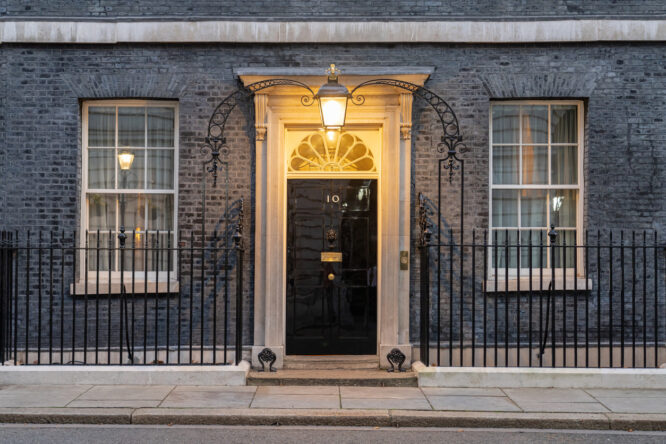
In May, the All Party Parliamentary Group for Hospitality and Tourism launched a formal inquiry into the government’s proposed visitor levy, following confirmation in the King’s Speech that a holiday tax bill would be included in upcoming legislation.
This growing national interest suggests Edinburgh’s levy may well become a test case, one that other UK cities and the wider government watch closely when deciding whether similar schemes should be introduced more broadly across the country.