Organic labels on fruit and veg promise a cleaner diet, but they charge an absolute premium for the privilege.

When you’re watching your budget, it’s incredibly frustrating to fork out double the price for a punnet of strawberries just because they’ve been grown differently. But while splashing the extra cash on every single apple and potato will completely hollow out your wallet, shopping completely non-organic isn’t always the best move either.
The trick is knowing that certain crops are absolute magnets for pesticides due to their thin skins, while others have thick, natural armour that keeps the chemicals well away from the bit you actually eat. Figuring out exactly where to draw the line is the easiest way to protect your health without burning a hole in your pocket.
The type of produce matters.

Not all fruit and veg are exposed to the same level of pesticides during growing. Some crops, particularly those with soft skin or large surface areas, soak up far more chemicals than others with thick peels or natural protection. Each year, the Environmental Working Group publishes two famous lists: the Dirty Dozen, which flags the produce with the highest pesticide residues, and the Clean 15, which lists the produce that’s safe to buy conventional.
For 2026, the lists are based on testing data from over 54,000 samples of 47 different fruits and vegetables. Around 75% of conventional produce samples contained pesticide residues, and 96% of Dirty Dozen samples tested positive. By contrast, almost 60% of Clean Fifteen samples had no detectable pesticide residues at all, which makes the choice on these items genuinely straightforward.
The 2026 Dirty Dozen
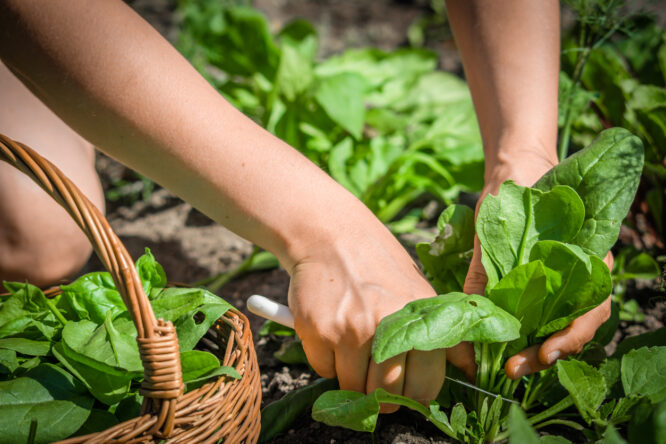
These are the fruits and vegetables that consistently showed the highest pesticide contamination, even after being washed or peeled. If your budget allows, these are the ones to prioritise buying organic.
Spinach tops the list this year, followed by kale, collard, and mustard greens. Strawberries, grapes, and nectarines come next, with blackberries newly tested showing more than four pesticides per sample on average. The full list also includes peaches, pears, apples, blueberries, cherries, and potatoes. Around 90% of potatoes contained chlorpropham, a sprout inhibitor that’s actually banned in the European Union due to health concerns.
Why these are the worst offenders
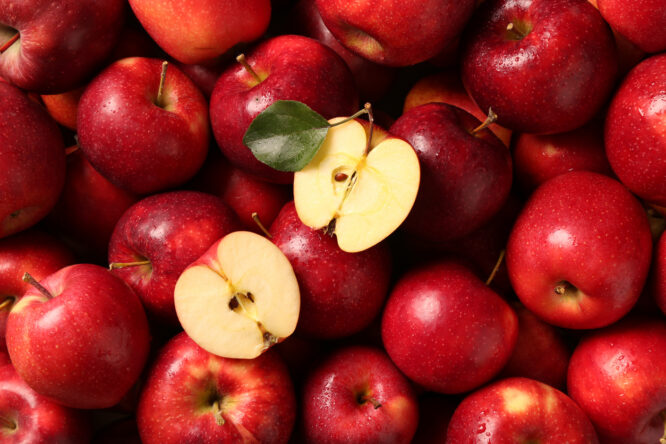
The common thread running through the Dirty Dozen is that most of these foods have thin or edible skins, which means pesticides applied to the plant end up directly on the part you eat. Leafy greens like spinach and kale absorb chemicals through their large surface area. Berries and stone fruits have delicate skins that don’t peel away. Apples and pears get sprayed repeatedly during the growing season.
Washing helps, but it doesn’t remove all pesticide residues, particularly those absorbed into the plant itself. For these items, organic is genuinely the safer choice if you can manage it. Frozen organic versions of berries and greens are often much cheaper than fresh and just as nutritious, which is worth keeping in mind when budgets are tight.
The 2026 Clean 15
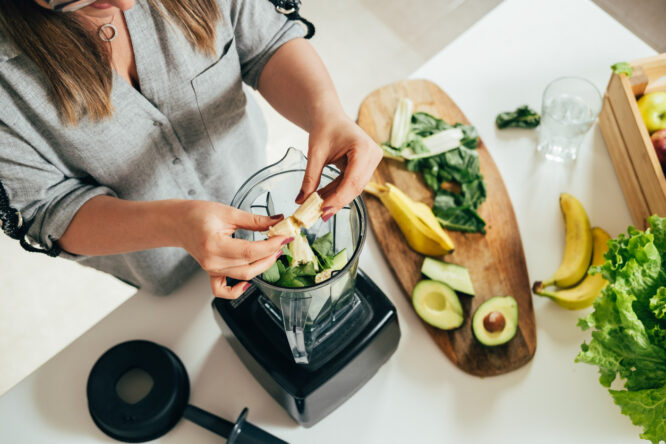
This is where you can happily save money. The Clean Fifteen list highlights the produce items that have the lowest pesticide residues, even when grown conventionally. These are the foods where buying organic offers minimal extra benefit.
The list includes avocados, sweetcorn, pineapple, onions, papaya, sweet peas (frozen), asparagus, honeydew melon, kiwi, cabbage, watermelon, mushrooms, mangoes, sweet potatoes and carrots. Avocados are particularly impressive, with nearly 98% of samples showing no detectable pesticides thanks to their thick, inedible skin protecting the flesh inside.
Why these are safer choices

Most items on the Clean Fifteen have thick skins, husks, or rinds that act as a natural barrier against pesticides. Avocados, pineapples, melons and mangoes all have peels that get binned, taking any residues with them. Onions and cabbages develop tightly packed outer layers that you peel away before eating. Mushrooms and asparagus are grown in ways that simply require fewer chemicals in the first place.
Sweetcorn, papaya and summer squash are sometimes produced from genetically modified seedstock, so if avoiding GMOs matters to you, look for organic or Non-GMO Project Verified labels on those three. Otherwise, conventional versions of everything on the Clean Fifteen are perfectly fine and a sensible place to save your money.
The forever chemicals concern
One new development for 2026 is the spotlight on PFAS pesticides, sometimes called forever chemicals because they don’t break down easily in the body or the environment. PFAS pesticides were detected on 63% of all Dirty Dozen produce samples this year. Three of the ten most frequently detected pesticides across all fruit and veg met the international definition of PFAS.
That’s a relatively new area of concern, and it’s making the case for buying organic on the Dirty Dozen items even stronger. Long-term exposure to PFAS has been linked to a range of potential health issues, including hormone disruption and increased cancer risk. Organic farming standards generally prohibit PFAS pesticides, which makes organic versions of the worst offenders a meaningful way to reduce your exposure.
How to make sensible choices on a budget

For most UK households, buying everything organic just isn’t financially realistic. The good news is that you don’t need to. The smart approach is to spend your organic budget on the Dirty Dozen items and buy conventional for everything on the Clean Fifteen. That alone can dramatically reduce your overall pesticide exposure without breaking the bank.
Other practical tips help too. Wash all fresh produce under running water before eating, even items you’ll peel. Use a clean vegetable brush on firm items like potatoes and carrots. Peel fruit and veg when appropriate, and discard the outer leaves of cabbages and lettuces. Frozen organic produce is often cheaper than fresh organic and works brilliantly for smoothies, sauces, and cooking. The most important thing, regardless of organic or conventional, is to actually eat plenty of fruit and veg. The health benefits hugely outweigh any pesticide concerns, particularly when you shop sensibly.