Strokes are one of the leading causes of death, but it doesn’t have to be that way.

While they can feel like something that happens suddenly and without warning, the risk builds up gradually over time through things like high blood pressure, high cholesterol, and blood sugar that isn’t well managed. Diet plays a bigger role in all of that than most people give it credit for, and breakfast in particular is a good place to start, especially since what you eat first thing sets the tone for your blood sugar and energy levels for the rest of the day.
The good news is that the cereals most strongly linked to a lower stroke risk aren’t obscure health food shop finds. Several of them are widely available, reasonably priced, and not particularly unpleasant to eat. The common thread running through all of them is high fibre and low sodium, which together help keep blood pressure, cholesterol, and blood sugar in a healthier range.
Fibre and sodium are the two things worth paying attention to.

A stroke happens when blood flow to the brain is cut off or reduced, depriving brain tissue of the oxygen it needs. High blood pressure is one of the most common underlying causes, and diet has a direct bearing on that. A high-fibre, low-sodium diet helps manage blood pressure, blood sugar, and cholesterol levels, which in turn reduces the build-up of plaque in arteries and lowers the risk of both stroke and heart disease more broadly.
Most people eat far more sodium than they realise, and a lot of it comes from processed foods including breakfast cereals, which can be surprisingly salty even when they don’t taste it. Checking the label for sodium content before you buy is worth doing because two cereals that look similar on the shelf can be quite different when it comes to what’s actually in them.
Bran cereals are one of the strongest options going.
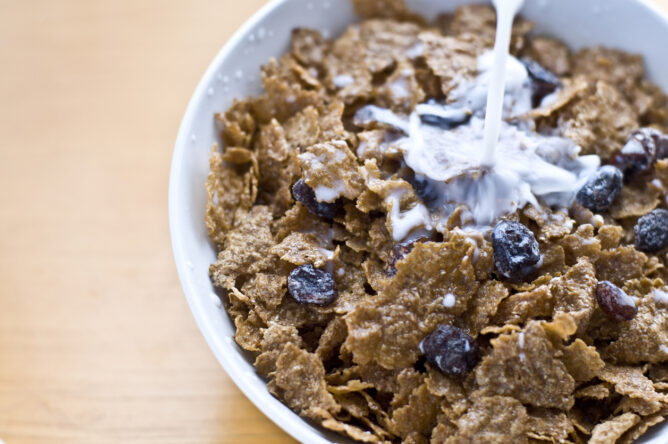
Bran cereals are made from the tough outer layer of cereal grains like wheat, oats, and corn, and they’re the part that’s richest in nutrients and fibre. That fibre content is what makes them particularly useful for heart health, especially soluble fibre, which helps manage cholesterol levels by binding to it in the digestive system before it can be absorbed. They also tend to contain magnesium and potassium, both of which support healthy blood pressure.
Popular options like All Bran or Weetabix Crunchy Bran fall into this category, though it’s worth checking added sugar levels on any of the cereals you choose. As a general rule, the less processed and the lower in added sugar, the better the cereal is likely to be for you over the long term.
Unfrosted shredded wheat is worth keeping on the list.
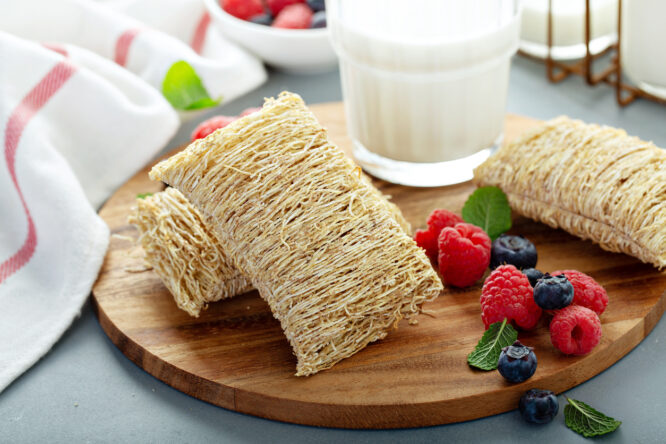
Plain, unfrosted shredded wheat is one of the more straightforward options because there’s very little added to it. It’s essentially just whole wheat, which means the fibre content stays intact, and the sodium level stays low. Whole wheat is linked to healthier blood pressure partly because it helps reduce cholesterol absorption and supports arterial function, which matters a lot when it comes to stroke risk.
It also contains iron, potassium, and magnesium, which all contribute to cardiovascular health in different ways. It’s not the most exciting bowl of cereal, but it’s genuinely one of the better ones if your priority is keeping your heart in good shape. Adding fruit is an easy way to make it more appealing without undoing any of the benefits.
Grape-Nuts have a specific nutritional quality that’s worth knowing about
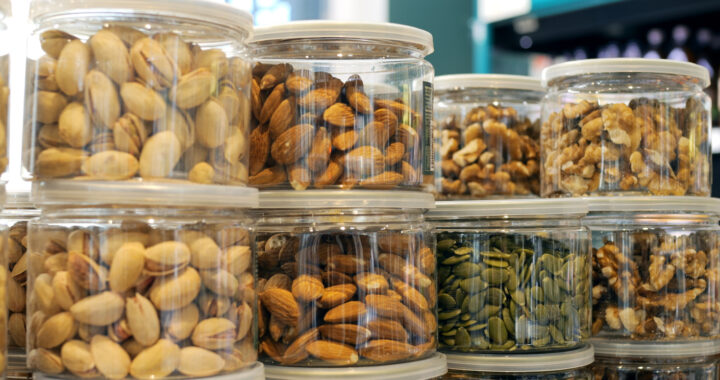
Grape-Nuts are a fairly simple cereal in that they contain wheat flour, malted barley flour, salt, and dried yeast. However, a 45 gram serving contains 5.8 grams of fibre along with a solid range of other nutrients including iron, zinc, and folate. The folate angle is particularly relevant here because folic acid has been linked in some research to a potentially lower stroke risk, partly through its role in reducing levels of homocysteine, an amino acid that at elevated levels is associated with a higher chance of stroke.
They’re also very low in sugar and relatively dense, which means a small portion keeps you fuller for longer than lighter cereals tend to. They’re not everyone’s texture of choice, but nutritionally they’re one of the more well-rounded options on this list and worth considering if you haven’t tried them recently.
Rolled oats might be the most well-supported choice of all.
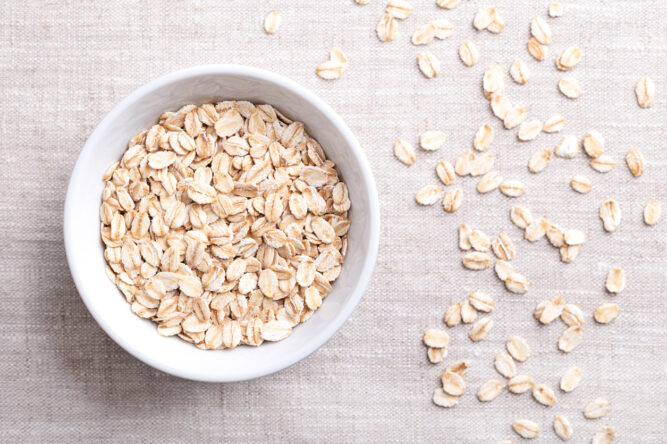
Old-fashioned rolled oats have some of the strongest evidence behind them when it comes to heart health. They contain a specific type of soluble fibre called beta-glucan, which has been studied extensively for its ability to lower cholesterol levels. Reduced cholesterol means less plaque building up in arteries, which directly reduces the risk of both heart attack and stroke over time.
Beta-glucan also does good things for gut bacteria and digestive health, which is increasingly understood to be connected to wider health outcomes, including cardiovascular function. One thing worth noting is that doctors tend to recommend rolled oats over instant oats where possible — instant versions are more processed, which raises their glycemic index and means they affect blood sugar more quickly. The old-fashioned kind takes a few extra minutes, but is meaningfully better for you.
Organic whole grain options with no added sugar are worth a look too.
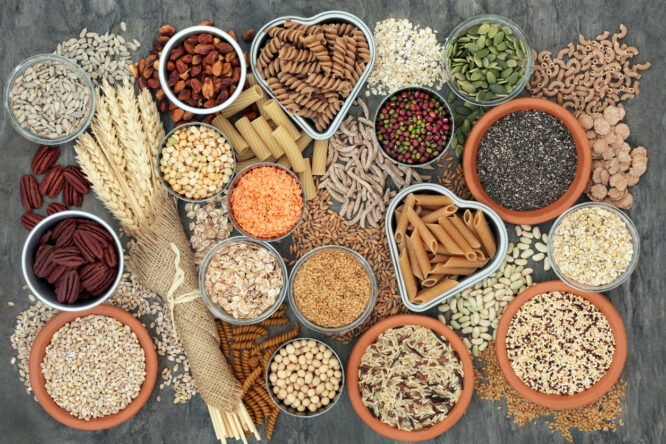
Products such as Alpen’s no added sugar muesli and Jordan’s no added sugar granola sit in a category that combines whole grains, bran, and granola to deliver fibre without the sugar hit that undoes a lot of the benefit in more mainstream options. Whole grains as a category are consistently backed by the evidence when it comes to heart health. They lower the risk of heart disease, reduce stroke risk, and support stable blood sugar across the day.
The no added sugar detail matters more than it might seem. Many cereals that market themselves as healthy still contain large amounts of added sugar, which works against the blood pressure and blood sugar management that makes these cereals useful in the first place. Getting into the habit of reading the ingredients list rather than just the front of the box is one of the more useful small changes you can make.
The bigger picture is about consistency rather than one perfect breakfast.

No single bowl of cereal is going to dramatically change your stroke risk on its own. What matters is what you eat consistently over months and years, and whether your overall diet is working for your blood pressure, cholesterol, and blood sugar rather than against them. Starting the day with something high in fibre and low in sodium and sugar is a small but genuine contribution to that, and it’s one of the easier dietary changes to actually sustain because it doesn’t require much effort or planning.
If your current cereal is high in sugar or heavily processed, swapping it for one of the options above is a straightforward change with real backing behind it. The difference between a bowl of rolled oats or bran cereal and a heavily sweetened processed alternative, eaten every morning for years, adds up to something that matters for your long-term health in a way that’s hard to argue with.