Sitting in the dentist’s chair and hearing the drill start up is a miserable experience, especially when you’re convinced your brushing routine is spot-on.
It’s frustrating to find fresh cavities or notice your enamel thinning when you actively avoid sugary sweets and fizzy drinks. The reality is that tooth decay and enamel wear often have very little to do with your main meals, tracking back instead to the mindless, automatic habits you do throughout the day.
From the way you handle your morning hot drink to things you do when you are stressed at your desk, common routines can cause serious, permanent damage to your smile. Pinpointing these everyday mistakes is the only way to protect your teeth and stop spending a fortune on fillings.
Enamel is incredibly important for your dental health.
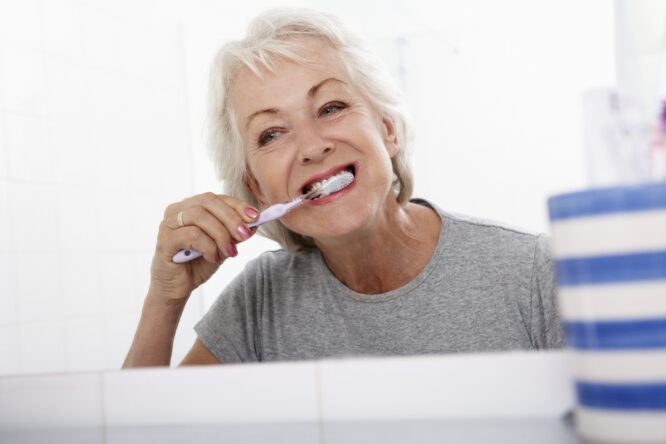
Enamel is the thin, hard outer layer that covers and protects your teeth. It shields them from decay, sensitivity, and damage, but it can’t grow back once it’s worn away. That makes protecting it one of the most important things you can do for your long-term dental health.
The tricky part is that enamel erosion is usually not immediately noticeable. There are no obvious warning signs early on, just a slow, gradual wearing down that only becomes noticeable once real damage has already been done.
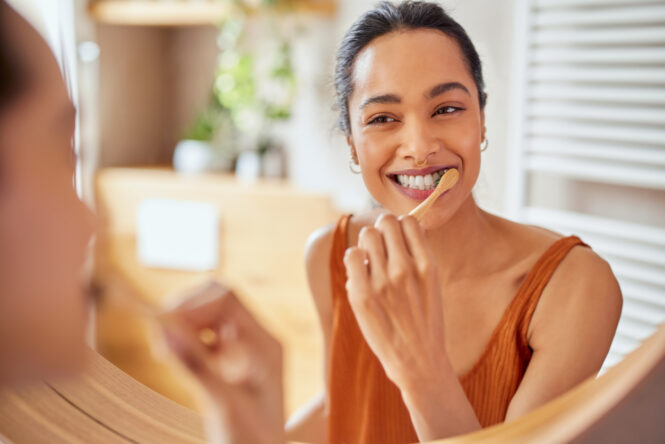
Brushing too hard is a big problem.
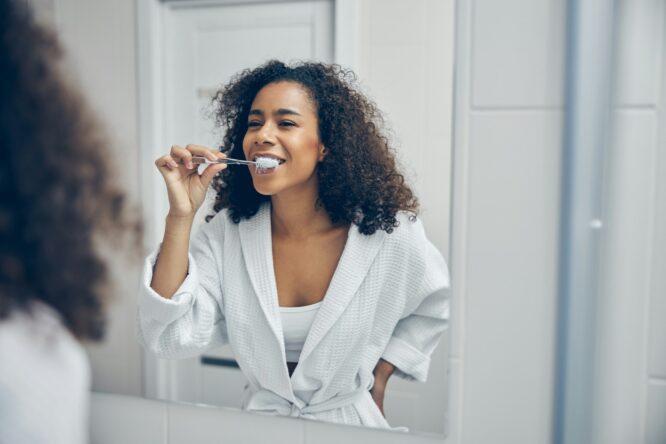
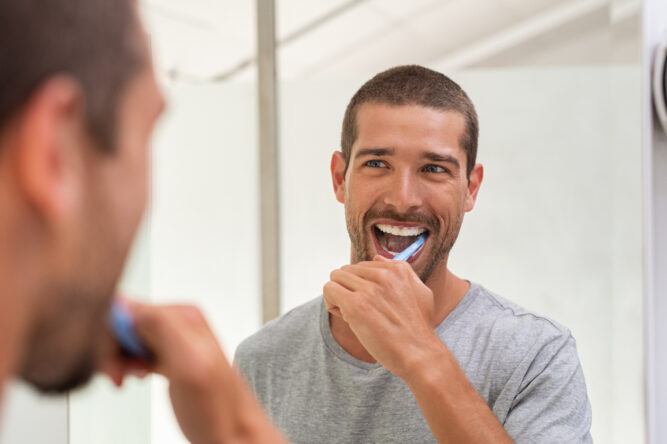
Starting the day with a vigorous scrub might feel like a thorough clean, but brushing too hard is one of the most common ways people wear down their enamel without realising it. The belief that harder brushing equals cleaner teeth is widespread but wrong, and doing it with a hard-bristled brush makes things much worse.
As time goes on, aggressive brushing strips away enamel layer by layer, long before any visible damage appears on the surface. Switching to a soft-bristled brush and using gentle, circular movements is a simple change that makes a genuine difference to how well enamel holds up over the years.
Acidic and sugary food and drink don’t do your teeth any favours.

Fizzy drinks, energy drinks, citrus juices, coffee, tea, and anything high in sugar all expose teeth to acid every single time they’re consumed. Each individual sip or bite might seem harmless, but the cumulative effect of repeated exposure throughout the day gradually wears the enamel down.
Even people who brush regularly can’t fully undo the effects of constant acid exposure throughout the day. Simple habits like rinsing with water after acidic drinks, or using a straw to reduce contact with teeth, can limit the damage without requiring any drastic changes to diet.
Not drinking enough water could work against you in more ways than one.
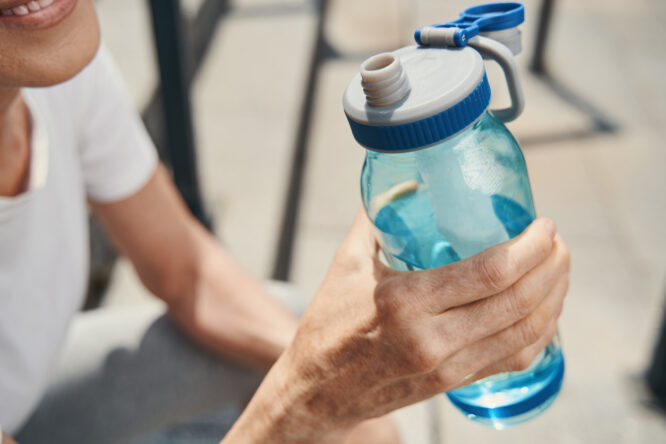
Saliva is the mouth’s natural defence system, washing away acids and helping to keep enamel mineralised and strong. The problem is that anything that reduces saliva flow, including not drinking enough water, coffee, and alcohol, leaves teeth more exposed to acid attack throughout the day.
Staying properly hydrated is one of the simplest and most overlooked ways to protect teeth. It’s not glamorous advice, but consistently drinking water throughout the day keeps saliva production up and gives enamel a much better chance of holding its own against daily acid exposure.
DIY whitening treatments simply aren’t worth it.

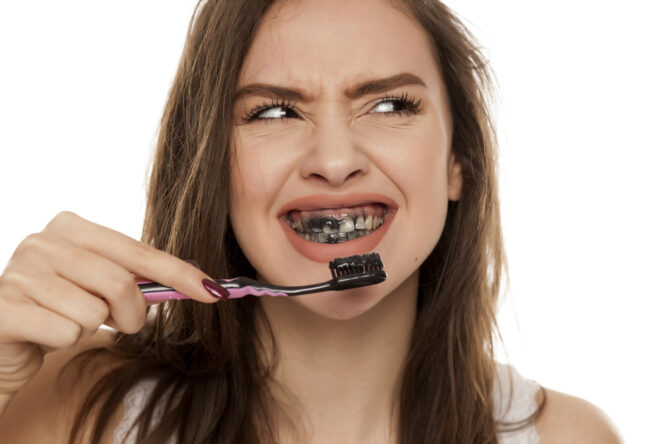
Home whitening remedies that spread on social media, things like rubbing lemon juice, baking soda, or activated charcoal on teeth, promise a brighter smile but often deliver the opposite over time. The abrasive or acidic nature of these ingredients speeds up enamel erosion rather than improving it.
The irony is that thinner enamel actually makes teeth look more yellow, not whiter because the darker layer beneath starts to show through. Dentist-approved whitening treatments or mild fluoride-based toothpastes are far safer options for anyone wanting a brighter smile without causing long-term damage in the process.
Using the wrong toothpaste is more damaging than you’d think.
Most people assume that any toothpaste claiming to protect against cavities is doing everything their teeth need. In reality, many standard formulas are focused on freshness or cosmetic whitening rather than actively strengthening enamel against daily acid wear.
Toothpastes specifically designed for enamel protection work differently, helping to remineralise the enamel surface and restore its natural hardness over time. For anyone regularly consuming acidic food or drink, making this switch turns a daily habit that was previously neutral into one that’s actively helping protect teeth.
It’s easy to go without noticing the things you’re doing wrong (or simply could be doing better).
The reason so many people end up with enamel damage despite taking reasonable care of their teeth is that the habits causing it feel normal, even conscientious. Brushing thoroughly, drinking orange juice in the morning, having several coffees throughout the day, none of these feel like harmful behaviours in the moment.
But unlike a lot of health problems, enamel erosion doesn’t announce itself early. By the time sensitivity, discolouration, or chipping becomes obvious, significant damage has already happened. Addressing the habits that cause it before symptoms appear is the only way to keep enamel intact, since once it’s gone, it doesn’t come back.