With colder weather well on the way (and even here for some areas of the UK), now is the ideal moment to make sure your heating system is ready before you desperately need it.
Boilers have an uncanny habit of breaking down on the very first properly freezing morning of the year, right when local engineers are fully booked, and you’re left shivering in a chilly house waiting for a call-out.
Running through a few straightforward checks now, most of which take barely a couple of minutes, lets you catch minor faults before they turn into an expensive emergency. Giving your radiators and boiler a quick test run while the weather is still manageable will keep your home far cosier and could even trim a noticeable chunk off your winter energy bills.
Turn your heating on now.
If your heating has been off since the spring, switch it on for a short while now, before the coldest weather arrives. It’s the easiest way to check that your boiler fires up, your radiators heat up and your hot water is working properly. If something isn’t right, you’ll have time to get it fixed before you’re relying on it. Engineers tend to be much busier once temperatures drop, so it’s better to find a problem early.
Bleed your radiators.
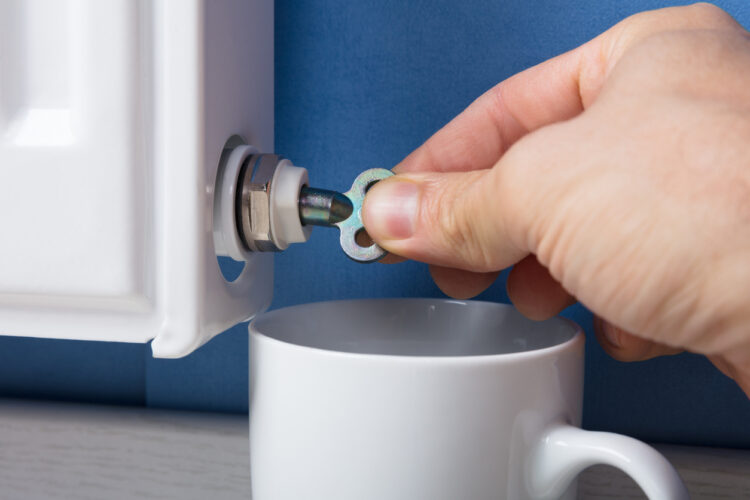
If a radiator is cold at the top but warm at the bottom, it probably has air trapped inside. Bleeding it lets the air out, so hot water can fill the whole radiator and heat the room properly. Turn the heating off and let the radiators cool, then use a radiator key to slowly open the small valve at the top corner. Hold a cloth underneath, and close the valve as soon as water starts to come out. It only takes a few minutes for each radiator.
Check your boiler pressure.
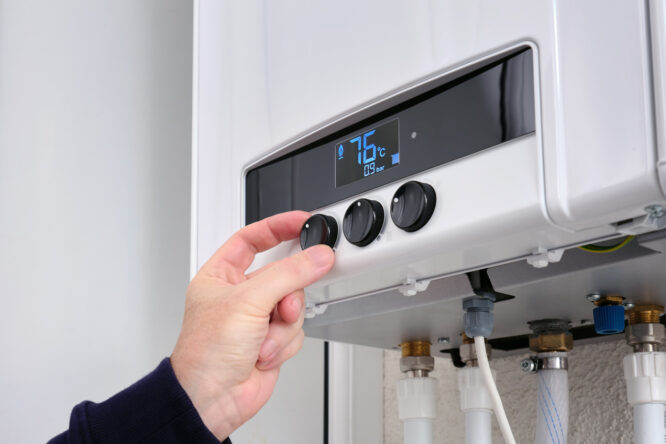
Most combi boilers have a pressure gauge on the front. When the heating is off, it usually needs to be somewhere between 1 and 1.5 bar, but check your boiler’s manual for the right level. If the pressure is too low, especially after bleeding radiators, your boiler might not work properly. Many boilers can be topped up using the filling loop underneath, and your manual will explain how to do it safely. If the pressure keeps dropping, you may have a leak, so call an engineer.
Book a boiler service.
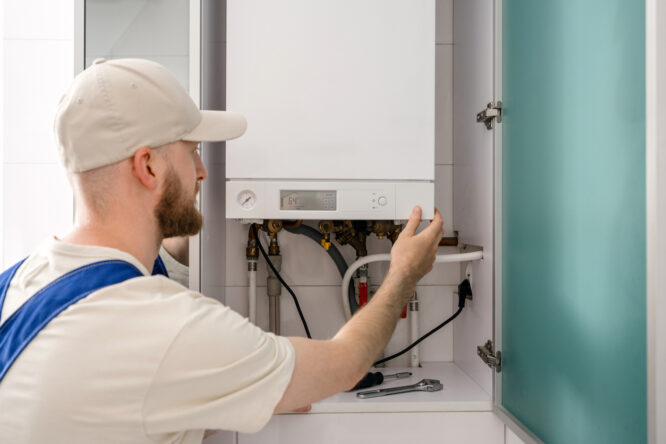
An annual service by a Gas Safe registered engineer can help your boiler run efficiently and catch problems before they turn into breakdowns. Many manufacturers also require a yearly service to keep the warranty valid. If you rent, your landlord must arrange a gas safety check every year, and give you a copy of the record. If you haven’t had one recently, ask your landlord about it.
Test your carbon monoxide alarm.
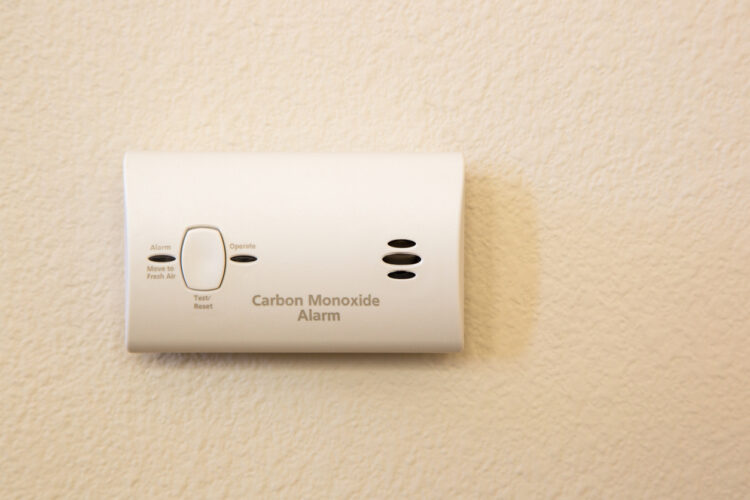
Carbon monoxide is a poisonous gas with no smell or colour, and a faulty boiler, fire or stove can produce it. A working carbon monoxide alarm is the only way to know if it’s in your home. Press the test button to make sure your alarm is working, and check its expiry date, as most alarms only last a set number of years. Signs of carbon monoxide poisoning include headaches, dizziness, sickness, and tiredness that get better when you leave the house.
Check your thermostat and timer.
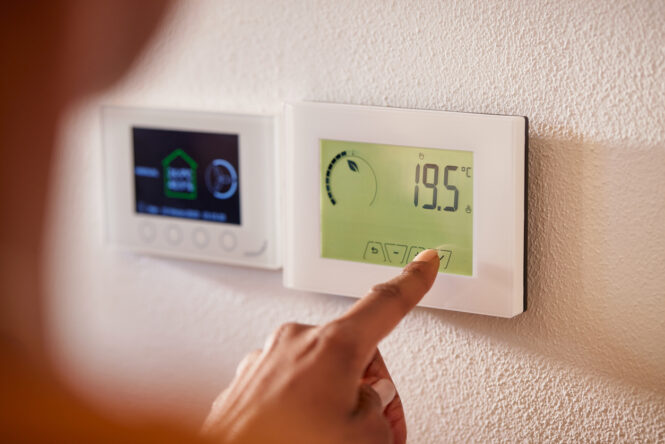
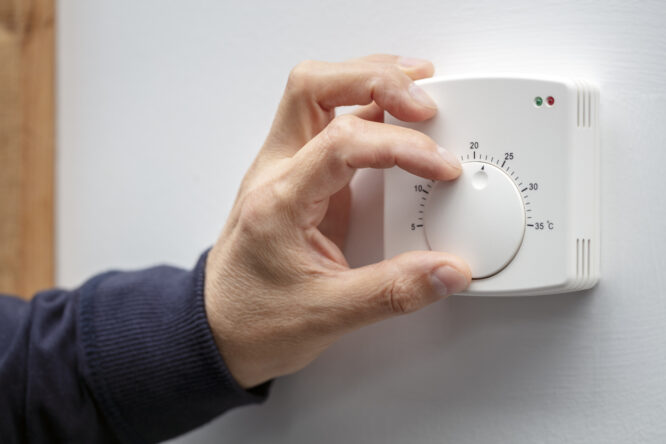
Make sure your heating timer is set for the times you actually need it, as it may still be on last winter’s settings, or have reset after a power cut. If your thermostat uses batteries, it’s worth changing them now. Setting your thermostat at a steady, comfortable temperature, often somewhere between 18C and 21C, is usually more efficient than turning it up high in short bursts.
Use your radiator valves.
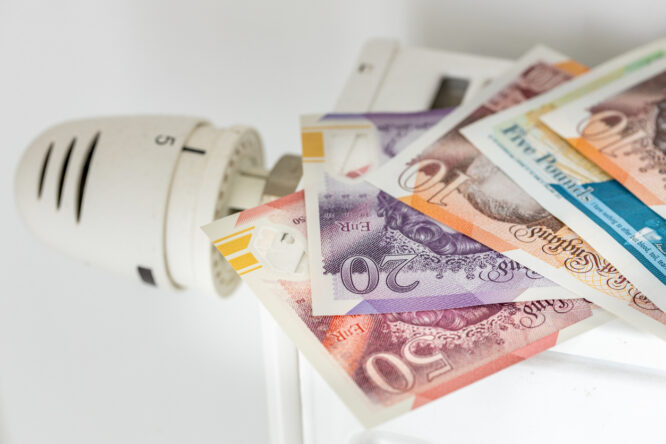
Most radiators have a valve on the side, with numbers from one to five. These let you set different temperatures in different rooms, keeping living areas warm and bedrooms or spare rooms a little cooler. If a valve hasn’t been moved all summer, it can sometimes get stuck. Turn each one fully up and down a few times to make sure it moves freely.
Look at your boiler’s flow temperature.
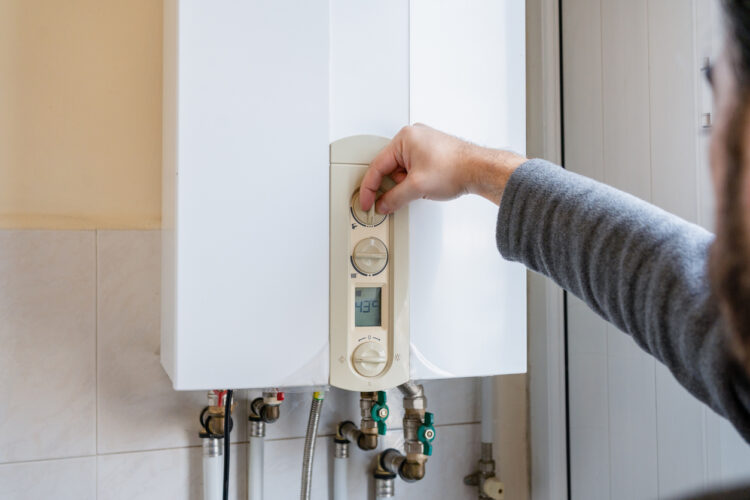
On many combi boilers, you can change the temperature of the water going to your radiators, known as the flow temperature. Energy advice charities say turning it down to around 60C can cut your gas use without making your home feel noticeably colder. This advice is mainly for combi boilers. If you have a hot water cylinder, it needs to stay hot enough to keep stored water safe, so check your manual or ask an engineer before changing anything.
Let the heat out of your radiators.
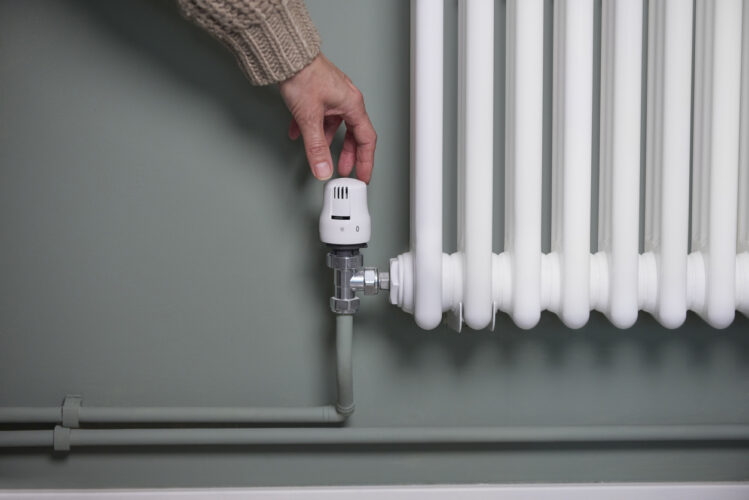
Sofas, beds, and long curtains in front of radiators can block the heat from reaching the room. Moving furniture slightly away and tucking curtains behind radiators can help your home warm up faster. If the bottom of a radiator stays cold when the top is warm, it might have sludge build-up inside. An engineer can check this and clean the system if needed.
Protect outside pipes.
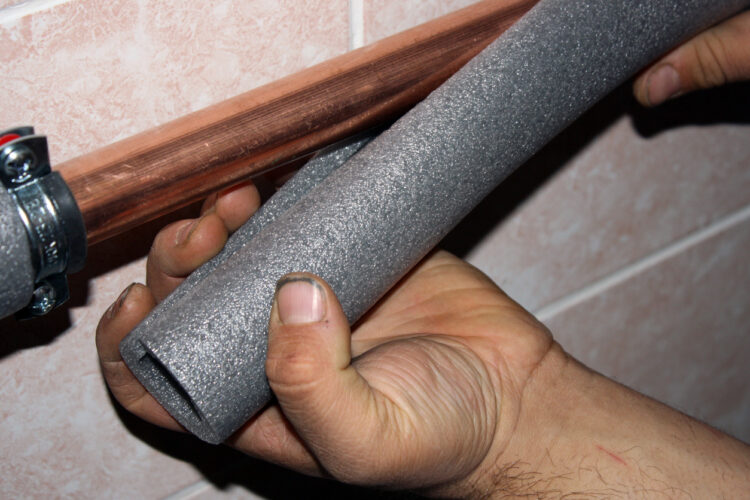
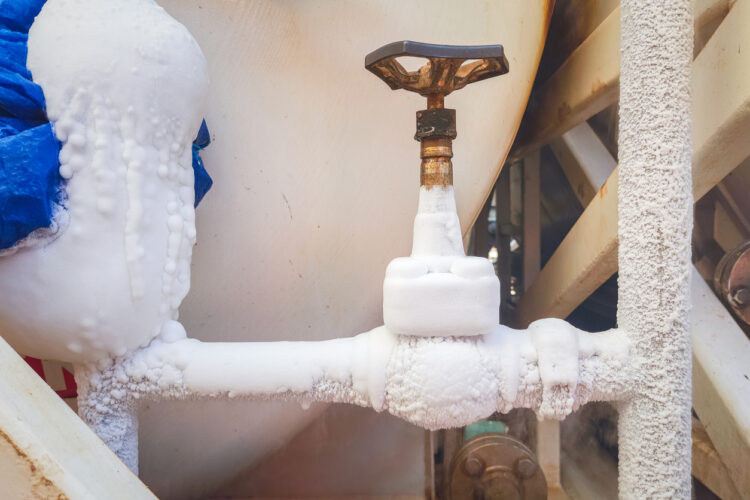
If your boiler has a condensate pipe that runs outside, it can freeze in very cold weather and stop your boiler working. Wrapping it in pipe lagging can help prevent this. If it does freeze, pouring warm, not boiling, water over the outside section of the pipe can often thaw it, so you can then reset your boiler.
Do your checks this weekend.
Switch your heating on for an hour, bleed any cold radiators, check the boiler pressure and test your carbon monoxide alarm. If anything isn’t working as it should, or your boiler hasn’t been serviced for over a year, book an engineer now. If you’re struggling with heating costs, contact your energy supplier, as they should be able to talk to you about payment plans and any help you might be entitled to.