Colder nights are a sharp reminder to give your home a quick once-over for any exposed pipes that might freeze when the temperature drops below zero.
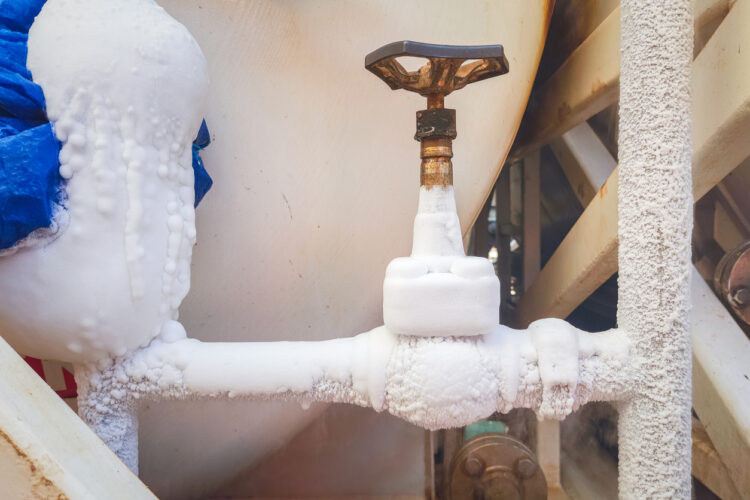
When water freezes inside a pipe, it expands with enough force to split metal or plastic wide open, often causing a major leak the moment things thaw out and flooding a room before you even spot the drip. Fortunately, dealing with a burst pipe is almost always preventable with a few cheap, straightforward jobs around the house, many of which take just a couple of minutes to tick off.
Taking a little time now saves you from a massive repair bill and a soggy carpet later on, and knowing the right steps to protect your plumbing—plus what to do if the worst happens—makes winter much easier to handle.
Why pipes are more likely to burst in cold weather
Water expands as it turns to ice, and if it freezes inside a pipe it can push against the walls until the pipe cracks or a joint gives way. Often the damage only shows when the ice thaws and water starts to escape through the split. Pipes most at risk are those in cold spaces, such as lofts, garages, outbuildings and along outside walls. Outside taps and the pipes that feed them are also especially exposed, as they sit directly in the cold air.
Lag your pipes.
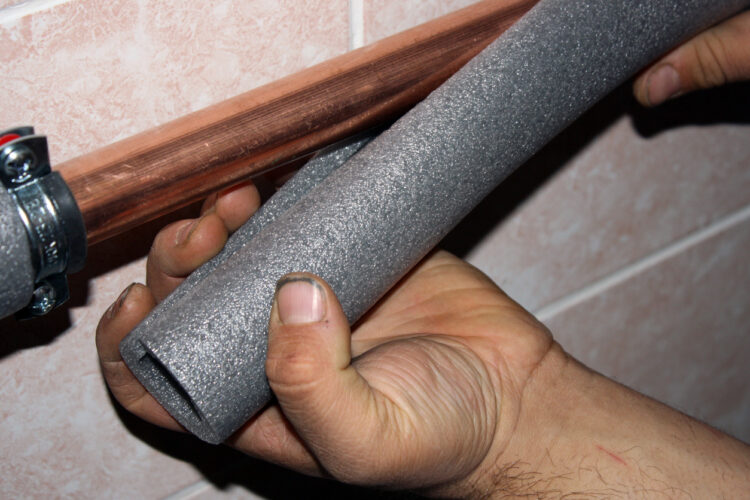
Lagging means wrapping pipes in foam insulation, which helps keep the water inside them from freezing. Foam pipe lagging is cheap, widely available from DIY shops and easy to fit, as most types simply split open and clip around the pipe.
Focus on pipes in the loft, garage and any other unheated spaces first. Your cold water tank in the loft can also be insulated, as long as you leave the area directly underneath it uncovered, so a little warmth can rise from the room below.
Protect your outside taps.
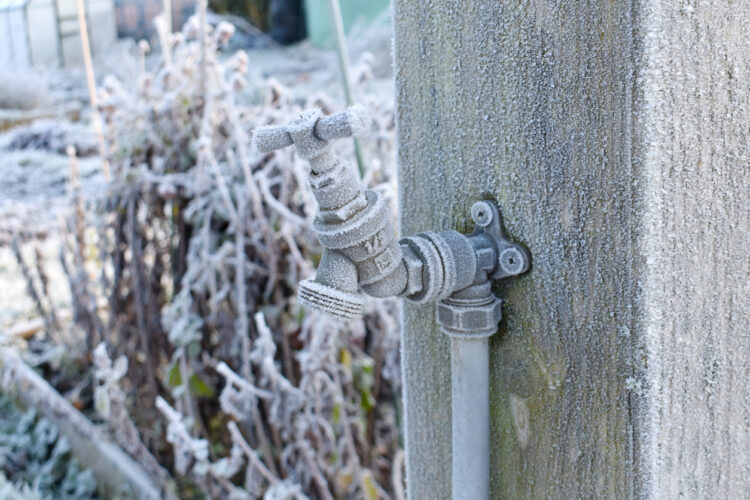
Outside taps are one of the most common places for pipes to freeze. If your tap has an isolating valve inside the house, turn it off, then open the outside tap to let any water drain out. You can also buy an insulated cover for the tap itself, which fits over it and helps keep the cold out. It’s a small cost compared with the price of repairing a burst pipe, and it only takes a moment to fit.
Know where your stopcock is.
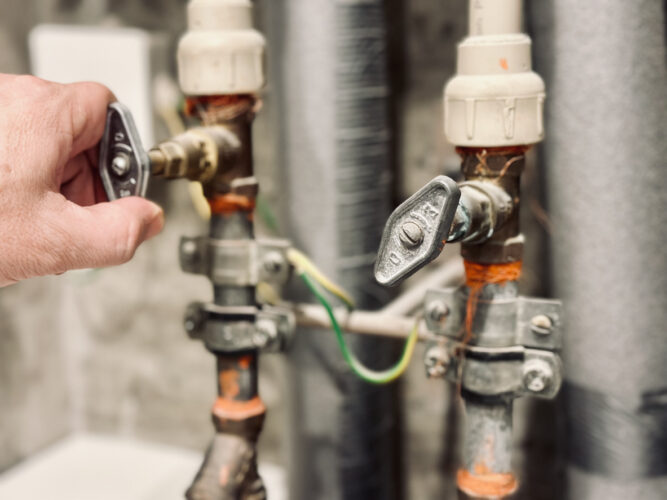
Your stopcock is the valve that turns off the water supply to your home, and it’s often found under the kitchen sink. If a pipe bursts, turning it off quickly can save you from a lot of water damage. It’s worth finding it now and checking it turns easily, as stopcocks that haven’t been used for years can get stiff. Make sure everyone in your home knows where it is and how to turn it off.
Keep a little heat on.
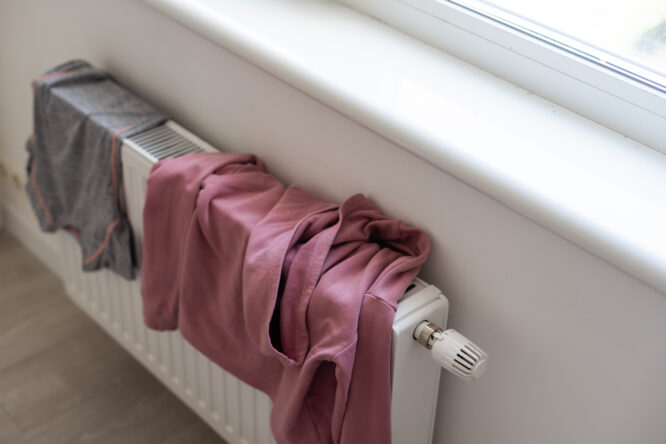
Keeping your home at a steady temperature during very cold spells can help stop pipes freezing. If you’re going away, many insurers and water companies suggest leaving the heating on a low setting rather than turning it off completely. Some boilers also have a frost setting, which switches the heating on automatically if the temperature drops very low. It’s worth checking your boiler’s instructions to see whether yours has one.
Fix dripping taps.
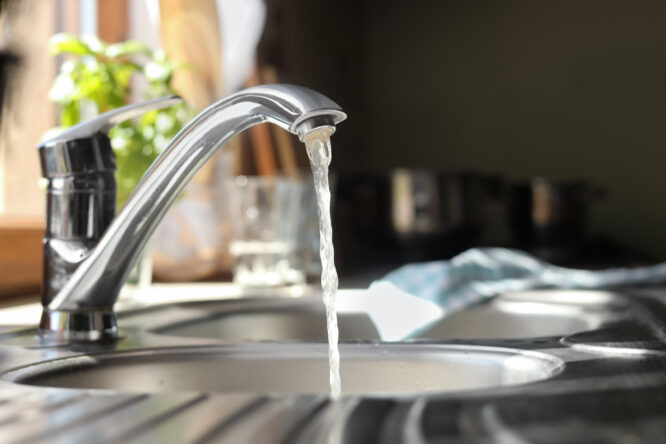
A dripping tap or leaking pipe might not seem urgent, but a small, steady drip can freeze and block a pipe in very cold weather. Fixing drips before winter sets in reduces the chances of a frozen pipe. Replacing a tap washer is often a simple job, and there are plenty of guides online if you’d like to do it yourself. For anything more complicated, a plumber can usually sort it quickly.
Don’t forget the condensate pipe.
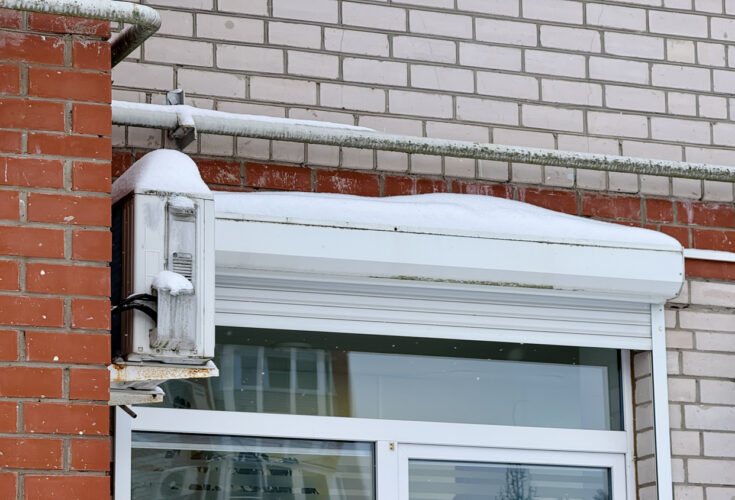
If you have a modern condensing boiler, it will have a plastic pipe called a condensate pipe that usually runs outside. This pipe can freeze in very cold weather, which can stop your boiler working. If your boiler stops and shows a fault code on a freezing morning, a frozen condensate pipe may be the cause. Pouring warm, not boiling, water over the outside section of the pipe can often thaw it, and you can then reset the boiler following its instructions.
What to do if a pipe freezes
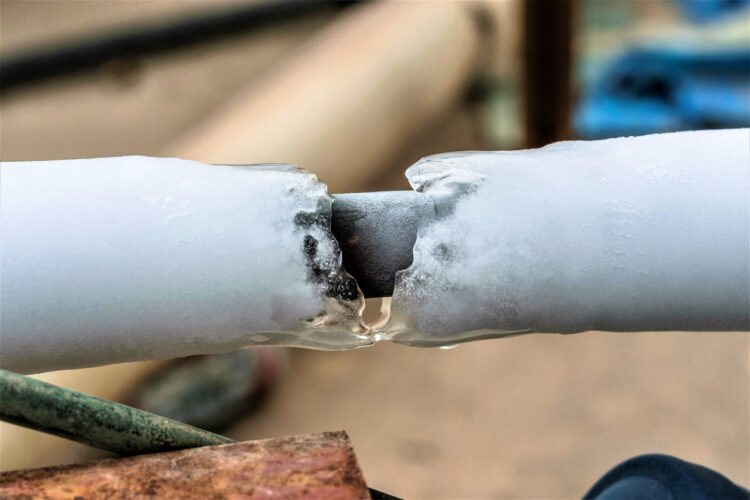
If you turn on a tap and nothing comes out, or only a trickle, a pipe may be frozen. Turn off the water at the stopcock, then open the tap so water can escape as the pipe thaws. Thaw the pipe gently using a hot water bottle, a towel soaked in warm water or a hairdryer on a low setting, starting from the end nearest the tap. Never use a naked flame or a blowtorch, as this can damage the pipe and is a fire risk.
What to do if a pipe bursts
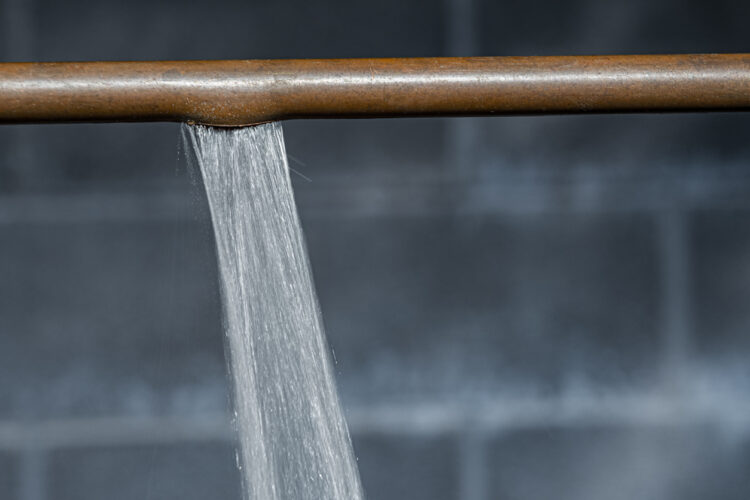
If a pipe bursts, turn off the water at the stopcock straight away and open all your cold taps to drain the system. If water is near any electrics, switch off the electricity at the fuse box, but only if it’s safe to reach. Then call a plumber and let your home insurer know as soon as possible. Taking photos of the damage will help with any claim, and it’s worth keeping receipts for any emergency repairs.
Check your insurance.

Most home insurance policies cover damage caused by burst pipes, but the details vary. Some insurers may not pay out in full if a home was left unheated for a long time, so it’s worth reading the small print before you go away. If you rent, tell your landlord about any leaks or burst pipes straight away, as they’re usually responsible for repairs. You should still turn off the water and take steps to limit the damage while you wait.
Things to do before the cold truly sets in
This week, take a few minutes to find your stopcock, check for any uncovered pipes in the loft or garage and drain your outside tap. A few pounds spent on lagging and a tap cover now could save you a lot of money and stress later. And, if you’re heading away for a few days, leave the heating on low. It’s one of the simplest ways to keep your pipes safe while you’re gone.