As the days get colder and shorter, the RSPB says now is the time you can go back to feeding garden birds the full range of foods.
That means everything from seeds and peanuts to fat balls, suet, and mealworms is back on the menu. Under the charity’s updated guidance, the colder months from November to April are when it’s safest to fill up your feeders because the risk of spreading disease between birds is lower. But the RSPB has also changed some of its advice on how to feed birds safely, including which kinds of feeders to avoid and how often to clean them. Here’s what to put out and how to keep your garden visitors healthy this winter.
The RSPB recommends feeding in winter in particular.
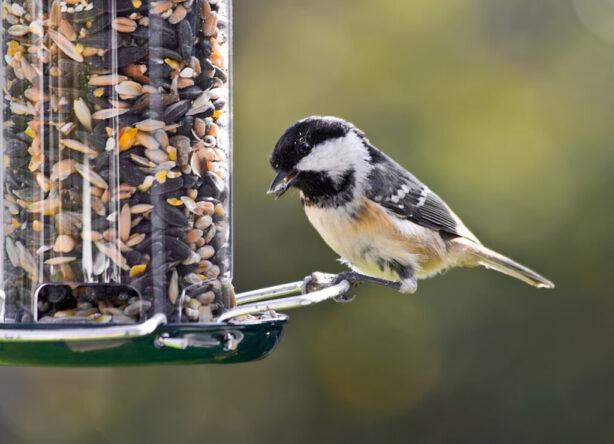
The RSPB now recommends feeding birds according to the season. From 1 November to 30 April, it says you can feed a full range of bird foods, including mealworms, fat balls, suet, seeds, and peanuts. In the warmer months, from May to October, it suggests pausing seeds and peanuts, and only putting out small amounts of mealworms, fat balls or suet.
The reason is a disease called trichomonosis, which spreads between birds, particularly finches, when they gather at feeders. The RSPB says the risk is lower in the colder months. Winter is also when birds need the most help because natural food is harder to find, and they need plenty of energy just to keep warm through long, cold nights.
What to put out for different birds
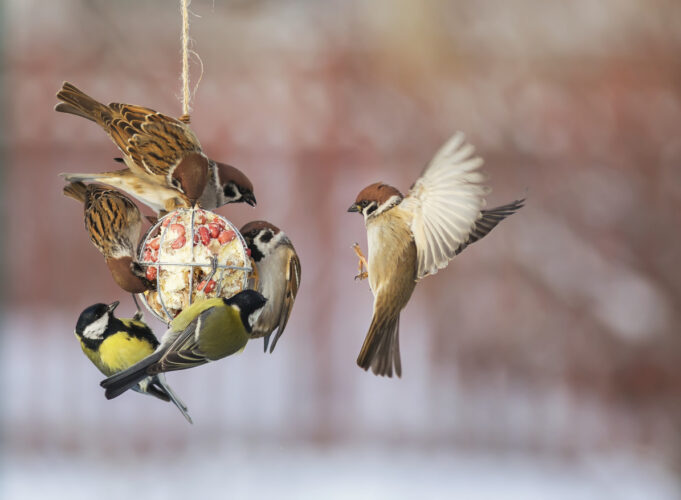
Different birds like different foods, so a mix will bring a wider variety into your garden. The RSPB says mealworms are popular with blackbirds, robins, tits, dunnocks, sparrows, starlings, wrens, nuthatches, wagtails, and song thrushes. Suet is enjoyed by a similar range of birds, and can also attract great spotted woodpeckers and blackcaps.
If you’d like to see finches, the RSPB says nyjer seed is a favourite of goldfinches, greenfinches, siskins and redpolls, while sunflower hearts are popular with tits, finches, and sparrows. Apples and pears are good for blackbirds, blackcaps and winter thrushes, as long as they aren’t mouldy, and a small amount of dried fruit can help robins, blackbirds, and song thrushes.
Take care with dried fruit if you have pets.
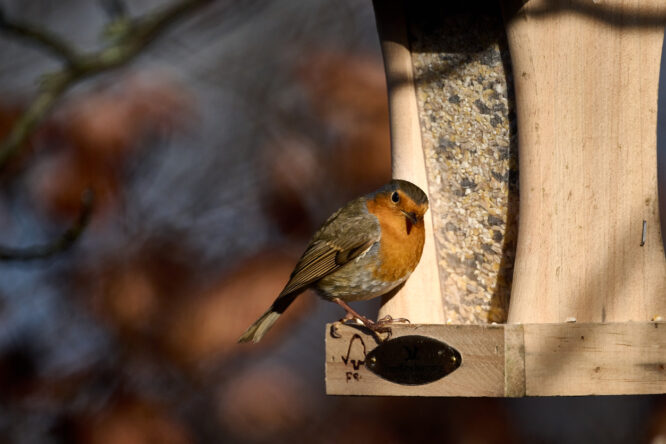
Raisins and sultanas can be a real treat for birds in winter, but the RSPB says to only put them out in pet-free gardens. That’s because raisins and sultanas are toxic to cats and dogs, so if your pet could get to anything that falls on the ground, it’s best to choose another food. If you do have pets, apples and pears are a safer fruit option. Cut them in half or into chunks and put them where birds can reach them easily, and clear away anything left over before it goes mouldy.
Choose the right kind of feeder.
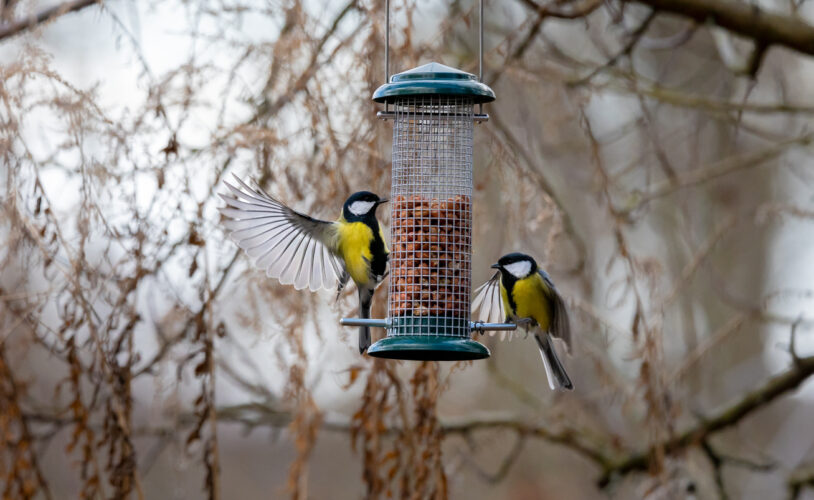
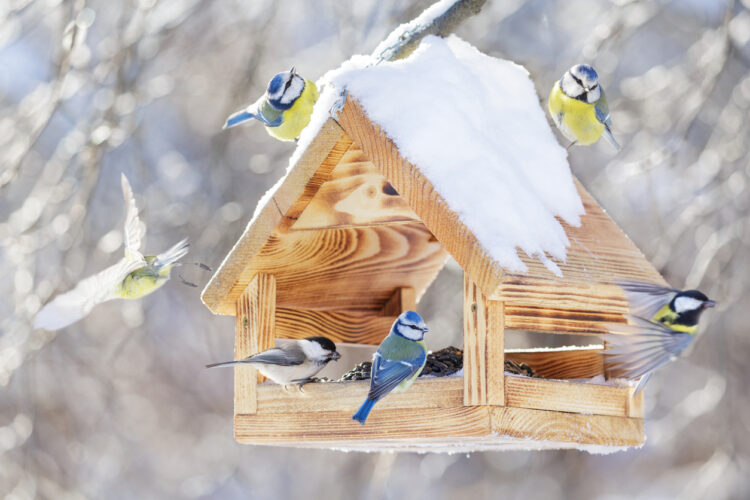
One of the biggest changes in the RSPB’s latest advice is about feeders with flat surfaces. The charity now says not to use bird tables, window feeders or feeders with trays because birds can gather there and spread disease more easily through droppings and shared food.
Instead, hanging feeders are the better choice. The RSPB says rigid steel mesh nut feeders are the only safe way to offer peanuts to wild birds, so birds can’t choke on whole nuts, and seed feeders should be filled with proper feeder seed.
Where to put your feeders
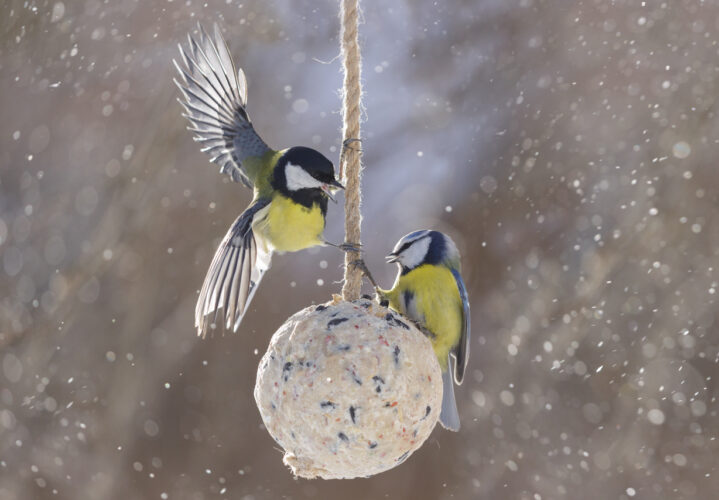
The RSPB suggests hanging feeders in a quiet, safe spot. Try not to put them under trees or branches where birds perch or roost because droppings can fall onto the feeder and the food below. It also advises keeping feeders away from bushes where cats or other predators could hide.
It’s also a good idea to move your feeders around. The RSPB recommends putting them in a different spot every week, which stops droppings and old food building up in one place on the ground below. If you have several feeders, you can rotate them between a few spots in your garden.
Don’t put out too much at once.
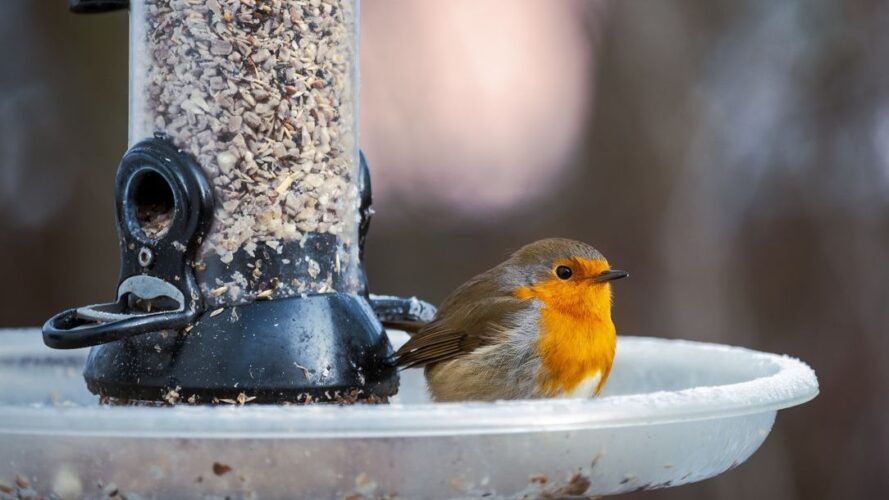
It’s tempting to fill every feeder to the top, but the RSPB says to feed in moderation. Only put out as much as the birds will eat in a short time, so food stays fresh and doesn’t attract rats or go off.
As a guide, the RSPB says suet can be left out for up to seven days, while seeds and peanuts should be eaten within one or two days. Mealworms should be cleared away by dusk on the same day, because they can harm hedgehogs that come into gardens at night. Keeping food as dry as possible matters too, as damp food can quickly go mouldy.
Keep feeders and bird baths clean.
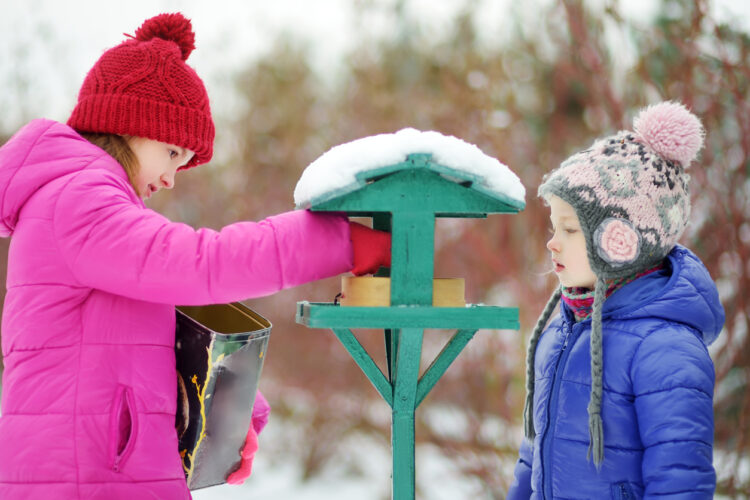
Regular cleaning is one of the most important ways to stop disease spreading. The RSPB recommends cleaning feeders and bird baths every week with hot soapy water, and then disinfecting them with a non-toxic disinfectant or a mild 5% bleach solution. Rinse them well and let them dry before filling them again.
Wear gloves while you clean, and wash your hands thoroughly afterwards because the RSPB says some bird diseases can also infect people. It’s best to use a brush and bucket kept just for bird feeders, rather than cleaning them in the kitchen sink.
What to do if you see a sick bird
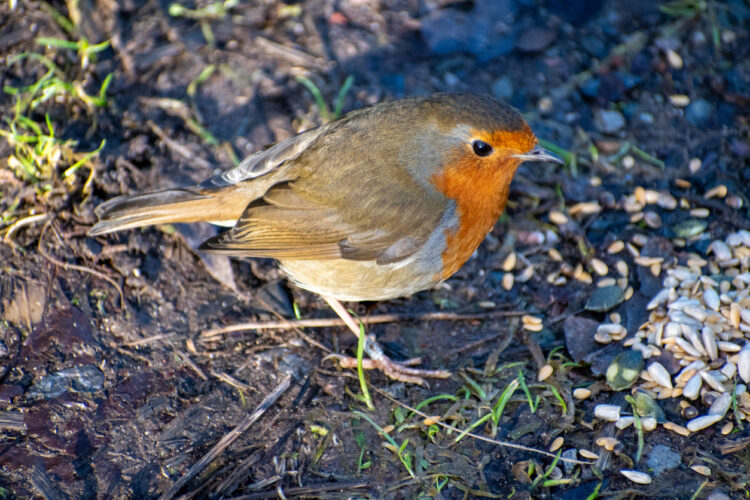
If you notice birds at your feeder looking fluffed up, lethargic or struggling to eat, the RSPB says to stop feeding altogether. Take down your feeders, give them a thorough clean, and wait a month before you start feeding again. It can feel hard to stop, but taking a break gives the birds a chance to spread out and find food elsewhere, which helps stop the illness passing from bird to bird.
Give birds fresh water too.
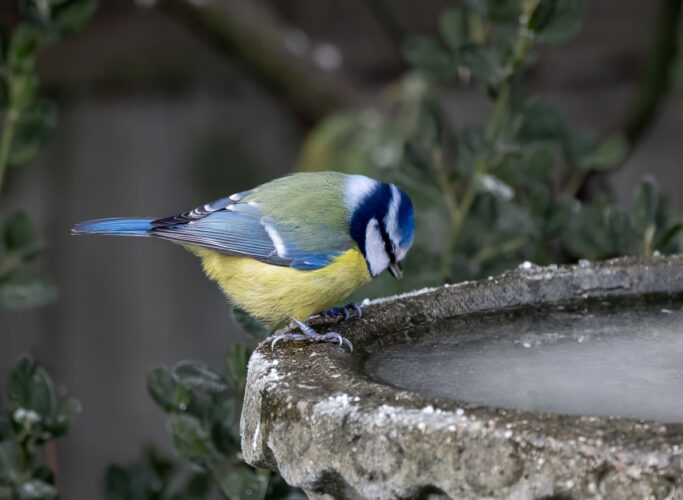
Birds need water to drink and bathe in all year round, and it can be hard for them to find in a cold snap when puddles freeze over. The RSPB says to change the water in bird baths every day, and that tap water is fine to use if you can change it daily.
A pond is the best way to provide water for birds and other wildlife, according to the RSPB. If your water supply is treated with a chemical called chloramine, the RSPB suggests using a raised bird bath, or filling a bath on the ground with rainwater from a covered water butt.
Help birds find their own food.
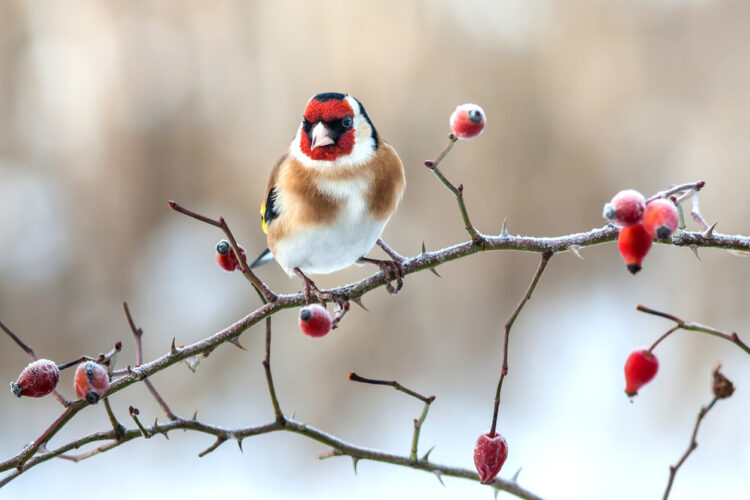
Feeders are a great help, but planting for wildlife can give birds a natural supply of food too. The RSPB suggests plants such as sunflowers, teasels and ivy, which produce seeds and berries that birds love and offer shelter as well. Leaving some seed heads standing over winter, rather than cutting everything back, is an easy way to help. A small patch of the garden left a little wild can also give birds insects to feed on.
Make a simple winter routine.
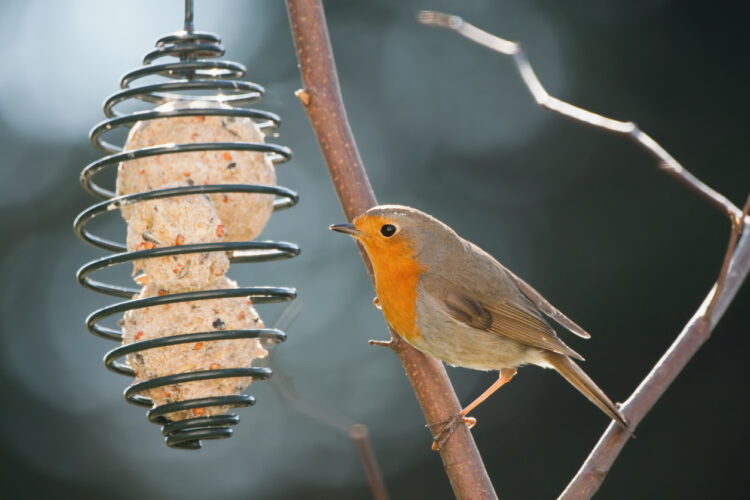
Pick a few foods to start with, such as sunflower hearts and suet, and put them in hanging feeders in a quiet part of the garden. Once a week, clean the feeders and move them to a fresh spot, and refresh the bird bath every morning.
Keep an eye on which birds visit and how much they eat, and adjust what you put out to match. With a little care, your garden can become a safe place for birds to feed right through to spring, and you’ll get to enjoy watching them on cold winter mornings.