Dealing with problems in a rented home can be awkward, to say the least.

Most tenants don’t want to start an argument with their landlord, but at the same time you shouldn’t have to live with broken heating, damp walls, or repairs that never seem to get done. In the UK, landlords have legal responsibilities to keep properties safe and in good repair, yet many issues only get fixed after the tenant speaks up clearly. The trick is raising the problem in a calm, practical way that shows you know your rights without sounding aggressive.
If you’re dealing with repairs, safety issues, or ongoing problems in a rented property, these are the kinds of phrases that can help get the conversation moving in the right direction.
“I wanted to let you know about a repair issue in the property.”
Opening the conversation calmly makes a big difference. Jumping straight into complaints can sometimes make landlords defensive, especially if they weren’t aware of the problem yet. Starting with a simple message that you want to report a repair keeps things professional, and it also creates a clear record that you’ve informed them about the issue. In the UK, tenants should report repairs as soon as possible, so landlords have the chance to fix them before the situation gets worse.
“The heating hasn’t been working properly since last week.”
When describing a problem, it helps to be specific about what’s happening and when it started. Vague complaints such as saying something is “broken” don’t always give enough information for the landlord to act quickly. Clear details about the problem, the location, and the timeframe make it easier for them to arrange the right repair. It also shows you’re being reasonable and organised rather than just venting frustration.
“Could you let me know when someone might be able to have a look at it?”

Asking about a timeframe is an important step that many tenants skip. If you simply report a problem without asking when it might be fixed, it can end up drifting down the landlord’s priority list. Questions like this encourage a clear response about when repairs might happen. Plus, it keeps the conversation focused on solving the issue rather than leaving things vague.
“I just wanted to follow up on the repair I mentioned earlier.”
Sometimes repairs take longer than expected, or messages get overlooked. Following up politely shows that you’re still waiting for the problem to be addressed without sounding confrontational. In many cases, landlords manage several properties and issues at once. A calm reminder often helps move things along if the repair has simply slipped through the cracks.
“The damp in the bedroom seems to be getting worse.”
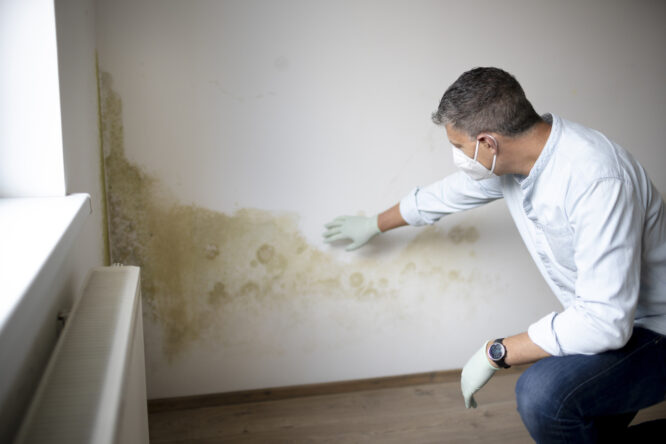
If a problem is ongoing or becoming more serious, it’s important to explain how the situation has changed. Damp, mould, and leaks are good examples because they can get worse over time and affect your health. Pointing out that the issue is getting worse highlights why it needs attention sooner rather than later. It also shows that the problem hasn’t simply gone away since you last mentioned it.
“I’ve attached a few photos so you can see what’s happening.”
Providing photos or short videos can make a huge difference when reporting problems. It helps landlords understand the issue clearly and reduces the chances of misunderstandings about what needs fixing. Photos also create a useful record if the problem continues or needs to be reported again later. Many tenants find that including images speeds up the repair process.
“Is there a contractor you usually use for this type of repair?”

This shows that you’re focused on solving the issue rather than simply complaining, and that you’re willing to work with the landlord to get the problem sorted. Many landlords already have plumbers, electricians, or maintenance workers they regularly use that can jump in and help here. Asking about this can help the repair get organised faster.
“This issue is starting to affect how the property can be used.”

Sometimes a repair goes beyond inconvenience and begins to affect your ability to live comfortably in the property. Examples include broken heating in winter, faulty plumbing, or electrical problems. Explaining how the issue impacts daily life can help underline why it needs attention. It frames the complaint in practical terms rather than sounding like a personal criticism.
“Could you confirm when the repair has been scheduled?”

Once the landlord agrees to fix something, it’s helpful to ask for confirmation about the next steps. Knowing when the repair has actually been booked gives you peace of mind that things are moving forward. This also helps avoid situations where everyone assumes someone else has arranged the repair when in reality nothing has been scheduled yet.
“I’d appreciate an update when you have one.”

Repairs sometimes involve waiting for parts, contractors, or inspections. Asking for updates keeps communication open and shows that you’re expecting the issue to be followed through. Most landlords respond better when tenants communicate clearly but politely. Keeping the tone respectful makes it easier to maintain a good working relationship, which you’ll want if you plan on living in the property long-term.
“I understand these things take time, but I wanted to check in.”

This statement works well when you’re following up after waiting a while for repairs. It acknowledges that arranging maintenance can take time, while still reminding the landlord that the problem hasn’t been resolved yet. By recognising the practical side of the situation, you keep the conversation calm and constructive rather than confrontational.
“Please let me know if you need access to the property to fix this.”

Repairs often require contractors to enter the property, so it helps to show that you’re willing to cooperate. Offering access options can speed things up and make scheduling easier. Letting the landlord know your availability or preferred times shows that you’re trying to help the process run smoothly.
“I’d appreciate it if this could be resolved soon.”

When a problem has dragged on for a while, it’s reasonable to say that you would like the issue resolved quickly. The wording keeps the message firm but still polite, which is the perfect balance. Statements like this communicate urgency without sounding aggressive, which often leads to better results when dealing with landlords or property managers.
“Thank you for looking into this.”

Ending messages politely may seem small, but it often helps maintain a good relationship with the person responsible for managing the property. Even when you’re frustrated, keeping communication respectful can make future conversations easier. Most landlords are far more responsive when tenants remain calm and organised in their communication, and a clear message combined with a polite tone often gets problems solved much faster than angry emails or texts.
Renting a property always involves some level of communication between tenant and landlord, especially when repairs or maintenance are needed. Using clear, practical language helps keep those conversations productive. When you describe the issue properly, ask reasonable questions, and keep the tone calm, you give yourself the best chance of getting the problem fixed quickly.