Council Tax is one of those bills most people assume is fixed and not up for discussion.
You get the band, you pay the bill, and that’s that. However, the truth is a surprising number of homes in the UK are placed in the wrong band. The system is still based on property values from decades ago, and many homes were originally assigned their band quickly during the early 1990s rollout. That means mistakes still exist today, and some households have been overpaying for years.
If your property is in the wrong band, you can apply to have it reassessed. In some cases, people have received refunds worth thousands because council tax is refunded back to when you first became liable for the property. But the process has rules, and it’s important to follow the steps carefully.
Check what Council Tax band your property is in first.
Before doing anything else, you need to confirm your current band. Every home in England and Wales falls into a band between A and H, and that band determines how much council tax you pay each year. You can check this online using the government postcode lookup. It takes seconds and shows your band along with nearby properties. This first step matters because sometimes people assume they’re paying too much when their property is actually correctly banded.
Understand that bands are based on old property values.
One thing that surprises many people is that council tax bands are not based on modern house prices. In England, they’re based on what the property would have been worth on 1 April 1991. That means a house worth £400,000 today might still sit in a band based on a 1991 valuation of perhaps £80,000. Because these estimates were done quickly decades ago, some homes ended up placed in the wrong bracket.
Compare your band with similar nearby homes.
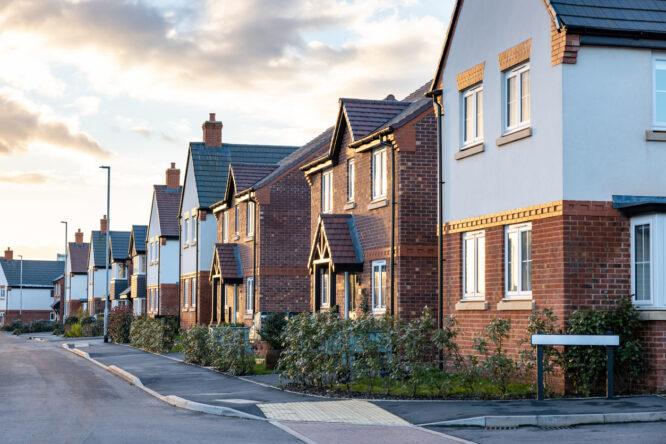
One of the simplest checks is the “neighbour test.” Look up properties around you that are similar in size, age, and layout. If several neighbouring homes are in a lower band than yours, that can be a sign something is wrong. However, you need to be careful here. If you challenge your band and the Valuation Office reviews the street, they might discover that your neighbours are underbanded instead. In that case, their bills could go up rather than yours going down.
Estimate what your property would have been worth in 1991.

To strengthen your case, it helps to estimate the 1991 value of your property. You can do this by looking at historical house prices and comparing similar homes that sold around the early 1990s. Evidence from property sales between April 1989 and March 1993 can be particularly useful when supporting a band challenge. This information helps demonstrate whether your property was likely placed in the correct band originally.
Know when you have the legal right to challenge.

There are certain situations where you have a formal legal right to challenge your council tax band. For example, if you have been responsible for paying council tax on the property for less than six months, you can submit what’s known as a formal proposal. You may also be able to challenge if the band of your property or a similar one has recently changed, or if the property itself has undergone significant structural changes.
You can still request a band review, even without a formal right.

Even if you don’t meet the strict criteria for a formal proposal, you can still ask the Valuation Office Agency (VOA) to review your band. In that case, it’s called a “band review.” The VOA will consider the evidence you provide and decide whether the band needs adjusting. While this route isn’t guaranteed, it still leads to successful rebanding in some cases.
Submit your challenge to the Valuation Office Agency.

The body responsible for council tax banding in England and Wales is the Valuation Office Agency. Importantly, your local council does not set the band, so they cannot change it directly. Challenges must be submitted to the VOA online, by email, or by completing a formal challenge form. You’ll need to confirm you are the owner or occupier of the property and provide supporting evidence. Once submitted, the VOA reviews the information and decides whether the band should change.
You must continue paying council tax while the review happens.
One common misconception is that payments can stop during the challenge process. Unfortunately, that’s not the case. You must continue paying your council tax as normal until a decision is made. If the band is lowered later, any overpayments are refunded by the council. This prevents people from withholding tax while waiting for a review.
The process can take months to complete.

Council tax band challenges are not instant. Reviews can take several months, especially if the VOA needs to investigate comparable properties or historical sales data. In some cases, the process can stretch close to a year, depending on complexity and workload. Patience is often required, but successful cases can lead to long-term savings.
You can appeal if you disagree with the decision.

If the VOA decides not to change your band, and you believe the decision is wrong, you may be able to appeal to an independent body. This is handled by the Valuation Tribunal, which reviews council tax band disputes and hears evidence from both sides. Appeals must normally be lodged within three months of the VOA’s decision.
A successful challenge can reduce future bills and trigger refunds.

If the VOA agrees your property should be in a lower band, your council tax bill will drop going forward. In addition, the council may refund any overpayments made since you became responsible for the property. For households that have been overbanded for years, those refunds can be significant. That’s why checking your band is often recommended when you move into a new home.
Of course, it’s worth noting that there’s a small risk your band could increase.
This is the part many people overlook. When the VOA reassesses a property, they’re looking at whether the band is correct, not simply whether it should go down. If the evidence suggests your property is actually underbanded, it could be moved to a higher band instead. In rare cases, neighbouring properties may also be reassessed. Because of this possibility, it’s important to gather strong evidence before making a challenge.