When someone grows up having to act or be wise beyond their years, it tends to stay with them throughout their life.

Maybe they had to care for siblings, keep the peace, manage adult emotions, or just figure life out on their own before they were ready. And while that kind of early responsibility can be heavy, it also shapes a very specific set of qualities—some beautiful, some exhausting, and most of them quietly misunderstood. Here’s what often shows up in people who had to grow up too soon.
They’re incredibly independent, even when they don’t want to be.

These are the people who figure things out themselves because they had no other option growing up. They’re resourceful and capable, but it also means they often struggle to ask for help, even when they really need it. There’s usually a subtle fear underneath that if they lean too hard on someone else, it might not be reliable. So, they default to handling everything alone, even when it leaves them completely drained.
They read a room faster than anyone else.

When you grow up in an unpredictable environment, you learn to clock mood changes quickly. These people notice subtle cues, tones of voice, and body language no one else pays attention to. It’s part intuition, part survival skill. They know when to tread lightly, when to comfort, and when to exit. It makes them incredibly emotionally perceptive, but it also means they can struggle to fully relax around other people.
They take on more than their share of responsibility.

Whether it’s at work, in relationships, or with family, they’re the ones picking up the slack. It’s not always conscious; it just feels natural to step up and make sure things run smoothly. However, it often leads to burnout and resentment in the long run, and understandably so. They often don’t realise how much they’re carrying until someone points it out, and by then they’re already running on fumes.
They have a complicated relationship with fun.

Letting go and being playful doesn’t come easily. They might find lighthearted moments confusing or even a bit uncomfortable. When you’re used to being the responsible one, fun can feel unfamiliar or unsafe. They often wish they could loosen up more, but struggle to stop anticipating what might go wrong. Joy takes practice when you’ve spent your childhood in survival mode.
They’re hyper-aware of other people’s needs.

They’re the ones offering tissues before you even cry, or checking in when you didn’t even realise you needed it. Their emotional radar is always switched on, and it comes from years of monitoring everyone else’s moods. This can make them deeply kind and empathetic, but it also leaves them prone to people-pleasing and emotional exhaustion. They often give too much without noticing until it’s too late.
They feel guilty if anyone tries to look after or care for them.

If you offer to do something kind for them, their instinct might be to politely decline or overcompensate in return. Receiving feels foreign, sometimes even uncomfortable, because they were the caregiver, not the cared-for. Even small gestures of kindness can trigger a sense of debt. They’re learning to let themselves be nurtured, but it takes time and reassurance that it’s okay to let other people show up for them, too.
They don’t like feeling emotionally exposed.

Vulnerability isn’t easy when you’ve been taught, directly or indirectly, that you had to hold it together. Showing emotion might have once led to being ignored, dismissed, or punished, so now it feels risky. Even in safe relationships, they often keep their guard up. They might express concern for other people easily but struggle to open up about their own pain unless they really trust someone.
They come across as older than their years.

They often carry a quiet seriousness or maturity, even when they’re young. People might say they’re wise, grounded, or “an old soul,” and while that can be a compliment, it’s also a sign they’ve skipped a few steps. Underneath that adult-like calm, there’s often a part of them that never got to be carefree. They might look composed, but it doesn’t mean they haven’t longed for simplicity and silliness too.
They second-guess their own needs.

When you’re raised to prioritise other people, it becomes easy to forget what you actually want or need. These people often struggle to identify their own feelings without running them through a filter of “How will this affect everyone else?” They might feel guilty just for wanting rest or space or joy. Learning to honour their own needs often feels like a rebellion, even when it’s healthy and overdue.
They’re incredibly self-motivated.

Growing up without much external support can create a strong internal drive. These are the people who push themselves to do well, not because anyone expects it, but because they’ve learned that no one else will do it for them. While this can lead to success, it also means they rarely stop to acknowledge how far they’ve come. They’re usually too focused on the next goal to celebrate the fact they’ve already done the impossible more than once.
They struggle with trust, especially when things feel stable.

Consistency is unfamiliar. When things are going well, a small part of them braces for impact. It’s not that they’re pessimistic. It’s just that safety has never felt predictable before. They might pull away when things feel too easy or start self-sabotaging without realising it. They’re not trying to ruin anything; they just don’t fully trust that comfort isn’t a trap.
They apologise more than they need to.

“Sorry” slips out before they’ve even had time to think. They’re used to taking the blame, smoothing things over, or shrinking themselves to keep the peace. Over-apologising becomes second nature. This isn’t about low self-worth, it’s about safety. Saying sorry feels like a way to stay in control of the situation. However, it’s also a habit they’re often trying to unlearn as they grow more confident in their voice.
They’re incredibly loyal, but rarely ask for the same in return.
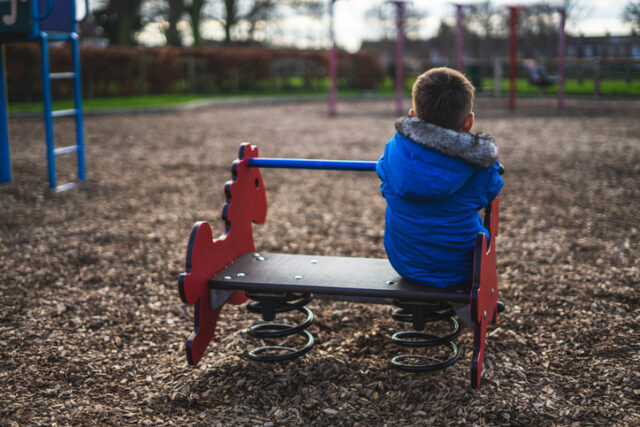
If they care about you, they’ll go the extra mile. They show up, they check in, they stick around. Loyalty is second nature to them because they know what it’s like to be left hanging. The hard part is they don’t always expect reciprocity. They’re used to being the giver, so receiving the same kind of care can feel almost suspicious. Trusting someone else to be consistent is a big deal for them.
They try to stay in control of everything.

When life has felt chaotic or unpredictable, control starts to feel like safety. They plan, they double-check, they prepare for every scenario—not because they’re rigid, but because unpredictability once hurt them. This habit can make them look organised and dependable, but inside, it often comes from a deep need to never be caught off guard again. They’re learning to let go, but it’s hard when the past trained them to stay on guard.
They take things seriously, even when they don’t want to.

Jokes don’t always land, light teasing can feel too sharp, and even casual fun sometimes gets filtered through a lens of responsibility. Their brains are wired to anticipate consequences, not laughter. They often want to be more playful, but it takes effort to not default to overthinking. When they do finally relax, you’ll see a whole other side that doesn’t get much airtime, but it’s there, and it’s worth making room for.
They rarely expect things to be easy.

They’re used to working harder, waiting longer, and carrying more. So when something actually goes smoothly, it can feel almost suspicious. They’ve been conditioned to brace for impact. It’s not a mindset they chose. Sadly, it’s one that formed from having to figure things out early. Even in adulthood, they often don’t trust when things feel too good to be true. Ease takes time to learn, too.
They’re deeply compassionate, sometimes to their own detriment.

They’ve seen the messy side of life, often up close. So they tend to give people more grace, more chances, more benefit of the doubt. They understand struggle because they’ve lived it. The downside is they can excuse behaviour that hurts them. They want to believe in people’s goodness, even when it comes at their own expense. Setting boundaries doesn’t come naturally, but they’re learning.