Parenting trends move so fast that it’s hard to tell which ones are actually helping and which are just making everyone miserable.
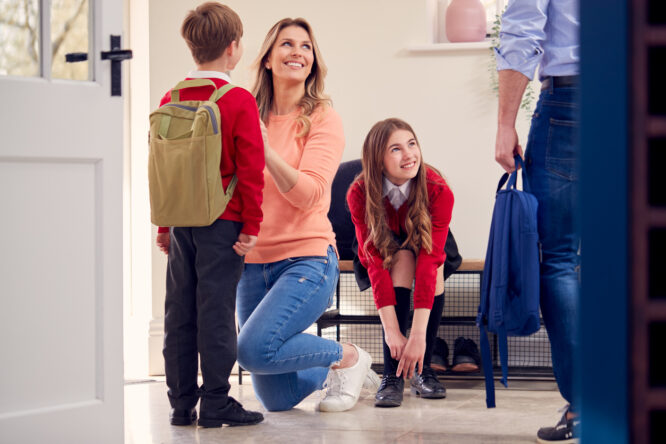
These days, many of the high-pressure tactics that felt revolutionary a few years ago are starting to show their age, with experts warning they might be doing more harm than good. For example, there are the exhausting extremes of “gentle parenting,” and the constant digital monitoring of every move, and that’s just to name a couple.
Sadly, these well-meaning habits are often backfiring and leaving both parents and kids burnt out. We’re not talking about a return to old-fashioned discipline, but a much-needed move away from performative styles that prioritise a trend over actual family sanity. If you’ve been feeling like you’re failing at a game with impossible rules, dropping these habits is likely the best thing you can do for your home. It’s time to bin the fads that have outstayed their welcome and get back to what actually works.
Relying too much on AI for parenting advice is starting to worry experts.

One of the biggest changes in recent years has been how many parents are turning to AI tools for guidance. From asking questions about behaviour to looking for emotional support, some are treating these tools like a stand-in for real advice. While it can feel convenient, experts are starting to flag the risks of relying on something that isn’t designed to understand your child personally or pick up on important details.
The concern isn’t that technology is always bad, it’s that it can quietly replace real conversations. Parenting decisions often need context, nuance, and sometimes professional input. When those things are replaced with quick answers, it can lead to misunderstandings or oversimplified advice that doesn’t always fit real-life situations.
The pressure to “prove” you’re a good parent online is problematic.
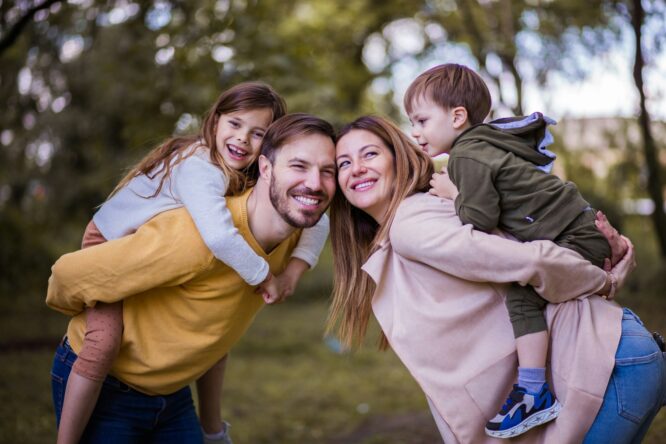
Another trend gaining attention is what some experts call the pre-emptive photo habit. This is where parents post carefully chosen moments online, sometimes with captions that almost feel like a defence of their parenting. On the surface, it looks harmless, but it reflects a deeper pressure to show that everything is going well.
The problem is that photos only capture a moment, not the full picture. A child can be smiling in one image while still struggling in ways that aren’t visible. When parenting becomes something that feels like it needs to be documented or justified, it can take the focus away from what’s actually happening in real life.
Overscheduling kids is starting to backfire.

Many parents have fallen into the habit of filling their child’s time with activities, lessons, and structured plans. It often comes from a good place, wanting to give them opportunities or help them get ahead. But experts are increasingly pointing out that too much structure can have the opposite effect.
Children need unstructured time to rest, play, and figure things out on their own. When every part of their day is planned, it can lead to stress, burnout, and a lack of independence. What looks like productivity on the surface can actually limit creativity and emotional development over time.
The confusion around parenting styles isn’t helping anyone.

The debate around parenting styles has become louder, especially online. Terms like gentle parenting are often misunderstood, with some people interpreting them as being too permissive, while others push back with harsher, more reactive approaches. This back-and-forth has created a lot of confusion about what actually works.
Experts are starting to move away from rigid labels altogether. Instead of sticking to one style, the focus is shifting towards balance, setting boundaries while still being supportive and responsive. The idea is that parenting isn’t one-size-fits-all, and trying to follow a trend too closely can make things harder rather than easier.
The bigger issue behind all of this isn’t one trend—it’s the pressure behind them.
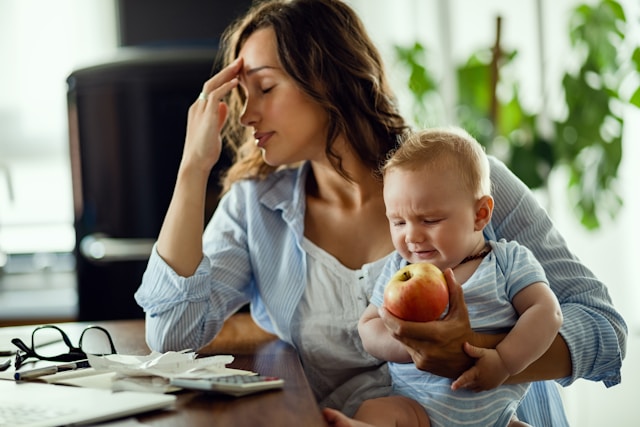
When you step back, most of these trends have something in common. They’re driven by pressure, whether that’s pressure to get things right, to keep up with others, or to make sure children are always progressing. Over time, that pressure can turn everyday parenting into something that feels much heavier than it needs to be.
Experts are increasingly pointing out that children don’t need perfect systems or constant optimisation. What they need is consistency, attention, and space to grow at their own pace. Letting go of some of these trends isn’t about doing less, it’s about focusing on what actually matters.
Parenting is starting to change again, and we might be closer to getting it right.
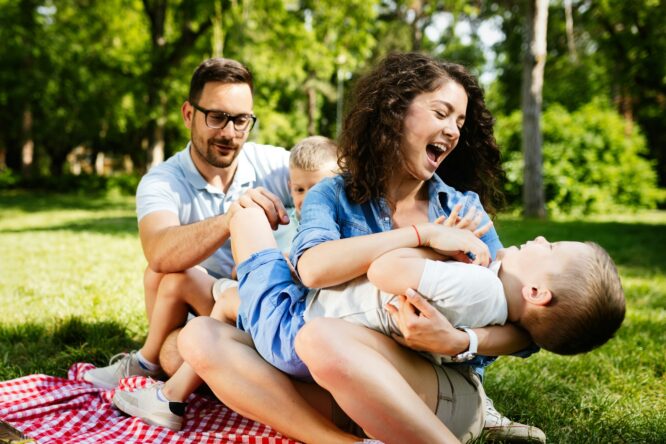
Looking ahead, there’s a clear transition towards something more realistic. Less focus on perfection, fewer rigid rules, and more room for flexibility. That doesn’t mean ignoring guidance or structure altogether, but it does mean being more selective about what advice you follow and why.
The idea of being a “good enough” parent is starting to gain more attention. It’s about recognising that mistakes happen, things won’t always go to plan, and that’s part of raising children, not something to fix. Moving away from trends and back towards real-life parenting is what many experts see as the next step.