With the summer heat only just starting to fade, winter illnesses are probably the furthest thing from your mind, but the NHS isn’t waiting around to get its defences in place.

Following a gruelling summer where hospitals had to handle record patient numbers through back-to-back heatwaves, the health service is opening up its flu booking system earlier than usual to prevent winter pressure getting out of hand. Getting roughly 19 million people protected last year prevented an estimated 104,000 hospital admissions across England. Whether you qualify for a free NHS jab or you’re planning on paying for one yourself on the high street, getting your timing right is key to avoiding a nasty bout of illness when the cold weather sets in.
Pregnant women and young children get first access to the booking system from September.
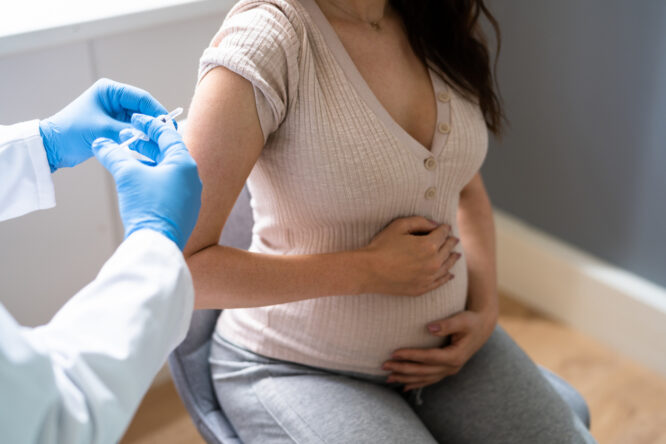
The rollout is divided into two separate waves, and the very first people invited into clinics include expectant mothers, toddlers, and school-age children. Appointments for this initial group start on 1 September, with local GP surgeries already sending out invites through text messages, letters, and notifications on the NHS App. Ensuring pregnant women and young kids get their doses well before autumn gets into full swing is a top priority for doctors, as catching flu during pregnancy or at a very young age can quickly lead to serious respiratory complications.
Pensioners and adults with chronic conditions can book their slots for October.
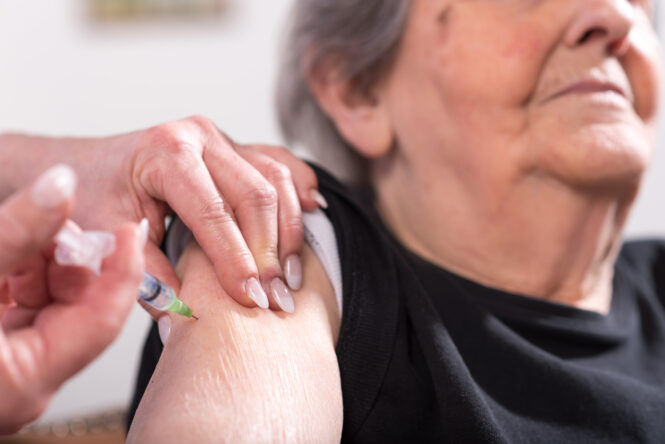
If you’re aged 65 or over, living with a long-term condition like asthma, heart disease, or diabetes, or currently staying in a residential care home, your vaccination window opens from 1 October. The NHS deliberately staggers the rollout dates so GP practices and community pharmacies aren’t completely overwhelmed with queues on day one. This schedule makes sure higher-risk adults get their maximum level of protection right as the weather turns colder and people start spending far more time indoors together.
Carers and people living with vulnerable relatives qualify for a free dose too.
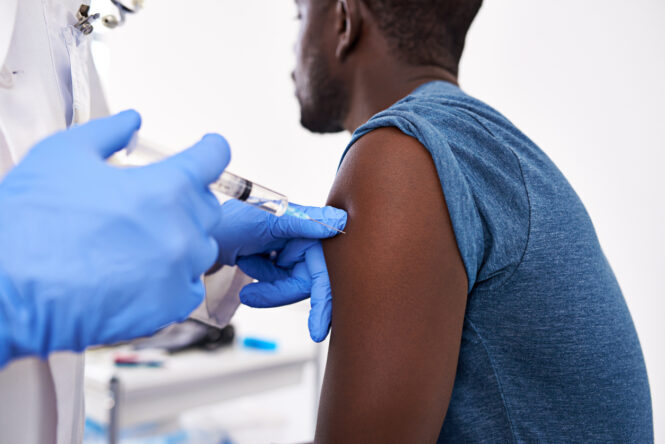
You don’t necessarily have to be in a high-risk medical category yourself to receive a free jab from the health service. If you’re the main carer for an elderly or disabled relative, if you receive Carer’s Allowance, or if you share a house with someone who has a weakened immune system, you are fully entitled to free protection on the NHS. Looking after the people who care for vulnerable relatives creates a protective barrier at home, drastically cutting the chances of someone bringing a nasty bug through the front door.
Booking an appointment is straightforward through the NHS App or your local chemist.
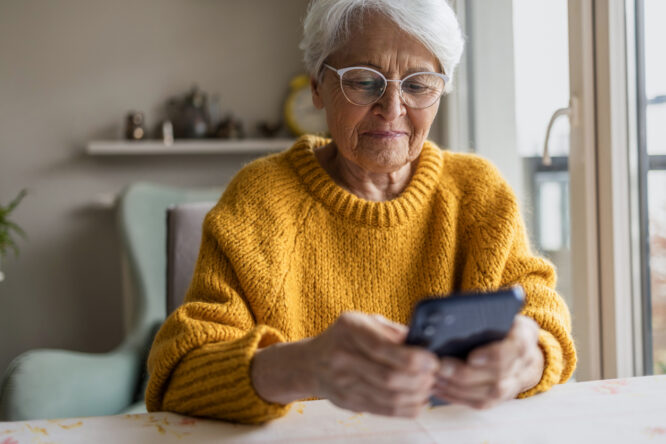
You don’t have to face the stress of ringing your GP surgery at 8 a.m. and sitting in a phone queue for half an hour to get your jab sorted. While you can still book directly through your doctor’s surgery, you can also easily arrange a slot at a participating high street pharmacy using the NHS website or the NHS App. Plenty of local chemists offer pre-booked NHS appointments and walk-in clinics, making it easy to get jabbed while running everyday errands.
If you don’t qualify on the NHS, high street pharmacies like Boots offer private jabs.
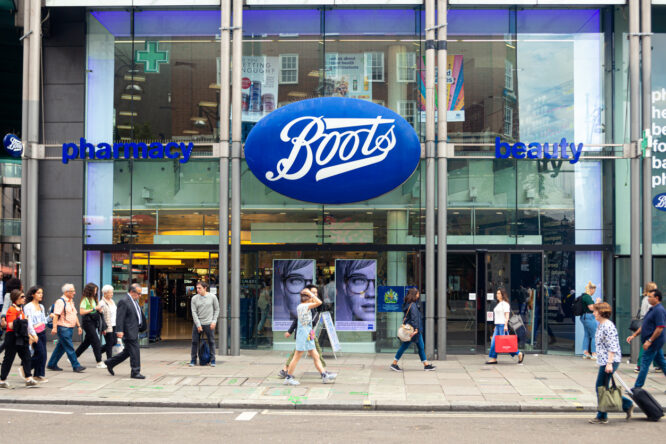
For healthy adults who don’t fit into any of the official NHS priority brackets, you can still easily get yourself protected by booking a private service. Major high street chemists like Boots and Superdrug, as well as plenty of independent local pharmacies, run private flu vaccination walk-ins and bookable slots throughout autumn and winter. It typically costs around £20, which is well worth the money if you want to avoid spending a week stuck in bed with chills, muscle aches, and a heavy fever.
The vaccine takes about a fortnight to properly kick in and build your immunity.

Don’t expect the jab to give you an impenetrable shield the exact second the pharmacist takes the needle out of your arm. Your immune system needs roughly two weeks to process the vaccine and produce the protective antibodies required to fight off the actual influenza virus. That two-week lag is the main reason medical professionals advise booking early in autumn, rather than waiting until everyone in your workplace or local area is already coughing and passing bugs around.
Your strongest protection lasts around three months, making early autumn ideal.
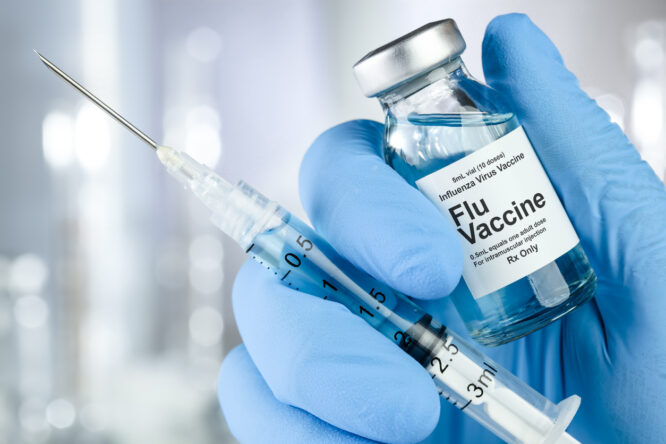
The immunity you get from the flu vaccine doesn’t stay at peak strength forever, typically offering its most robust defence for around three months before gradually waning. Because seasonal flu cases in the UK usually hit their worst levels between December and January, getting vaccinated in September or October puts you in the sweet spot. It guarantees your immune defences are running at full power right when the virus is spreading most aggressively through the community.
The jab won’t guarantee you dodge every bug, but it keeps you out of hospital.
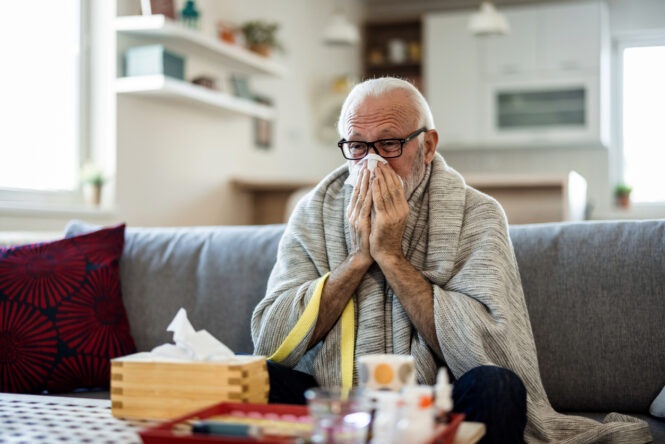
A very common frustration is catching a cold after getting vaccinated and assuming the jab was completely useless. While the vaccine cannot offer 100% protection against catching every single circulating winter bug, it massively reduces the severity of the illness if you do come down with the flu. Instead of ending up in hospital with dangerous chest infections, vaccinated people usually experience much milder symptoms and get back on their feet far quicker.
Getting vaccinated helps stop the virus spreading to fragile people around you.
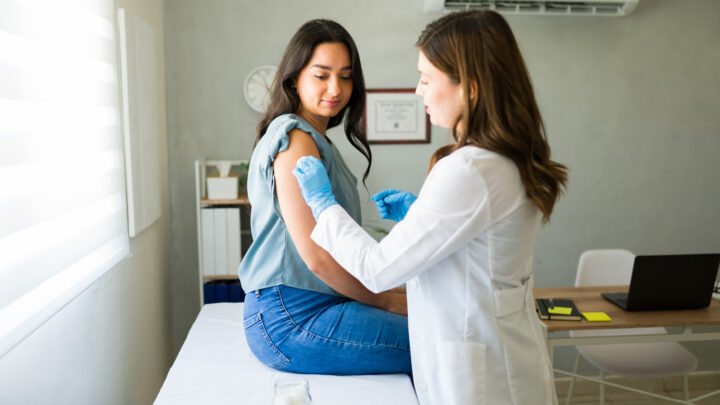
Rolling up your sleeve isn’t just about protecting your own health; it plays a huge part in keeping the wider community safe through the winter months. If you catch a mild case of the flu without showing major symptoms, you can easily pass it along to elderly relatives, tiny babies, or people undergoing medical treatments who can’t fight it off easily. Sorting out a quick appointment protects your own winter plans while helping take the pressure off local hospitals.