Popping your wheelie bin out on the pavement for collection is one of those mundane household chores nobody thinks twice about.
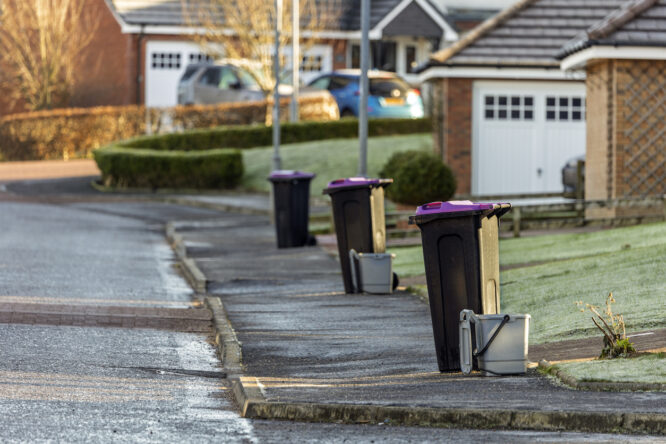
That all changes when you step outside on bin day and find that your bin has simply vanished into thin air. Whether it has been blown down the street by heavy winds, mixed up by over-eager neighbours, or stolen entirely, a missing bin is far more common across the UK than most people realise.
Suddenly, you’re left with bags of household waste piling up and no clear idea of who to turn to. But while losing your bin is an absolute nuisance, knowing the exact steps to take, from checking local council replacement policies to marking up your next bin properly, can save you a headache and stop your rubbish taking over your front garden.
Why do bins go missing?
Wheelie bin theft is a bigger problem than most people assume. There are several reasons someone might take a bin that isn’t theirs. Sometimes it’s the bin itself people want, and sometimes it’s what’s inside that’s the real target, including personal post or bank statements that could be used for fraud. That’s why it’s an issue you should take seriously, rather than simply assuming your bin will turn up eventually or that nobody would bother stealing something so ordinary.
What to do first if your bin disappears

Before assuming the worst, do a bit of quick detective work. Asking neighbours is a sensible first step, since it’s entirely possible someone’s brought your bin in by mistake and would likely want it gone from their garden anyway. Weather can play a part too. Strong winds can genuinely blow a bin further than you’d expect, so check behind hedges or in any hidden corners nearby before ruling out an accidental disappearance.
When it’s time to report it

If you’ve checked around and still come up empty, and genuinely suspect theft, you can report it to the police. This is done through the non-emergency 101 number or via the police website, though this route only applies if the bin is your own personal property rather than one supplied by your local council.
Once reported, you should be given a crime reference number while the case is looked into. If the bin actually belongs to the council rather than to you personally, the right move is to contact them directly instead of going through the police.
Will you have to pay for a replacement?

Depending on where you live, you may be required to pay for a replacement bin if yours has gone missing. That said, if it turns out your bin was actually damaged by the council during a routine collection, you generally shouldn’t be charged to replace it. You’ll need to check with your specific council for their exact policy, since replacement costs and processes can vary from one area to another.
Simple ways to stop it happening again

Timing matters more than people think. Leaving your bin out overnight or putting it out well ahead of collection day gives opportunistic thieves a much wider window to strike, so wait until closer to collection time wherever possible.
The same logic applies at the other end too. Bringing your bin back in promptly once it’s been emptied reduces how long it sits vulnerable on the street. If you know you won’t be home on collection day, asking a trusted neighbour to bring it in for you is a straightforward way to close that gap.
Marking your bin can make a real difference.

Clearly labelling your bin with your house number is a small step that pays off in two ways. It reduces the chance of it accidentally ending up with someone else nearby, and it also makes the bin less appealing to opportunistic thieves, since a clearly identifiable bin is harder to quietly make use of. Adding bright colours or distinctive stickers works in a similar way, making your bin stand out and harder for anyone to pass off as unclaimed or abandoned.
Keep it out of sight where possible.
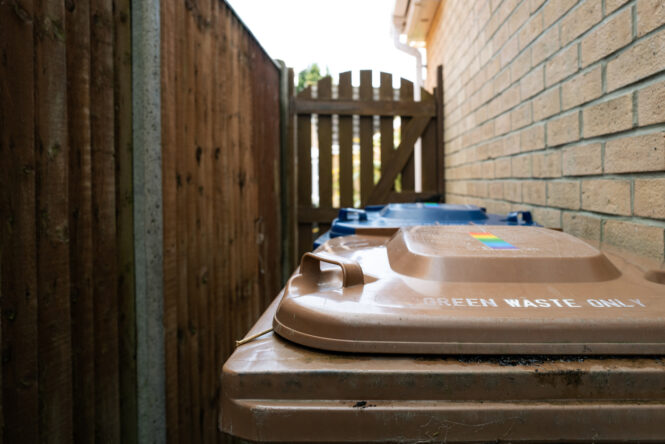
Where you have the option, storing your bin somewhere less visible, such as a back garden or behind a locked gate, is one of the most reliable ways to keep it secure. Not every property allows for this, but where it’s possible, it significantly cuts down the opportunity for anyone to simply walk off with it.
For anyone particularly concerned about what’s inside their bin, fitting a lock is another option to consider. Just remember you’ll need to head out and unlock it yourself on collection morning, or it won’t get emptied.