Potatoes have spent decades being blamed for things they probably don’t deserve.
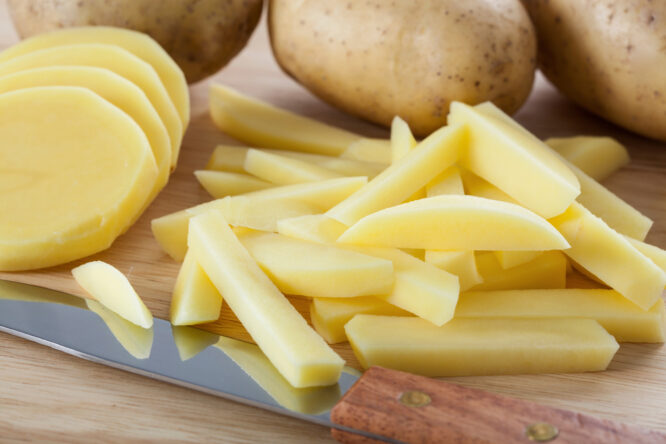
First it was fears about nightshade vegetables, then the low fat era told us mash and chips were the enemy, and more recently the low carb crowd has taken aim too. Through it all, actual consumption has dropped noticeably in favour of the frozen, deep-fried version most people default to instead. Nutritionists say that change misses the point entirely, and potatoes deserve a lot more credit than they get.
Potatoes are a whole food, not just starch.

Like most vegetables, potatoes offer far more than just carbohydrates. They’re a solid source of vitamin C, vitamin B6, fibre and, notably, potassium, particularly when eaten with the skin left on, according to nutrition experts. Potassium plays a real role in supporting heart health and maintaining healthy blood pressure.
In fact, potatoes rank among the highest potassium sources of any commonly eaten fruit or vegetable, and they even contain a small amount of plant-based protein too. It’s a nutritional profile that gets completely overlooked once potatoes get lumped in purely as a starchy side.
Yes, they’re a starch, but that’s not the whole story.
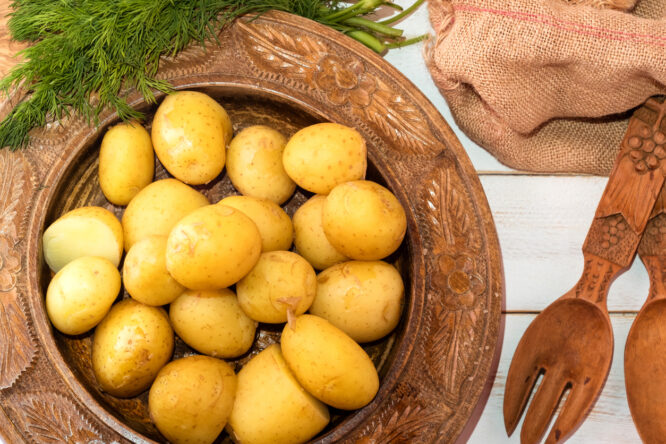
It’s true potatoes contain carbohydrates, and they do show up on the glycemic index, a scale used to measure how quickly a food raises blood sugar after eating. A plain baked Russet potato sits particularly high on this scale, while boiled new potatoes score considerably lower, especially when eaten skin on.
Different potato varieties behave differently here too, since Russets contain more of a starch that digests quickly, while waxier varieties like new potatoes contain more of a slower burning starch. But the glycemic index alone doesn’t tell the full story of how a potato actually affects your blood sugar once it’s part of an actual meal.
How you cook and cool your potatoes changes things.

One of the more surprising findings involves something called resistant starch, which forms when potatoes are cooked and then cooled. A potato that scores fairly high on the glycemic scale straight after cooking can drop significantly once it’s been chilled overnight, even if you reheat it the next day.
That resistant starch sticks around even through reheating, which means cooking a batch of potatoes the day before and warming them up later changes how your body processes them. It sounds simple, but it makes a real difference without requiring any change to what you’re actually eating.
What you eat alongside your potatoes matters just as much.
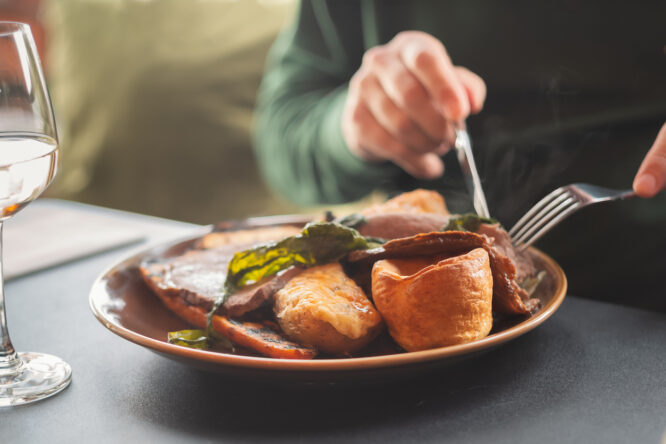
Most people don’t eat a plain potato on its own, and that context turns out to matter considerably. Topping a high glycemic baked potato with cheese brings its overall score down significantly, landing it firmly in low glycemic territory. Turning boiled, chilled potatoes into a potato salad, with a bit of fat and acidity added in, brings the number down even further.
It turns out the classic combination of potato salad, with its vinegar, oil, and other add-ins, does an effective job of softening the impact on blood sugar. Adding fat and acid to cooled potatoes appears to blunt the glycemic response considerably more than eating them plain.
Potatoes can still have a place in a diabetic diet.

Diabetics are often the group most cautious about carbohydrate heavy foods, yet experts still consider potatoes a reasonable part of a balanced diabetic diet. Rather than being avoided altogether, they’re generally recommended as part of the carbohydrate portion of a meal, alongside non-starchy vegetables and a source of lean protein.
Framed this way, potatoes aren’t treated as an occasional indulgence but as a legitimate, quality carbohydrate that fits comfortably into a wider, balanced plate when portioned sensibly alongside other food groups.
The nutrients aren’t only found in the skin.
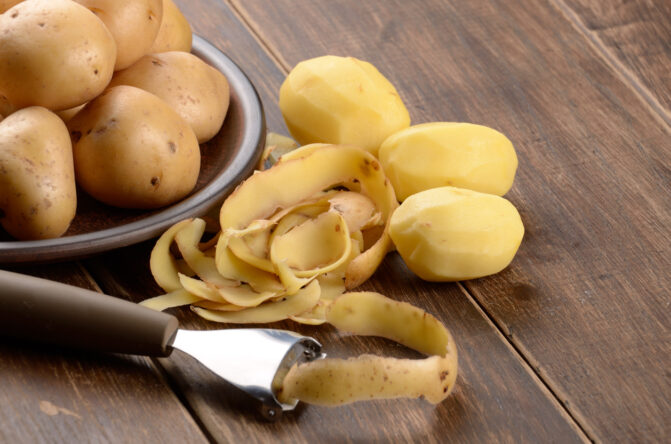
There’s a common belief that all a potato’s nutritional value sits in the skin, but that’s only part of the picture. A medium Russet potato contains a few grams of total dietary fibre, with roughly a third to half found in the skin and the rest present in the flesh itself.
The fibre in the skin is mostly insoluble, helping support healthy digestion, while the flesh contains a different type of soluble fibre, similar to what’s found in oats, which helps slow glucose absorption and supports healthy cholesterol levels. Together, both parts of the potato contribute something nutritionally useful, rather than the skin doing all the heavy lifting alone.
Carbs from potatoes aren’t something to fear.

While plenty of people are actively cutting carbs, endurance athletes have gone the opposite direction, and some even carry baked potatoes during long runs or cycling events as a natural alternative to processed energy gels. Research has found potatoes can fuel endurance exercise just as effectively as specially formulated carbohydrate products.
The overall message from nutritionists is fairly simple: potatoes don’t need to be avoided, they just benefit from being prepared thoughtfully. Boiling and chilling them beforehand, choosing new potatoes where it makes sense, and pairing them with a bit of fat and acidity all help make the most of what’s a truly nutritious vegetable.
Rather than treating potatoes as an occasional guilty pleasure, give them the same respect as any other vegetable, since a bit of thoughtful preparation goes a long way toward making them work harder nutritionally.