The new EU border system is one of those changes that sounds technical until you realise it could affect the very first part of your holiday.
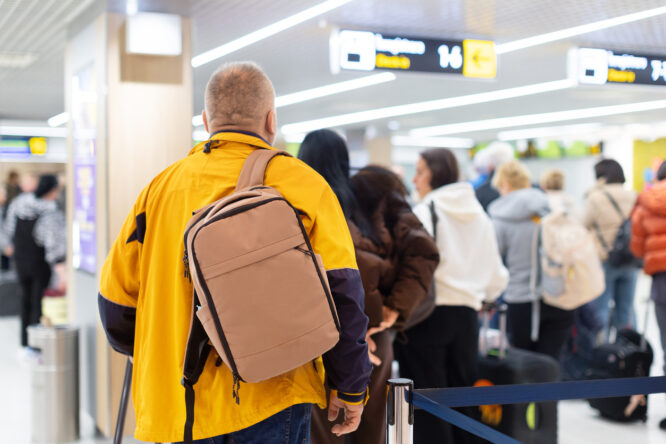
From 10 April 2026, many trips from the UK into Europe will involve digital border records, facial image capture, and fingerprints instead of the usual passport stamp. It’s designed to modernise border checks, but in the short term it could also mean longer queues and a slightly more involved arrival process. Here’s what you need to know about the change, and how it may (or probably will) impact your journeys.
What the EES actually is
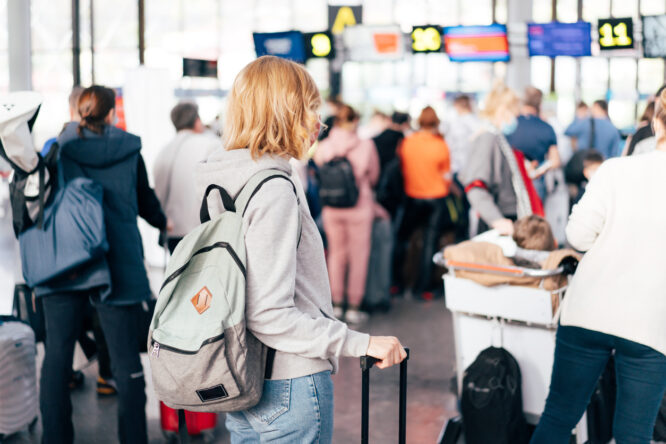
The Entry/Exit System, or EES, is a digital system that replaces manual passport stamping for non-EU travellers visiting for short stays. Instead of a stamp, your entry and exit are recorded electronically, along with any refusals of entry. It gives border authorities a clearer picture of who’s entering and leaving the Schengen area.
For travellers, it means the process becomes more data-driven. Your passport is still used, but it is combined with biometric checks like a facial image and fingerprints. It’s a noticeable change from the quick stamp system most people are used to, especially for UK travellers since Brexit.
When the full rollout starts
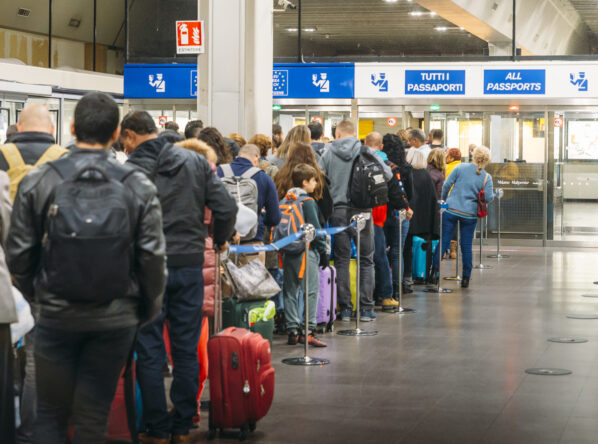
The system has been gradually introduced since October 2025, but 10 April 2026 is when it becomes fully operational across participating countries. From that point on, it will be the standard process, rather than something you might only encounter in certain places.
The timing is worth nothing because it’s coming into effect during a busy travel period. Early reports suggest queues may be longer than usual while everything settles, so travellers heading away soon after the rollout should expect a bit of disruption at first.
Who it applies to
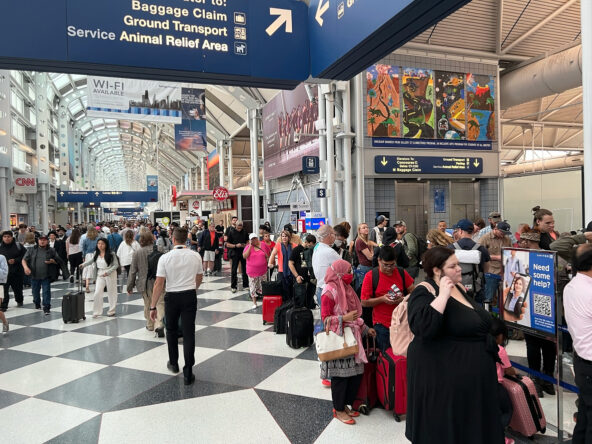
If you’re a UK citizen travelling to the Schengen area for a holiday or short visit, the EES applies to you. It covers non-EU travellers staying for up to 90 days in any 180-day period, whether the trip is for tourism or business.
The system is used across most EU countries plus Iceland, Norway, Switzerland, and Liechtenstein. Ireland and Cyprus are not part of it, which can catch people out, as travel rules still vary slightly depending on where you’re going.
Who doesn’t need to go through it
EU and Schengen citizens aren’t affected, naturally, and neither are people with long-term visas or residence permits in those countries. That means some non-EU nationals living in Europe will go through a different process. There are also smaller exemptions for certain groups, but for most UK travellers the simple rule is this: if you’re visiting for a short stay without residency rights, you’ll be going through EES.
What happens at the border
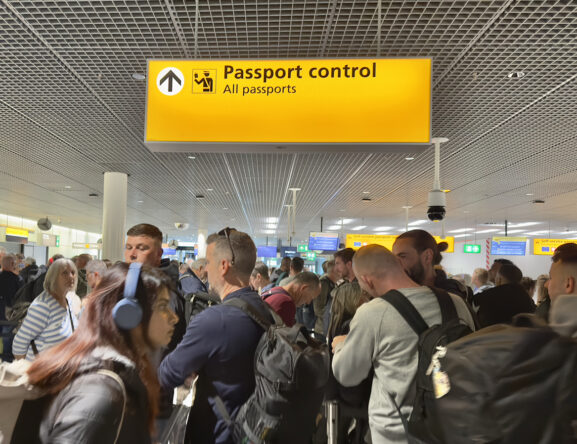
On your first trip under the new system, you’ll need to register your details at the border. Your passport will be scanned, and you’ll provide a facial image and fingerprints. This creates your digital record in the system. After that, future trips should be quicker because your data is already stored. The record is kept for up to three years or until your passport expires, so you won’t need to repeat the full process every time you travel.
Do you need a biometric passport?
You don’t strictly need a biometric passport to travel, but it can make things easier. Biometric passports can be used with self-service kiosks, which may speed up the process. If you have a standard passport, you can still travel, but you may need to go through a staffed desk instead. That could mean slightly longer wait times, especially during busy periods.
What data is collected
The system records your passport details, a facial image, and fingerprints. It also logs your entry and exit dates, which helps authorities track how long travellers stay in the Schengen area. Children under 12 don’t need to provide fingerprints, but they will still have a photo taken. Refusing to provide the required data means you can be denied entry, so it’s a required part of the process.
Do you need to register before travelling?

In most cases, no. Registration happens at the border when you arrive, so there’s no standard form to fill out before you travel for the EES itself. There is an official EU app that allows some travellers to pre-submit passport details and a photo shortly before arrival. It’s not mandatory and doesn’t replace the border check, but it may help speed things up where available.
Why delays are expected at first
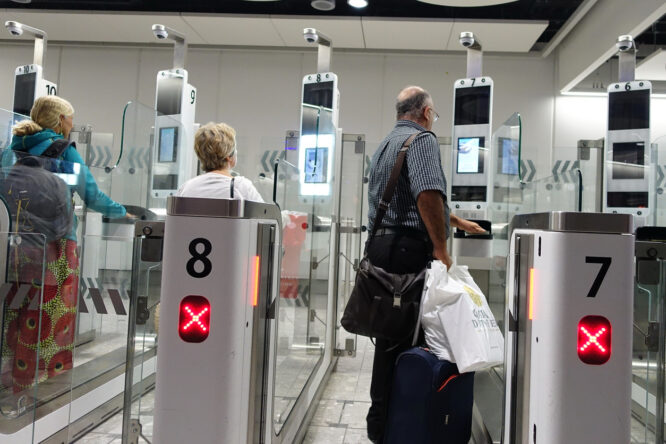
The main reason is simple, registering biometric data takes longer than stamping a passport. Early reports suggest queues could stretch to a couple of hours at peak times in some airports. That doesn’t mean every journey will be delayed, but it does mean travellers should expect some adjustment time. As staff and systems settle in, things are likely to improve, but the early phase could feel slower than usual.
How much earlier you should arrive
There’s no fixed rule, but it’s sensible to allow extra time, especially if you’re travelling soon after the full rollout. Border checks may take longer, and it’s not something you can rush through. If you’re travelling with family or during busy periods like school holidays, giving yourself more breathing room is the safer option. It’s much easier to wait at the gate than stress about missing your flight.
How this affects the 90-day rule

The EES doesn’t change the 90 days in 180 days rule for UK travellers. That rule is already in place for short stays in the Schengen area. What it does change is how strictly it’s tracked. With digital records replacing stamps, it becomes much clearer how long someone has stayed, so there’s less room for mistakes or guesswork.
What this means for UK travellers
In simple terms, travel to Europe isn’t becoming harder, just more structured. The biggest change is that your first trip under the system may take longer at the border and involve more checks than before. Once you’re registered, future trips should feel smoother. The best approach is to plan ahead, allow extra time, and go in expecting a slightly more detailed process rather than the quick stamp people were used to.
One thing people keep mixing up
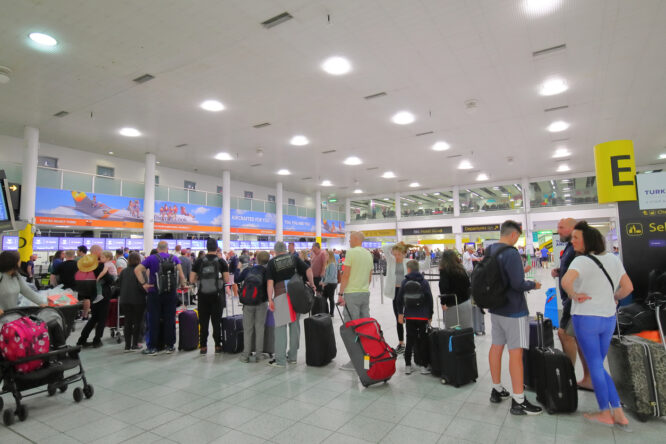
A lot of people confuse the EES with ETIAS, but they’re not the same. EES is the system being rolled out now, focused on recording entries and exits. ETIAS is a separate travel authorisation that is expected later. If you’re travelling soon, EES is the only new system you need to think about right now.