If you’ve finally managed to get your head around which plastic goes in which box, you might want to brace yourself because the way we handle our rubbish in England is about to get another massive overhaul.

From the end of March, new government rules are kicking in that aim to simplify the “postcode lottery” of recycling, but for most of us, it just means yet more changes to what we can chuck in the kitchen bin. It’s not just a case of the council being fussy; these are nationwide requirements designed to make sure every household is on the same page, regardless of whether you’re in Cornwall or Cumbria.
There’s a lot to get right if you want to avoid a nastygram left on your wheelie bin or, even worse, a fine for putting the wrong bag out on the wrong day. Here’s what you need to know.
The changes start at the end of March.
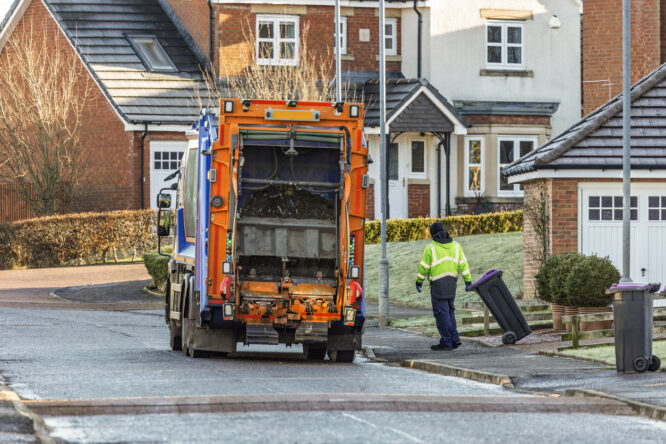
For households, the new system officially begins on 31 March 2026. That’s when councils across England are expected to start moving towards the updated collection setup, although how quickly it’s fully rolled out may vary depending on where you live. Businesses have already been dealing with similar rules since March 2025, so this is really about bringing households in line. If anything feels unclear locally, your council will usually publish updated guidance closer to the time.
This applies to all households in England.
The changes are being introduced across England, so wherever you live, the goal is for bin collections to follow the same structure. That includes houses, flats, and shared accommodation setups. It’s meant to remove the confusion where one area accepts certain materials and another doesn’t. Instead of checking local rules every time, the idea is that the basics will be consistent everywhere.
Everyone will move to four main types of waste.
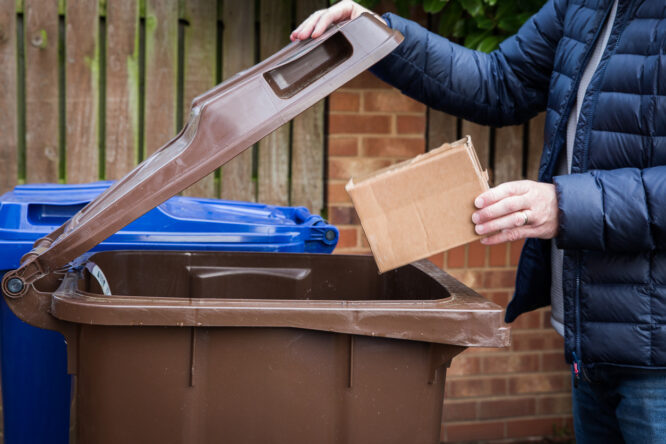
Under the new system, councils will need to collect four standard categories of waste. These are non-recyclable waste, food waste, paper and card, and mixed recycling like plastics, glass, and metals. They’re all meant to be separated rather than bundled together. That shift is a big part of making recycling more effective, as mixed waste often leads to contamination and more being sent to landfill.
Food waste collections will become more common.
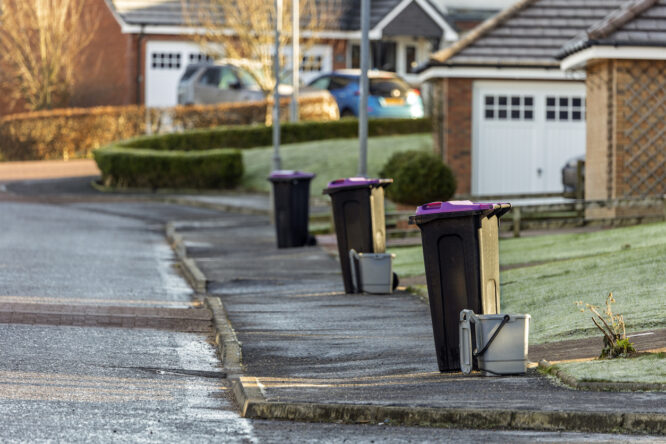
One of the biggest changes is the push for dedicated food waste bins. Not every household currently has one, but this will become a standard part of the system going forward. That means things like vegetable scraps, eggshells, and leftovers will have their own place instead of going into general waste. It should also help cut down on smells in regular bins if it’s used properly.
Paper and card will need to be kept cleaner.
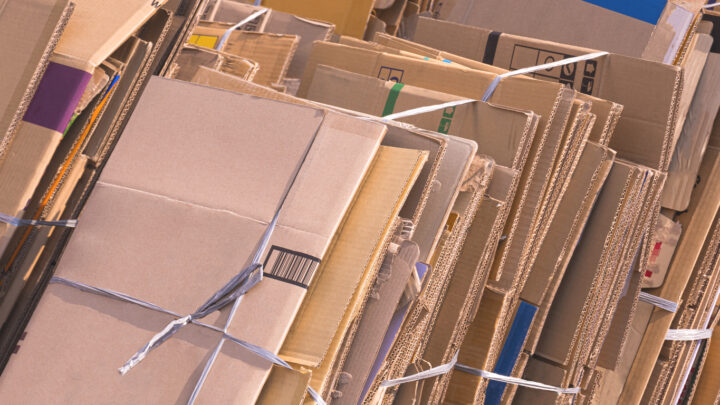
Paper and card will still be recyclable, but there are clearer expectations around condition. Items that are wet, greasy, or heavily contaminated won’t be accepted in this category. In other words, things like pizza boxes with food residue or heavily stained packaging may need to go elsewhere. Keeping this bin clean makes it easier for materials to actually be reused.
Mixed recycling covers most everyday packaging.
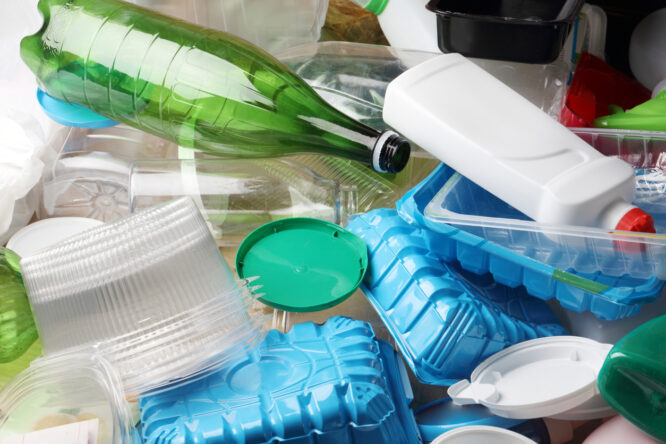
This category includes things like plastic bottles, food trays, cartons, tins, and glass jars. It’s the bin most people will probably use the most, as it covers a wide range of household packaging. However, not everything that looks recyclable belongs here. Items like broken glassware, ceramics, and certain plastics still fall outside the rules, which is where people often get caught out.
Some materials still won’t be accepted.
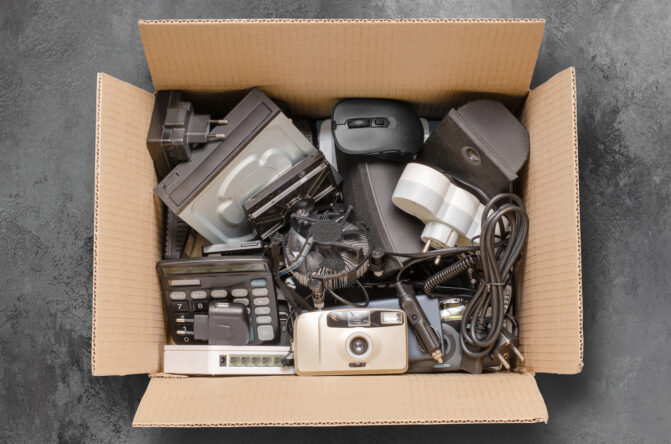
Even with a simplified system, there are still limits. Items like polystyrene, certain plastic films, electrical items, and anything contaminated with chemicals or paint won’t go in standard recycling. This is one area where people will still need to pay attention. The rules are clearer than before, but not everything can be processed through normal collections.
Non-recyclable waste will still have its own bin.
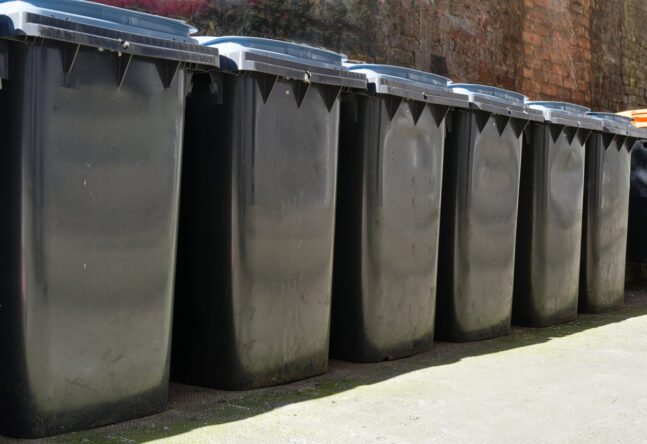
Anything that can’t be recycled will go into residual waste. That includes things like nappies, used kitchen roll, and packaging that can’t be cleaned properly. While the aim is to reduce how much ends up in this bin, it’s still an important part of the system. Not everything can be reused, and this is where those items belong.
The goal is to make recycling less confusing.
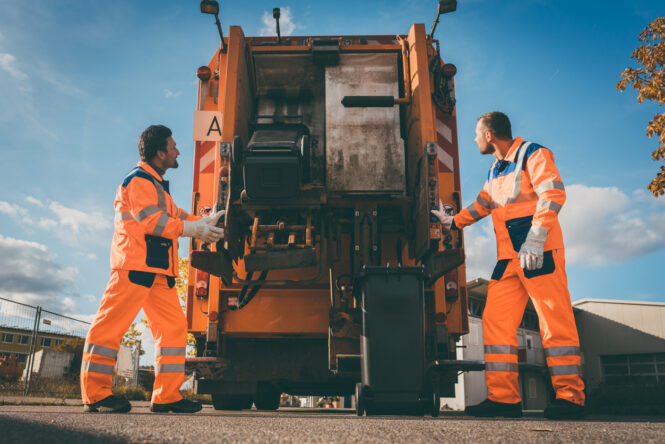
One of the main reasons behind the changes is to get rid of what’s often called the postcode lottery. Right now, recycling rules can vary quite a lot depending on your council. By standardising the system, the government hopes people will be more confident about what they can recycle, which should lead to better overall participation.
Recycling rates have been stuck for years.
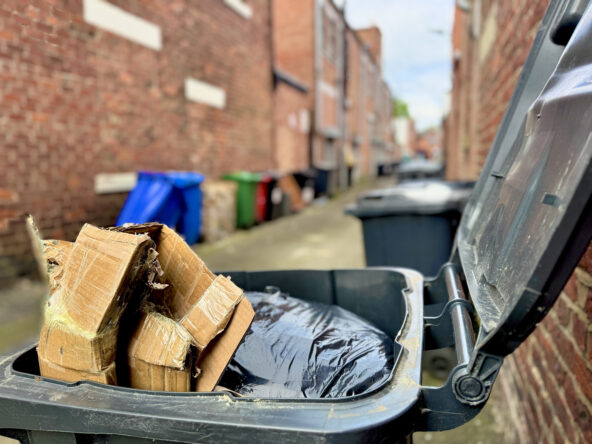
Across the UK, recycling levels have hovered below 45% for a long time. That’s part of why there’s a push to change how things are collected and sorted. The long-term aim is to reach around 65% by 2035, which would be a significant jump. Making the system easier to follow is seen as one way to get there.
Some homes currently deal with far more bins.
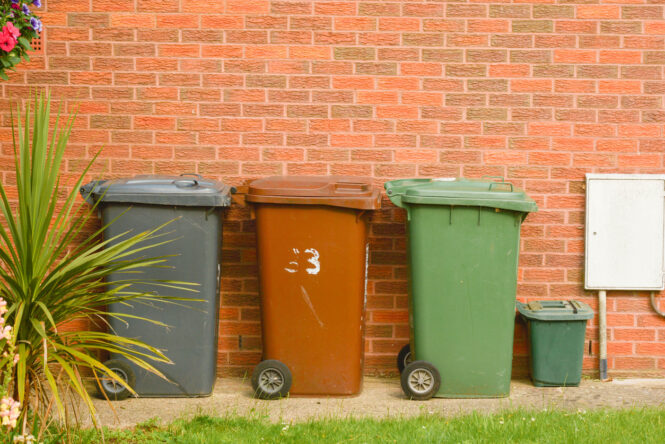
In some areas, households have had to juggle multiple bins for different materials, sometimes up to six or seven depending on local rules. The new approach is meant to simplify that. While you’ll still need to separate waste, the structure should feel more consistent and manageable.
Plastic film recycling is coming later.
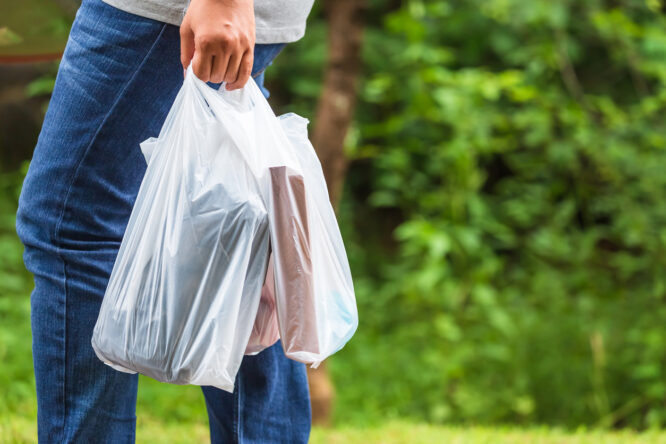
Not everything is changing at once. Plastic film, like carrier bags and soft packaging, won’t be included in standard collections until March 2027. For now, those items still need to be handled separately, often through supermarket collection points. It’s one of the final pieces still to be added to the system.
You may need to adjust how you sort waste at home.
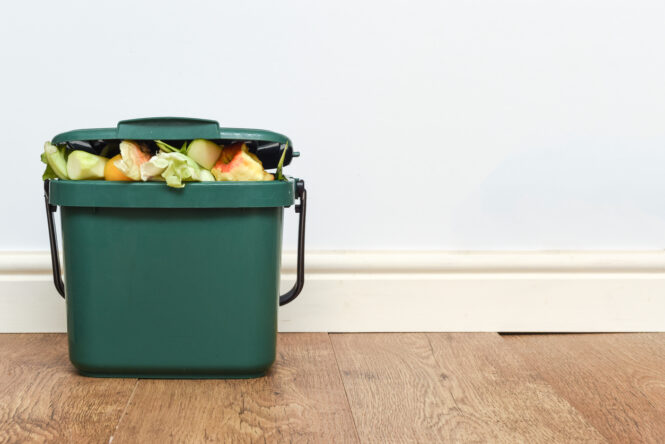
Even if your council already has recycling in place, you might need to tweak how you separate things. Food waste, in particular, could be a new step for some households. It’s worth taking a few minutes to understand what goes where once your local changes come into effect, as small mistakes can affect entire batches of recycling.
Local councils will still handle the details.

Although the categories are being standardised, councils are still responsible for how collections actually work. That includes schedules, bin types, and how often things are picked up. So while the rules are becoming more consistent, there may still be small differences in how they’re delivered locally. Checking your council’s guidance will always be the safest bet.
The overall aim is a simpler, more reliable system.
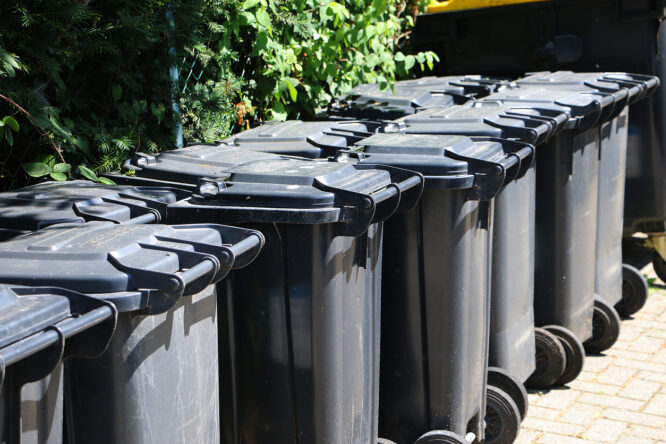
At its core, this change is about making recycling feel less like guesswork. When people know what to do without having to double-check every item, they’re more likely to stick with it. If it works as intended, it should mean less waste going to landfill, fewer mistakes in recycling, and a system that feels easier to follow day to day rather than something you have to think about constantly.
For more information on the changes, check out the GOV.UK website for a full outline.