Solar panels have gone from a niche eco upgrade to something a lot of UK households are seriously weighing up, especially with energy bills still feeling unpredictable.
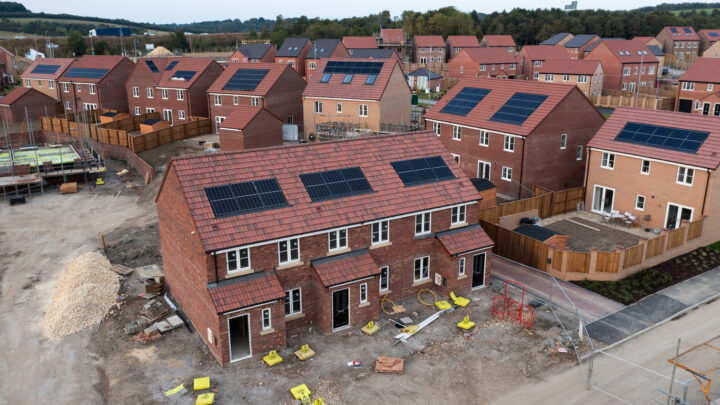
If you’re tired of the sales pitch from installers, the real answer to whether solar panels are worth it is that it depends entirely on your roof and your routine. While the tech has become much more efficient in 2026, the days of the government handing out massive subsidies are long gone, meaning the maths has to work on its own merits.
It’s not just about the upfront cost of the kit anymore; it’s about how much of that free power you can actually use before it gets dumped back into the grid for a pittance. For some, it’s a brilliant way to slash bills and get some independence from the energy companies, but for others, it’s just a £7,000 ornament that’ll take decades to pay for itself. Here’s the unfiltered truth about the current costs, the “smart” export rates, and how to tell if your house is actually a good fit.
How solar panels actually work in the UK
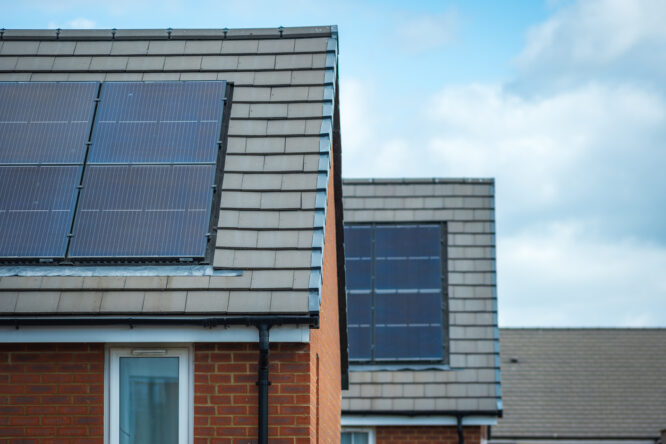
Solar panels generate electricity using daylight rather than direct sunlight, which is why they still work on overcast days and through most of the year in the UK. They’re made up of photovoltaic cells that convert light into electricity, and while output is stronger in summer, they continue producing smaller amounts even in winter. It’s not about constant sunshine, it’s about consistent exposure to daylight.
That electricity flows straight into your home first, powering whatever is running at that moment, whether that’s appliances, heating systems, or background usage like routers and fridges. If your panels produce more than you need, the excess is sent back to the grid automatically. You don’t have to manage it manually, it’s all handled through your system, which makes it feel pretty seamless once it’s up and running.
How much solar panels cost right now
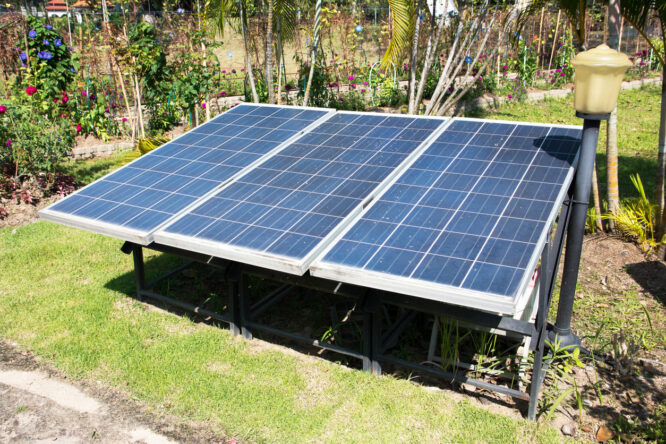
The upfront cost is still the biggest hurdle for most households. A typical system for a standard UK home usually lands somewhere between £5,000 and £7,000, depending on the size of the system, the quality of the panels, and who installs them. If you start adding extras like battery storage, the price can climb quite quickly beyond that range.
This is why solar isn’t something that pays off straight away. You’re putting down a fairly large amount upfront, and the return comes slowly through reduced bills over time. For homeowners planning to stay put for a number of years, it can make sense, but if you’re likely to move sooner, the numbers become harder to justify.
How much you can actually save
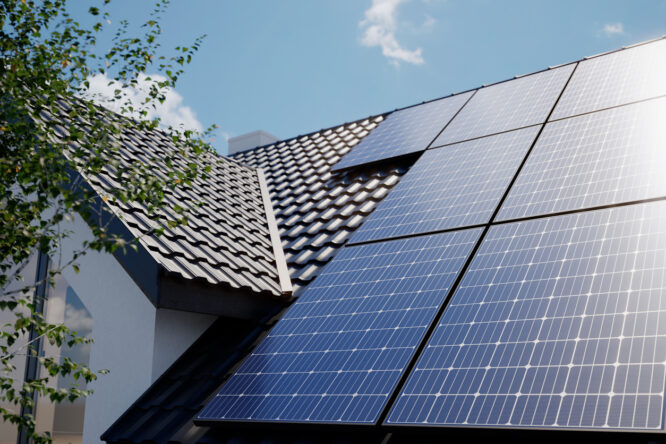
The amount you save comes down to how much of your generated electricity you actually use yourself. Homes where people are in during the day tend to benefit more because they can run appliances directly off solar power instead of paying for electricity from the grid. That immediate use is where the strongest savings come from.
If your home is empty for most of the day, more of your electricity ends up being exported instead. While you do get paid for that, the rate is usually lower than what you’d pay to buy electricity, so the financial return is smaller. Over a year, many households still save a few hundred pounds, but the difference between lifestyles can be quite noticeable.
What the break-even point looks like
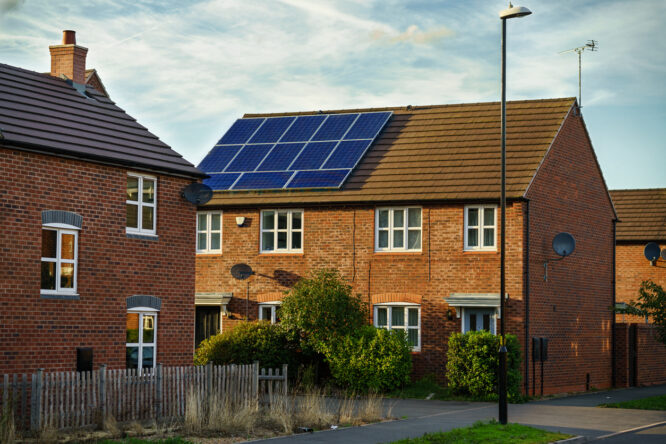
Because of the upfront cost, solar panels take time to pay for themselves. For many UK households, the break-even point tends to sit somewhere around 10 to 15 years, depending on how much electricity you use and how efficiently your system performs. It’s not a short-term gain, it’s more of a slow build.
Once you pass that point, the electricity your panels generate is effectively free, which is where the long-term value really shows. Panels can continue working for 20 years or more, so there is a window where you’re benefiting without still trying to recover your initial spend.
What the smart export guarantee is
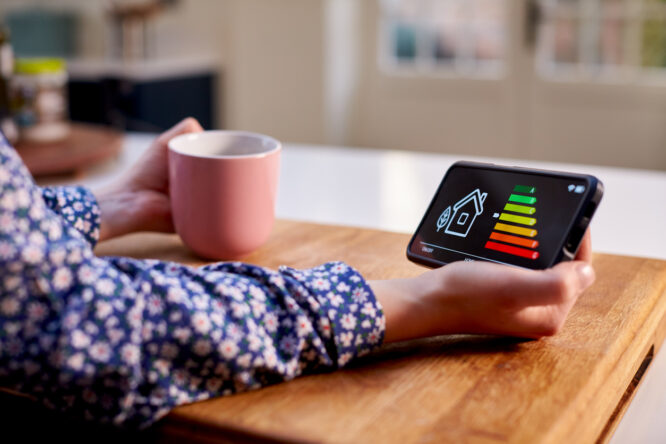
The Smart Export Guarantee is the scheme that allows you to earn money from any unused electricity you send back to the grid. Energy suppliers set their own rates, which means what you earn can vary depending on who you sign up with. It’s worth checking the better-paying tariffs rather than sticking with the default option.
That said, export payments are usually modest compared to the cost of electricity you buy from the grid. That’s why solar tends to work best when you’re using as much of your own power as possible, with export acting as a helpful extra rather than the main source of savings.
Why daytime usage makes a big difference
Your daily routine has a surprisingly big impact on how effective solar panels are financially. If someone is home during the day, even part-time, they can shift certain activities like laundry or cooking into daylight hours and make direct use of the electricity being generated.
In households where everyone is out from morning until evening, most of the generated electricity ends up being exported instead. It still has value, but it doesn’t stretch as far financially, which means your overall return builds more slowly compared to a home that can use more energy in real time.
Should you get a battery with your panels?
A solar battery lets you store excess electricity instead of sending it straight back to the grid. That means you can use your own solar power later in the evening when your panels aren’t producing anything, which can make the system feel more consistent across the day.
The trade-off is cost. Batteries can add a few thousand pounds to your setup, which increases the overall investment and extends the time it takes to break even. For some households, especially those out during the day, it can improve efficiency, but financially it doesn’t always pay off as quickly as panels alone.
What kind of roof you need
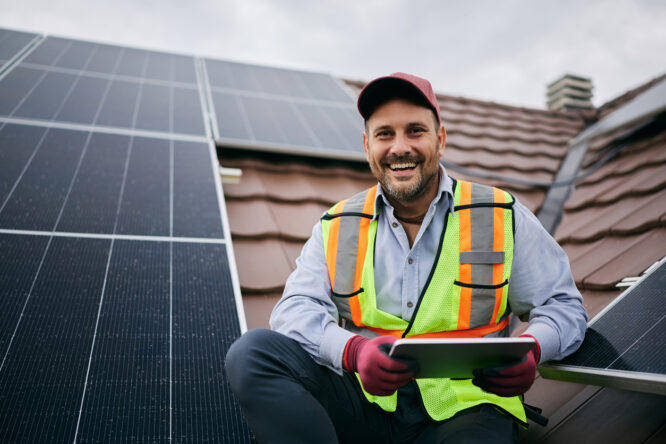
The direction and condition of your roof play a big role in how well solar panels perform. South-facing roofs tend to generate the most electricity, but east and west-facing roofs can still be worthwhile depending on your setup and usage patterns.
Shade is one of the biggest limiting factors. Trees, neighbouring buildings, or even chimneys can reduce how much sunlight reaches your panels. A good installer will assess this properly before you commit, so you have a realistic idea of what your system will actually produce.
How long solar panels last
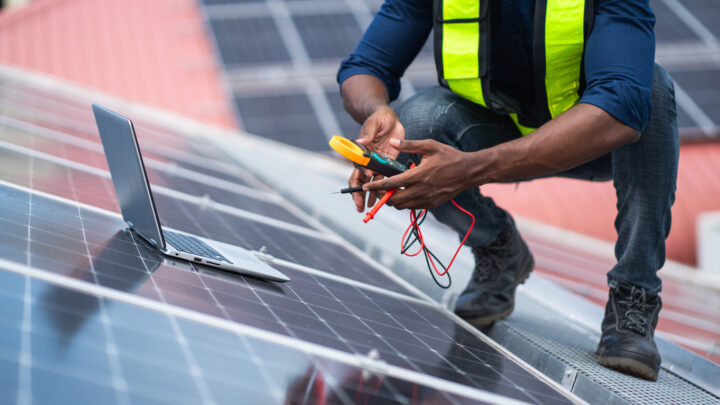
Most solar panels come with warranties of around 20 to 25 years, but they often keep generating electricity beyond that. They don’t suddenly stop working, they just gradually become a bit less efficient over time, which means slightly lower output as the years go on.
In terms of maintenance, there’s not much to worry about. They don’t have moving parts, so aside from occasional checks or cleaning if dirt builds up, they tend to just run without much involvement. That low-maintenance aspect is part of what makes them appealing.
Does solar add value to your home?
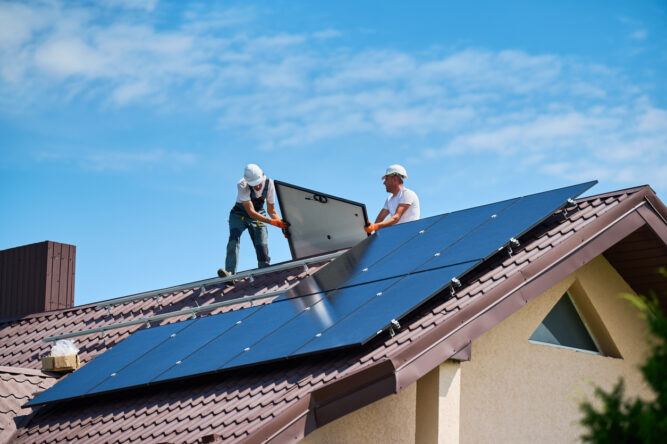
Solar panels can make a property more attractive to buyers, particularly at a time when energy efficiency is a bigger concern than it used to be. Lower running costs are an easy selling point, especially for buyers thinking long-term.
It doesn’t always translate into a fixed increase in house value, but it can make your home stand out compared to similar properties. In some cases, it can also help a property sell more quickly, which has its own kind of value.
Are there any grants or help available?
There aren’t many widespread grants for solar panels anymore, but there are still some schemes depending on your circumstances, particularly through local councils or energy company initiatives aimed at improving home efficiency.
One consistent benefit is that solar panel installations are currently zero-rated for VAT in the UK, which reduces the upfront cost slightly. It’s not a huge saving, but it does take a bit of the edge off compared to previous years.
Is solar actually worth it right now?
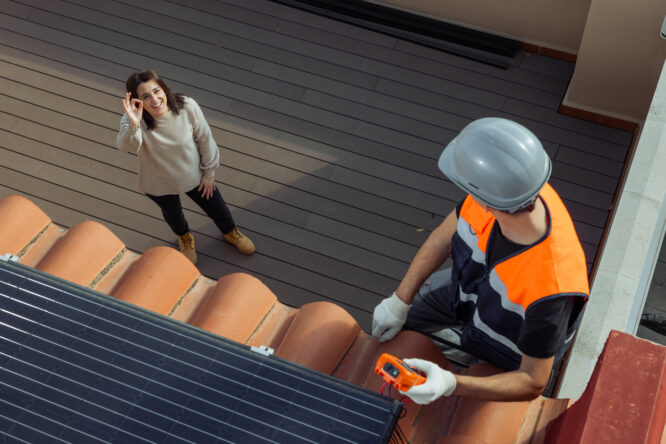
Solar panels can be worth it for many UK households, but only if you approach it with realistic expectations. It’s not an instant fix for high energy bills, and the upfront investment is still pretty hefty, which means it requires a longer-term mindset.
For people who are settled in their homes and can use a decent amount of electricity during the day, it can gradually bring costs down and offer a bit more control over energy use. It’s less about quick wins and more about steady, long-term savings that build over time.