Most of us treat the garage like a giant dumping ground for anything that doesn’t fit in the kitchen cupboards or the spare room.
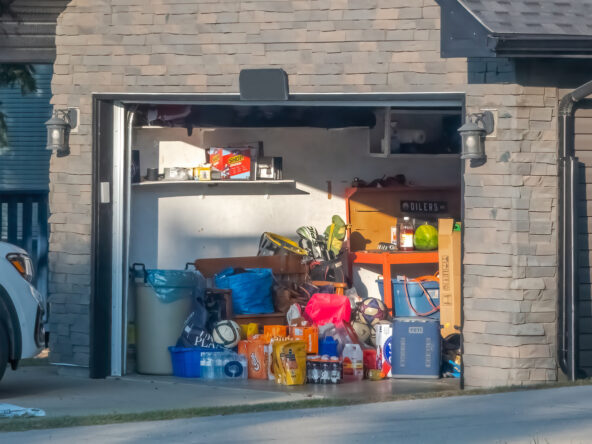
It feels like the perfect spot to tuck away those extra bulk buys or seasonal bits and bobs, but the reality is that the average British garage is a nightmare for anything remotely sensitive. Between the damp, the spiders, and the fact that the temperature swings from a freezer in winter to an oven in summer, you’re basically putting your belongings through an endurance test they’re not built to survive.
This is about more than just keeping things from getting a bit dusty; for these 10 specific items, leaving them out there is a surefire way to end up with a pile of ruined gear or, in some cases, a genuine safety hazard that breaks UK fire and storage guidelines without you even realising it. With that in mind, you’ll want to avoid storing these things in your garage, no matter how convenient it might be.
1. Petrol and fuel cans
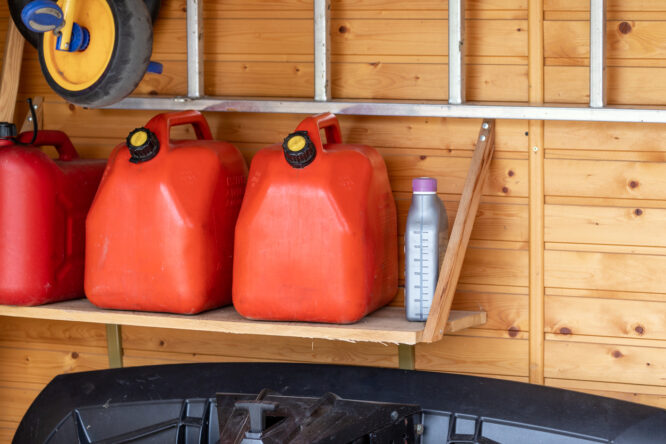
It’s very common to keep a spare can of petrol in the garage, especially for lawnmowers or emergencies, but there are strict rules around how much you can store. In the UK, you can only keep up to 30 litres at home without notifying authorities, and it must be stored in proper containers, not just anything lying around.
Even within that limit, it needs to be kept in a well-ventilated area, away from heat or anything that could spark a fire. If you’re storing fuel in your garage, the safest move is to keep it minimal, use approved containers, and avoid storing it near tools, boilers, or anything electrical.
2. Gas bottles and LPG cylinders
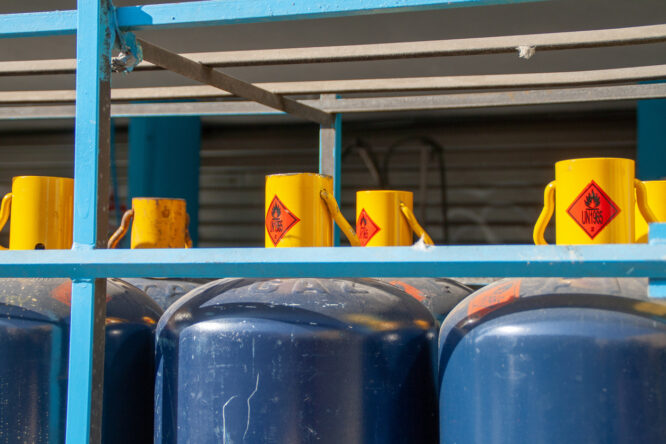
Gas bottles are one of the biggest no-go items for garages, especially propane. UK safety guidance is clear that propane cylinders should be stored outside in a well-ventilated space, not in enclosed areas like garages.
If you’ve got gas for a BBQ or heater, it’s much safer to keep it outdoors, upright, and away from doors or drains. Garages trap gas if there’s a leak, which creates a serious explosion risk, so this is one area where it’s really not worth cutting corners.
3. Large amounts of paint and solvents
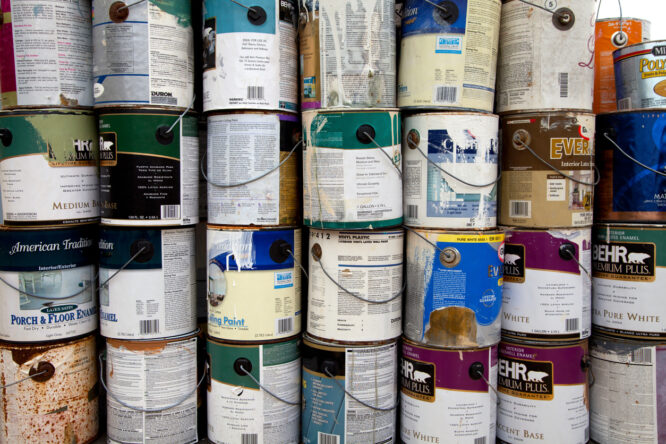
Paint tins and solvents often end up stacked in garages, but many of these are flammable and can degrade over time, especially in fluctuating temperatures. Garages tend to get very cold in winter and hot in summer, which can affect the stability of these materials.
While there isn’t a strict legal limit like with petrol, the safety guidance is the same, keep flammable liquids in a cool, ventilated place and away from ignition sources. If you’ve got loads of old tins, it’s usually better to dispose of what you don’t need rather than letting it build up.
4. Old electricals and lithium batteries
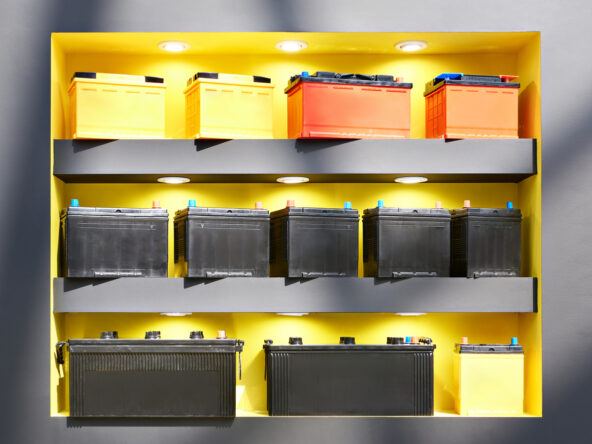
Things like old laptops, power tools, and spare batteries often get left in garages, but lithium batteries don’t cope well with extreme temperatures. Over time, they can degrade, leak, or in rare cases, become a fire risk.
If you’ve got spare batteries or devices you still use, it’s better to keep them inside the house, where temperatures are more stable. For anything you’re not using anymore, proper recycling is the safer option instead of leaving them forgotten in a corner.
5. Food, pet food, and anything edible
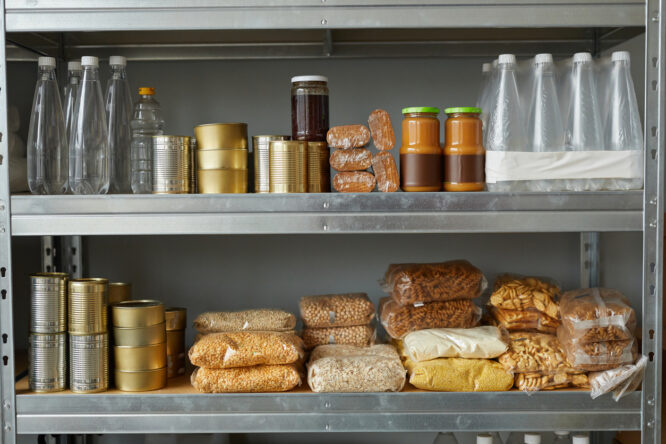
It might seem harmless to store extra food or pet supplies in the garage, but it often leads to bigger problems. Garages aren’t sealed the same way as your home, which makes them an easy target for pests like mice and insects.
Once something gets into one bag or box, it can spread quickly. Dry food should always be stored in airtight containers and ideally kept indoors. Otherwise, you’re likely to end up dealing with contamination or unwanted visitors.
6. Important paperwork and valuables

Garages are one of the worst places to store anything important. They’re more exposed to damp, temperature changes, and potential break-ins, which can damage or destroy documents after a while.
If you’ve got paperwork, photos, or anything you’d hate to lose, it’s far better kept inside in a dry, stable environment. A simple storage box indoors will protect it far more than a shelf in the garage ever will.
7. Clothing, fabrics, and soft furnishings
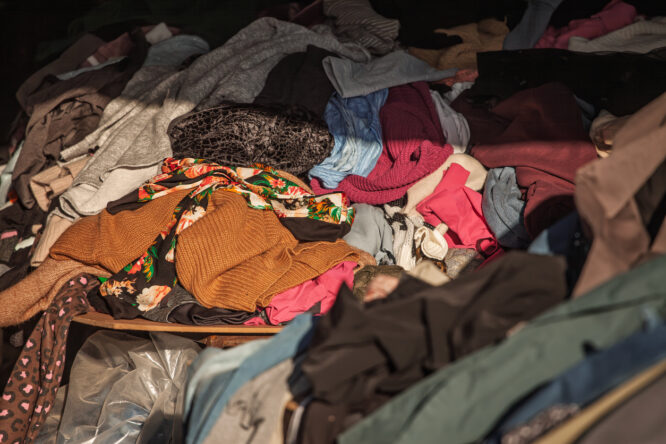
Clothes and fabrics often end up in garages during clear-outs, but they don’t stay in good condition for long. Damp air, dust, and pests can all damage them, even if they’re packed away.
If you do need to store these items, vacuum-sealed bags and indoor storage are a much better option. Otherwise, you’ll likely find they smell musty or are damaged when you come back to them.
8. Wood, cardboard, and clutter piles
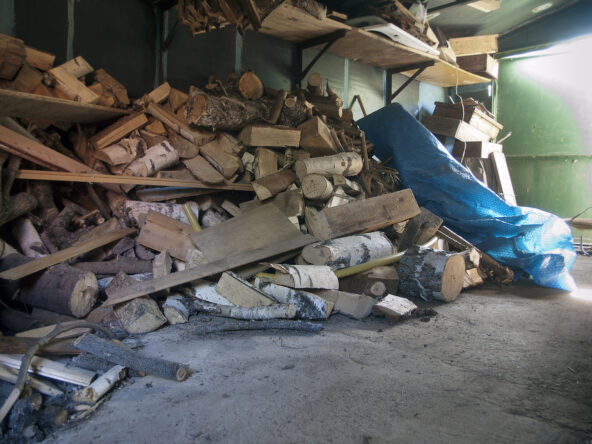
Stacks of cardboard boxes, spare wood, and general clutter might seem harmless, but they can become a fire risk, especially if stored near anything electrical or flammable. They also make it easier for a fire to spread quickly if one starts.
Keeping your garage organised and reducing unnecessary clutter isn’t just about space, it’s about safety. Clearing out what you don’t need and storing essentials properly makes a big difference in the long run.
9. Fridges and freezers without proper ventilation
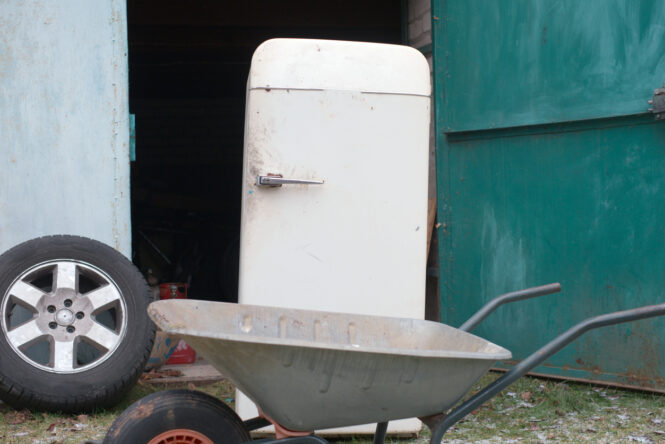
Many people move old fridges or freezers into the garage, but they don’t always work properly in colder temperatures. In winter, some appliances can struggle to maintain the right internal temperature, which can affect food safety.
If you’re using a fridge or freezer in the garage, it needs proper ventilation and should be suitable for colder environments. Otherwise, it’s better to keep it indoors where conditions are more stable.
10. Anything you actually use every day
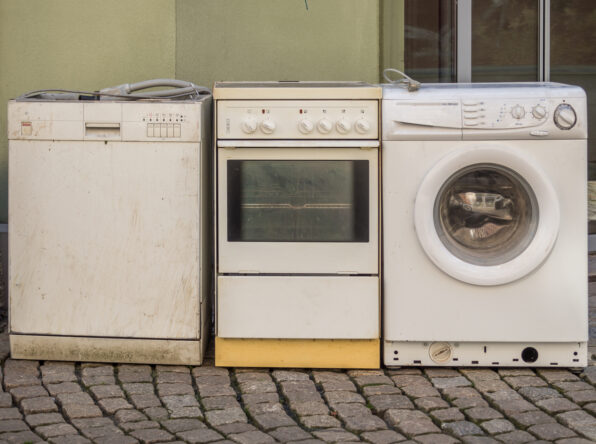
One of the simplest mistakes is storing everyday items in the garage just because there’s space. If you’re constantly going back and forth to get something, it’s probably in the wrong place.
Garages are best used for tools, outdoor equipment, and things that can handle rougher conditions. For anything you use regularly, keeping it inside makes life easier and reduces wear and tear over time.