Raising thoughtful kids doesn’t require perfect parenting or teaching big, dramatic lessons.

It’s usually down to the smaller moments that impact and inform how they see the world. It’s the way we respond when they’re confused, upset, curious, or even just a bit cheeky. These are the everyday choices that teach them empathy, emotional awareness, and how to treat other people. Here are some little moments that might not seem huge at the time, but can make a lasting difference in raising a child who genuinely thinks and cares deeply.
1. When you apologise to them like you mean it
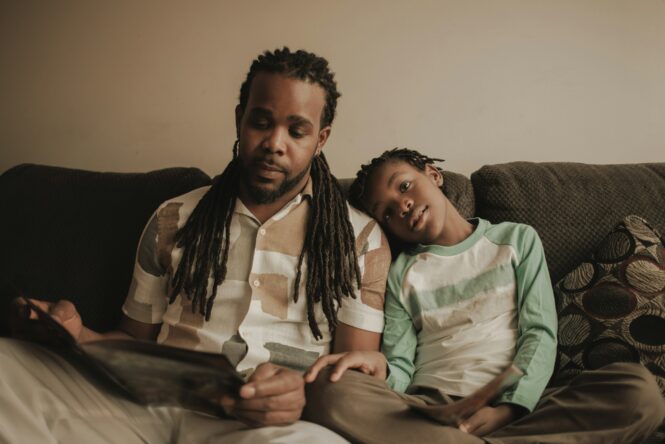
Saying “sorry” to your child when you lose your temper, get something wrong, or act unfairly teaches them that respect goes both ways. You’re not displaying weakness in any way. You’re showing them what accountability looks like in real life. Kids learn more from what you model than what you preach. When they see an adult admit fault without defensiveness, they learn that it’s okay to be wrong, and that kindness doesn’t have to come with ego attached.
2. When you let them feel uncomfortable emotions without fixing them

It’s tempting to swoop in and distract them when they’re sad, angry, or scared. But letting them sit with hard feelings, while staying close and calm, teaches them that emotions aren’t something to avoid or be ashamed of. In those moments, you’re showing them that big feelings can be felt and survived. That people don’t disappear just because you’re upset. That empathy often means holding space, not rushing in with solutions.
3. When you talk about your own feelings honestly

Kids watch how we handle emotion. When they hear you say things like, “I’m feeling a bit stressed today, so I might be quieter than usual,” they learn that naming emotions is normal, not something to hide or fear. This helps them build emotional vocabulary and confidence. Instead of thinking feelings are confusing or scary, they start to understand that emotions are just part of being human, and that talking about them is a strength, not a flaw.
4. When you let them help, even if it slows you down

Letting your child help make dinner, fold laundry, or carry groceries might take longer, but those moments make them feel capable and included. It teaches them that contribution matters, even when it’s small. It also shows that helping isn’t a chore; it’s a way of being part of something. Kids who are included in everyday tasks tend to grow up with a stronger sense of responsibility and connection to the people around them.
5. When you let them overhear you being kind about them

What kids overhear about themselves sticks. If they catch you telling a friend, “He was so thoughtful today,” or “She was really patient with her sister,” it reinforces those qualities in a way no lecture ever could. It builds their self-image in a quiet, powerful way. They don’t feel like they’re being praised for your approval; they feel seen. When kids believe they’re capable of kindness, they tend to grow into it even more.
6. When you step in gently during unkind moments

If your child says something mean or dismissive to someone—sibling, friend, or stranger—how you handle it matters. Calling it out calmly, without shaming, teaches them that words have weight and that empathy doesn’t come with exceptions. It helps them connect cause and effect: what you say impacts how other people feel. When that’s taught with understanding instead of harshness, kids are much more likely to reflect and grow, not just avoid punishment.
7. When you let them be bored without rescuing them

It’s easy to jump in with entertainment when they’re restless, but boredom is actually a gateway to imagination, self-direction, and reflection. Letting them sit in it without rushing to fill the silence gives their brain space to wander. It teaches patience and creativity. Thoughtfulness grows when kids aren’t constantly overstimulated, when they have the time to wonder, explore, or just stare out the window and think. That’s when quiet awareness starts to build.
8. When you model curiosity instead of pretending to know everything

If your child asks a question you don’t know the answer to, admitting it and saying, “Let’s look it up together,” shows them that not knowing isn’t a failure, it’s an opportunity. That mindset sticks. It teaches them that thoughtful people aren’t the ones with all the answers. They’re the ones who keep asking good questions, and that it’s okay to say “I don’t know,” as long as you’re willing to learn.
9. When you respect their boundaries

Whether they don’t want to be tickled, hugged, or asked personal questions in front of other people, honouring that teaches them their body and voice matter. It helps them build a healthy sense of autonomy and mutual respect. When they see that boundaries are listened to, they’re more likely to respect other people’s too. It becomes less about control and more about understanding where the emotional lines are in any relationship—something many adults still struggle with.
10. When you let them see you being kind to strangers

Kids notice how you speak to shop staff, neighbours, delivery drivers, or people who can’t offer you anything in return. Every moment of quiet respect teaches them that kindness isn’t just for family; it’s a way of moving through the world. These everyday conversations stick. They become part of the backdrop for how your child treats people when no one’s watching. And they learn that being thoughtful isn’t something you turn on. It’s just who you are.
11. When you celebrate effort, not just outcome

When your child tries something new, whether it’s drawing a picture or being brave at the dentist, noticing their effort builds self-worth in a much deeper way than focusing on results. It teaches them that value isn’t always measured by achievement. This builds resilience and curiosity. They start to see learning as a process rather than a test. That’s where thoughtfulness begins, in the space where trying matters just as much as succeeding.
12. When you listen fully, even when it’s about Minecraft or bugs

When you give your full attention to the things they care about, even if it’s not your thing, you show them that their inner world matters. That tells them they’re worth listening to, not just when it’s convenient or interesting to you. Listening actively builds emotional safety. It teaches them how to listen back, and that what matters to someone doesn’t have to be exciting to be worth your presence. That’s the foundation of empathy right there.
13. When you slow down and let them lead sometimes

Letting them decide the route on a walk, pick the story, or tell you how they’d handle something shows them that their thoughts have weight. It reminds them they’re not just being shaped, they’re active participants in their own life.
When kids feel trusted to lead in small ways, they grow up more confident in thinking things through, and more willing to consider how their choices affect other people. That kind of thoughtfulness starts with being treated like a whole person early on.