Dating these days feels less like a rom-com meet-cute, and more like navigating a minefield with no map.

People talk about “putting yourself out there” like it’s easy, but the truth is that modern dating can be weirdly brutal. Between apps, casual culture, and emotional unavailability being practically trendy, a lot of people are walking away more anxious than smitten. If dating leaves you more drained than excited, here’s proof that you’re not imagining it.
Ghosting is the new “sorry, I’m not feeling it.”

Instead of having an awkward but honest conversation, people now vanish into thin air like it’s completely normal. One minute you’re swapping playlists, the next they’ve evaporated with no explanation, and somehow you’re left wondering what you did wrong.
Ghosting creates this weird loop of second-guessing because there’s no closure. It leaves space for overthinking, and it trains people to expect sudden abandonment rather than clear communication. Not exactly the foundation of emotional safety.
Everyone’s keeping one foot out the door.

We’re living in the age of “talking but not dating,” “seeing each other but not exclusive,” and a never-ending carousel of maybe-relationships. There’s a general vibe of don’t get too attached, which is great if you’re emotionally detached—but exhausting if you’re not.
That low-commitment culture can make you feel like you’re not allowed to care too much, even when you genuinely do. You start guarding your emotions before anything’s even happened, just to avoid looking foolish.
Vulnerability feels like a liability.

Opening up too soon? You risk being labelled intense. Waiting too long? Now you’re emotionally unavailable. It feels like there’s no right time to be honest about how you feel without it being turned into a red flag. When people punish honesty or use vulnerability as a way to get power, it becomes hard to trust anyone at all. So even kind, genuine people start playing it cool, and dating turns into a performance instead of a connection.
Emotional unavailability is somehow trendy now.

There’s this weird glorification of being detached, chill, and unfazed by everything. People talk about feelings like they’re outdated. “Catching feelings” is a meme, not a moment. Emotionally closed-off behaviour is practically fashionable. The problem is, real relationships need, well… emotions. When people are more afraid of looking vulnerable than they are of losing a good thing, that doesn’t leave much room for anything meaningful to grow.
Apps make people feel disposable.
You can swipe through hundreds of profiles in minutes. It’s efficient, yes, but it also encourages the idea that people are interchangeable. If one match doesn’t reply in ten minutes, you’ve got five more lined up. That “onto the next” mindset doesn’t make anyone feel valued. It creates this pressure to be constantly impressive, constantly available, and constantly fine with being passed over without a word. Not exactly cosy emotional territory.
Mixed signals are everywhere.
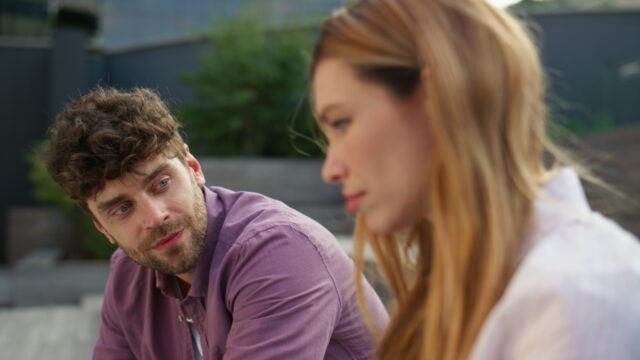
They like your story, message you at 1am, but say they’re not looking for anything serious. You go on dates, but they say they “don’t believe in labels.” It’s emotional whiplash, and it’s exhausting. Mixed signals keep you stuck in limbo, questioning what’s real. It’s hard to relax or be yourself when you’re busy decoding every text like it’s a cryptic crossword. Safe connection needs clarity, not constant confusion.
Love-bombing is more common than you think.

Some people come on strong, fast. Big declarations, daily texts, compliments galore until suddenly, the energy vanishes. That’s love bombing: intense affection used to pull you in, then withdrawn without warning. It can be deeply destabilising, especially if you’re someone who bonds quickly. What felt like a fairytale turns into emotional whiplash, and it leaves you wary of anyone who’s genuinely enthusiastic later on.
Honesty is often met with confusion.

You say, “I’m looking for something real,” and suddenly people start treating you like you just asked them to move in next week. It’s weird how expressing basic intentions now feels “too forward.” When honesty gets met with panic or avoidance, people start hiding their real desires. That leads to more ambiguity, more games, and more people pretending they’re fine with casual when they’re not.
People assume everyone’s dating multiple people.

There’s often this built-in expectation that no one’s ever fully present because they’re always talking to someone else on the side. It creates low trust before anything even starts, and you can feel it in every interaction. Even if you’re showing up with full attention, you might constantly wonder if they’re doing the same. That uncertainty gets in the way of feeling safe enough to open up properly.
People avoid tough conversations at all costs.

Instead of saying, “This isn’t working,” they just fade out. Instead of discussing expectations, they dodge the question. Conflict avoidance is everywhere, but so is emotional messiness because of it. Without honest conversations, small issues pile up and big feelings get buried. It’s hard to build something stable when everyone’s scared of discomfort, especially when honesty is what makes connection feel safe.
There’s pressure to be “chill” about everything.

You like someone? Don’t act like it. You’re disappointed? Laugh it off. The pressure to be cool, casual, and unbothered means a lot of people are bottling up real feelings just to avoid looking clingy or emotional. That kind of suppression doesn’t create safety, it creates silence. When no one’s really saying what they want or how they feel, it’s no wonder so many people walk away feeling unseen.
The fear of being “too much” is real.

Care a little too openly, ask a vulnerable question, or express a need, and suddenly, you worry you’ve scared them off. Emotional honesty gets mistaken for intensity, and that teaches people to shrink themselves just to stay in the game. Eventually, this can leave even the most secure people second-guessing their natural way of connecting. It’s hard to feel emotionally safe when you’re constantly editing yourself just to avoid rejection.
Dating advice often encourages detachment, not connection.

So much modern dating advice sounds like a manual for manipulation: “Don’t text back too fast,” “Make them chase you,” “Act like you don’t care.” It’s all about power, not partnership. This turns dating into a strategy game, not an emotional experience. For people who actually want closeness, all this performative disinterest just adds another layer of disconnect and confusion.
People are burnt out, but still expected to keep trying.

Dating fatigue is real. After enough dead-end conversations, awkward app chats, and disappointing almost-things, a lot of people are just… tired. But the pressure to “put yourself out there” never really goes away. It creates a weird space where people are dating out of obligation or fear of missing out—not because they feel emotionally ready. And when no one’s actually well-rested or open, emotional safety takes a backseat every time.