Peace doesn’t just arrive one day like a gift, unfortunately.

It’s something you build bit by bit, through tiny choices and boundaries that don’t always look dramatic from the outside. As you get older, protecting your peace starts to matter more than being liked, being right, or being everywhere at once. These little habits might not make headlines, but they do make life feel calmer, clearer, and a whole lot more like your own.
1. Saying “no” without overexplaining

At some point, you realise you don’t owe everyone a detailed reason for your boundaries. A simple “that doesn’t work for me” becomes enough. It’s not rude; it’s just clarity without guilt. Overexplaining drains your energy and invites pushback you didn’t ask for. Learning to say no plainly, kindly, and firmly is one of the quietest ways to guard your mental space.
2. Logging off when it starts to feel too loud
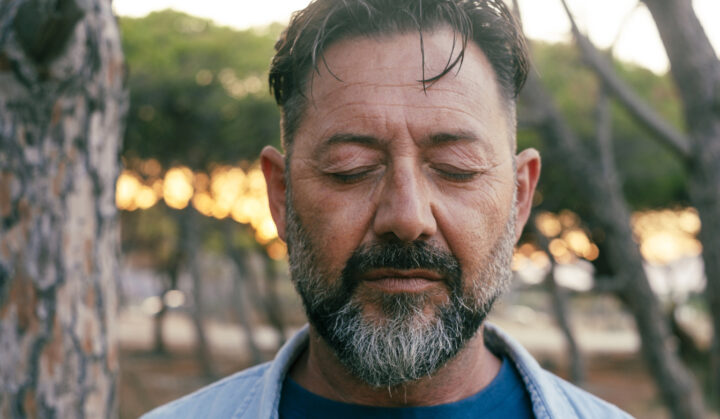
You stop forcing yourself to stay online just because it’s expected. Social media breaks, muting group chats, or simply putting your phone in another room for a while—these things keep your brain from running on other people’s timelines. The world feels quieter the moment you step away from the constant feed of opinions, comparisons, and noise. It’s not about escaping; it’s about remembering what your own thoughts sound like.
3. Not reacting straight away

You don’t jump into every argument or feel the need to respond to everything instantly. Instead of firing back, you pause. You let things breathe. You realise not every comment needs a comeback. This habit buys you time, space, and emotional distance. It stops other people from controlling your mood, and it helps you respond rather than react. That gap? That’s peace.
4. Creating little rituals you actually enjoy

Rituals give you something to come back to—whether it’s morning tea, a walk after dinner, or a Sunday reset routine. These aren’t big events; they’re grounding points that quietly hold your day together. As you get older, you stop chasing excitement all the time and start craving rhythm. These habits might seem small, but they create a stable background for your mental health.
5. Choosing your company more carefully

You get better at noticing who drains you and who lifts you. Instead of forcing connections out of politeness or obligation, you start curating your circle more intentionally, even if that means having fewer people around. It’s not about cutting everyone off; it’s about protecting the version of you that feels calm, seen, and safe. Time is precious, and so is your nervous system.
6. Walking away from conversations that go nowhere

Arguing with someone who doesn’t want to understand you used to feel like a challenge. Now? It just feels like wasted energy. You learn when to walk away, especially from circular conversations that only leave you frustrated. You don’t have to win. You don’t even have to explain. Sometimes, protecting your peace means letting someone else keep their opinion while you keep your distance.
7. Making space in your calendar on purpose

You stop filling every spare hour with plans, meetings, favours, or errands. Instead, you block out time just to breathe. That “doing nothing” time becomes essential, not optional. Having space in your schedule lets you reset, reflect, and just exist without pressure. It makes everything else feel more manageable, and it stops burnout before it starts.
8. Allowing yourself to be misunderstood

Trying to make everyone understand your decisions used to feel urgent. Now, it just feels exhausting. You realise it’s okay to let people get it wrong sometimes—your peace doesn’t rely on their approval. This quiet habit frees you from the endless cycle of defending yourself. Not everyone needs to be on the same page as you, and peace often begins with releasing that need.
9. Decluttering without fanfare

You start removing things that stress you out without turning it into a big event. Maybe it’s a drawer, a wardrobe, or your digital files—whatever it is, the act of clearing it makes your brain feel lighter. Decluttering isn’t just about stuff. It’s about energy. The less noise in your environment, the more space you have to think clearly. Peace hides in the corners you make room for.
10. Letting silence be part of your day

You stop filling every gap with music, podcasts, or background noise. Sometimes, you just sit in the quiet, and let your brain breathe for a bit. It might feel strange at first, but eventually it becomes restful. Silence stops being awkward and starts being a balm. You realise you don’t need to be stimulated all the time to feel alive—sometimes, stillness is the most nourishing thing of all.
11. Setting boundaries without guilt

Boundaries aren’t about pushing people away. They’re about keeping yourself grounded. Saying “I can’t take this on right now” or “I need a bit of space” starts to feel less like a rejection and more like a form of self-respect. As you practise this, the guilt fades. You start to realise that protecting your peace doesn’t require permission—it just requires consistency.
12. Letting go of “fixing” everything

You stop trying to solve every problem or manage every emotion—yours or someone else’s. Not every awkward moment needs a rescue, and not every hard feeling needs to be smoothed over right away. That doesn’t mean you’re uncaring, by any means. It means you’re choosing where your energy goes. Some things just need space, not fixing. Making peace with that gives you more peace overall.
13. Enjoying your own company without apology

Spending time alone used to feel like something you had to explain. Now, it’s one of your favourite things. Whether it’s a solo walk, a quiet meal, or a random hour to yourself—you cherish it, not hide it. The habit of being your own sanctuary is subtle, but powerful. When you enjoy your own company, you stop relying on external chaos to feel alive, and that’s where real peace begins.