It’s one of those confrontational questions that can flip the energy in a second.

What’s worse is that it’s usually delivered with a bit of heat, a lot of attitude, and a stare that says, “Choose your next words carefully.” Whether it’s tension on a night out, a misunderstanding at the gym, or someone just having a bad day, how you respond can make things better, or blow them up completely. Here’s how to keep your head when someone throws that line your way.
1. Don’t rise to the bait.

The goal of a line like this is usually to provoke. The tone, the body language—it’s designed to get a reaction. The best thing you can do is not give them what they’re looking for. Keeping your tone flat and body relaxed makes it clear you’re not playing. Even if your heart rate’s gone up, you’re still in control of how you respond. Not reacting doesn’t make you weak. It makes you smart enough not to let someone else pull your strings.
2. Keep your body language open, not defensive.
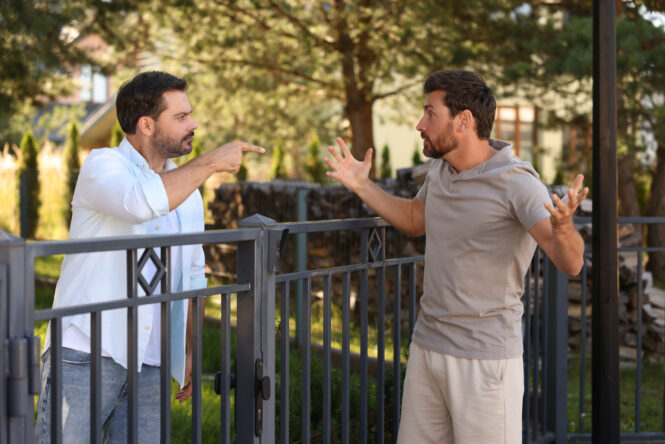
Crossing your arms, clenching your jaw, or squaring up are all ways of showing you’re ready to escalate. However, if your posture is relaxed and your hands stay visible, it signals calm rather than aggression. Most people mirror what they see. If you look like you’re gearing up for a fight, they probably will too. However, if you look chill, even if you’re annoyed, you bring the energy back down.
3. Offer a neutral response.

Something as simple as “Just looking around, mate” can defuse tension instantly. It’s not apologetic, but it also doesn’t challenge them. You’re not feeding the fire, you’re moving past it. The key is keeping your voice low and your delivery casual. A calm tone can do more than words to lower the temperature of the moment.
4. Don’t match their volume or intensity.

If they’re loud or aggressive, there’s a natural urge to match that energy, but that’s exactly how things spiral. The quieter and calmer you stay, the harder it is for them to keep their momentum. Think of it like music; if they’re blasting heavy metal, you counter with lo-fi background jazz. It throws off the rhythm they’re trying to create.
5. Avoid sarcasm or jokes.

Even if you’re tempted to be witty or make a joke to lighten the mood, it often doesn’t land the way you want in tense situations. Sarcasm can come off as disrespect, even if it’s meant to defuse. If someone’s already on edge, humour can feel like mockery. Save the smart remarks for your friends—this moment’s about keeping things steady, not clever.
6. Acknowledge, then redirect.

Sometimes just acknowledging the tension without feeding it can neutralise it. Saying something like “Didn’t mean to make it weird” and moving on changes the script they’re expecting. You’re not apologising—you’re just stepping out of the confrontation altogether. Redirection shows you’re not interested in turning a stare into a scene.
7. Know the difference between curiosity and confrontation.

Sometimes, people genuinely think they’re being stared at when you’re just zoned out or glancing past. Recognising this can stop you from feeling defensive over something unintentional. If you didn’t mean to look at them, it’s okay to say so. A simple “Wasn’t looking at you” or “Sorry, didn’t realise” can end it without fuss. You don’t need to justify a non-event.
8. Stay grounded in the moment.

When someone comes at you with that line, your brain might flood with adrenaline. Instead of spiralling into what-ifs, focus on your breathing, your feet on the ground, and staying present. The calmer you are physically, the clearer your head will be. You don’t need a perfect response—you just need one that doesn’t make things worse.
9. Don’t try to prove yourself.

Trying to reassert your pride or show that you’re not afraid can backfire quickly. It turns a small moment into a power struggle, and that’s where things get messy. You’re not there to prove anything. Walking away or brushing it off doesn’t mean you’re backing down. It means you’ve got nothing to prove to someone trying to pick a fight.
10. Keep walking if you can.

If the moment happens while you’re out and about, the best move is often just to keep it moving. A quick “All good” and walking away says you’re not taking the bait, and you’ve got better places to be. You’re not running; you’re choosing not to waste your energy. Sometimes the strongest move is the one where you don’t pause long enough to even entertain the drama.
11. Watch your facial expressions.

Even if your words are calm, a smirk or raised eyebrow can add fuel to the fire. Your face often speaks before you do, so try to keep it neutral or slightly open—not amused, not annoyed. Keeping a blank or relaxed expression helps stop things escalating without you even having to say much. Your energy tells the story more than your actual words.
12. If things feel off, trust your gut.

Sometimes, it’s not just about the words—it’s about the vibe. If something feels like it could tip into danger, listen to that. Keeping your cool also means knowing when to prioritise safety and step away. Protecting your peace isn’t just about ego—it’s about knowing what’s worth engaging with. Most confrontations aren’t about you anyway, they’re about whatever that person’s carrying that day.
13. Remember it’s rarely about you.

Most people who lash out like this are dealing with something that has nothing to do with you. You just happened to be in the wrong place at the wrong moment. Recognising that takes the sting out of it. When you realise it’s not personal, it gets easier to stay neutral. Their tone might be sharp, but that doesn’t mean your mood has to match it.
14. Leave the ego out of it.

At the heart of most escalations is ego—feeling challenged, disrespected, or exposed. But peace often lives in the moments where you choose not to make it about pride. Choosing calm doesn’t make you weak. It means you’re mature enough to recognise that the strongest men are the ones who don’t need to dominate to feel powerful. They’ve got nothing to prove, and everything to protect.