Strength training used to be something many people mainly connected with bodybuilders or gym fanatics.

However, researchers now say it could be one of the most important things ordinary people can do for long-term health. A major study from Harvard University found that just two hours of strength training a week may help lower the risk of dying early, while also helping protect against problems like heart disease and Alzheimer’s. Here’s why this amount of time is so significant, and how you can begin to incorporate strength into your own daily routine.
Strength training isn’t just about building bigger muscles.

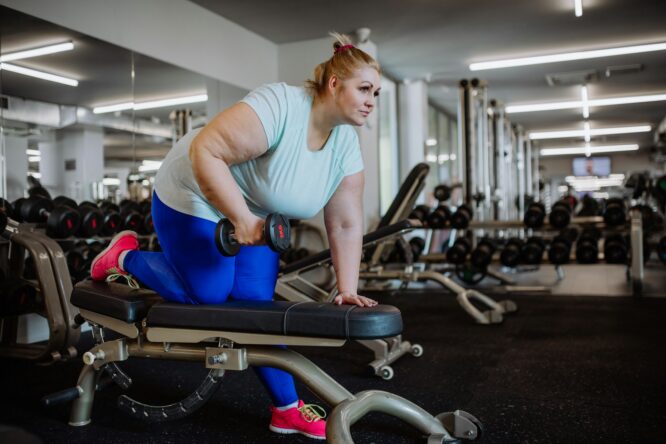
A lot of people still hear the words “strength training” and immediately picture heavy weights, huge gym routines, or intense bodybuilding workouts. However, experts say simple resistance exercises can still count, including bodyweight exercises like squats, lunges, push-ups, resistance bands, or lifting lighter weights at home.
The real goal isn’t becoming massively muscular, but helping the body stay stronger, steadier, and more capable as people get older. Muscles naturally weaken over time, especially once people reach middle age, so regular strength exercises help slow some of that decline down.
Keeping muscles strong can help protect the body later in life.
One reason experts are focusing more on strength training is because muscle loss affects far more than appearance. Weak muscles can increase the risk of falls, injuries, balance problems, and loss of independence as people age.
Strong muscles also help support joints and bones, which becomes increasingly important later in life. Researchers say resistance exercise helps keep bones stronger, too, lowering the risk of fractures that can seriously affect older adults after a fall.
The biggest surprise was the link to brain health.

The study found people who regularly did strength training had a significantly lower risk of dying from neurological diseases like Alzheimer’s. Researchers are still studying exactly why this happens, but many believe exercise helps support blood flow, brain function, inflammation levels, and overall healthy ageing throughout the body.
Experts have been talking about the mental health benefits of exercise for years, but there is growing interest in whether regular movement may also help protect memory and cognitive function over the long term.
Cardio still matters too.
The researchers were very clear that strength training isn’t meant to replace walking, cycling, jogging, swimming, or other cardio exercise. In fact, the people who seemed to do best overall were those combining both types of activity regularly.
The study found the lowest risk of early death appeared among people who mixed strength exercise with the recommended levels of aerobic activity each week. That means simple activities like brisk walking still play a huge role alongside resistance workouts.
You don’t need a gym membership to benefit.

One of the most useful parts of the findings is that strength training does not need to be complicated or expensive. Plenty of exercises can be done at home using bodyweight movements or simple equipment.
Press-ups against a wall, squats while brushing your teeth, resistance bands in the living room, lifting shopping bags carefully, or short home workouts can all help build strength gradually over time. For many people, consistency matters far more than doing perfect gym routines.
Many people avoid strength training because it feels intimidating.

A lot of adults, especially older people, avoid strength workouts because gyms can feel overwhelming or because they assume it’s “too late” to start. But experts say strength can improve at almost any age if people start gradually and stay consistent.
The research also helps challenge the idea that exercise only counts if it’s extreme. The biggest benefits were linked to relatively manageable amounts of weekly exercise, rather than spending endless hours training every day.
Modern life has quietly made people physically weaker.

Experts say many people now move far less than previous generations without even noticing it. Cars, screens, desk jobs, deliveries, remote controls, and labour-saving technology mean daily life often involves very little physical effort compared with the past.
That’s one reason strength training is now being talked about much more seriously by health experts. It’s got nothing to do with chasing a “perfect body.” It’s really about helping people stay mobile, independent, and healthier for longer in a world where everyday movement has dropped dramatically.
The biggest message is that small amounts still matter.

One reason studies like this resonate with people is because the target feels achievable. Two hours across an entire week sounds far less intimidating than the extreme fitness advice people often see online.
Researchers say even small amounts of regular movement are usually far better than doing nothing at all. Rather than aiming for perfection, the goal is simply keeping the body active enough to stay stronger, healthier, and more resilient over time.