The idea of packing up a van and hitting the open road with total freedom sounds like the absolute dream for many.
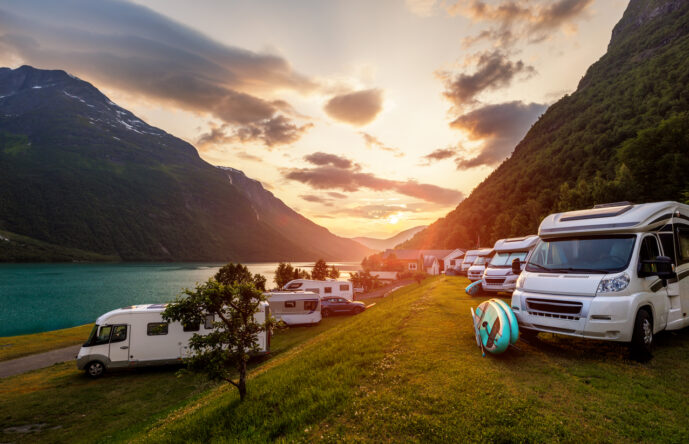
That’s especially true when your feed is full of idyllic pictures of waking up right next to a quiet beach. However, the reality of living out of a vehicle can be a massive shock to the system if you haven’t done your homework first. From hidden maintenance costs and confusing layout choices to the actual day-to-day logistics of finding a legal spot to park up for the night, there’s a lot to think about before you hand over your cash.
Buying a campervan is a serious financial commitment, so weighing up a few practical realities now will make sure your dream road trip doesn’t turn into an incredibly expensive nightmare.
Sort your budget out first.

Before you fall in love with anything online, work out roughly what you can comfortably spend. It’s the least exciting bit of the whole process, but it instantly narrows down what you’re actually looking at and saves you wasting time on vehicles that were never realistic. There’s so much choice out there that having a clear ceiling actually helps rather than hinders.
Remember, the budget needs to cover more than just the purchase price too, since insurance, road tax, servicing, and storage all need factoring in. It’s also worth thinking about whether you’d consider financing part of it, or hiring it out when you’re not using it, both of which can stretch what’s affordable.
Work out the type of van that suits you.

Campervans and motorhomes come in more shapes and sizes than most people realise, and the right one for you depends almost entirely on how you plan to use it. Small, compact campervans are brilliant for solo trips or couples nipping off for a weekend. Larger campervans with actual kitchen areas and small bathrooms suit those who want a bit more comfort.
Then there are the bigger motorhomes with raised sleeping areas above the cab, which give you space for families and longer trips. At the top end, you’ve got the bus-sized motorhomes with full kitchens and bathrooms, geared up for long-term living on the road. Have a good look at the categories before you commit because trying to make the wrong type work for your trips is the quickest way to fall out of love with the whole idea.
New or second-hand is something to consider.
This one usually comes down to budget, but it’s worth thinking through properly. A new campervan means everything is fresh, nothing’s been bashed about, and you’ll likely have lower maintenance costs for the first few years. The downside is that new vehicles lose value fast, especially in the first couple of years.
If you’re only planning to use it a handful of times a year, sinking a huge sum into a brand-new one can feel like watching money quietly disappear. That’s why so many people go second-hand, since a well-kept used vehicle is usually the better value option. The trade-off is a higher chance of needing repairs, so you’ve got to be willing to do the homework on whatever you’re buying.
Diesel, petrol, or electric will need to be weighed up as well.
Plenty of people don’t think about fuel type until they’re well into the buying process, but it matters more than it used to. Diesel campervans still make up most of the market, and they’re generally cheaper to run, but they’re increasingly being squeezed out of clean air zones in UK cities. Petrol options are out there, particularly in smaller campervans, and they tend to give you more flexibility around low-emission areas, though they’re often thirstier on a long trip.
Electric and hybrid campervans are starting to appear too, and while they’re pricier upfront, you’ll spend far less on fuel over time. The catch with electric is range, which still limits how far you can comfortably go off the beaten track. Have a think about where you actually want to drive before you decide.
Get a thorough pre-purchase inspection.

If you’re going second-hand, do not skip this bit. Even if you know your way around a vehicle, a proper inspection will spot things you’d never think to check. Engines, chassis, bodywork, suspension, signs of damp inside the living area, the gas system, the electrics, and all the little extras like the fridge and the heating, they all need a good look.
Damp in particular is the silent killer of older campervans and can lead to enormous repair bills. There are specialist mobile inspectors who’ll travel to wherever the van is parked, which is handy if you’re buying from someone a long way away. The cost of an inspection is tiny next to the cost of a hidden problem.
Take it for a decent test drive.

A quick spin round the block won’t tell you much. Ask the seller if you can view it when the engine is fully cold, so you can have a look underneath for any fluid leaks and see how it starts from cold. On the drive itself, treat it like you would any car you were buying, paying attention to how it handles, how it brakes, and whether any odd noises crop up. Then park up somewhere quiet and spend a decent bit of time inside.
Try the windows, the doors, the fridge, the hob, the bed setup and the storage. You’re going to be spending a lot of hours in this space, so it has to actually feel right when you’re in it.
Look into insurance before you buy.

Plenty of people leave insurance to the last minute and get a nasty surprise. Motorhome insurance varies enormously depending on the age and value of the vehicle, whether it’s been converted from a van rather than built as a campervan, whether it carries gas onboard, and what you plan to use it for.
Some converted vans are harder to insure than you’d think, and some specialist insurers handle them far better than the mainstream ones. It’s well worth getting a couple of quotes on the exact vehicle you’re thinking of buying before you commit, just so there are no shocks later. That way, the running costs don’t come as an unwelcome surprise the week after you collect it.
Don’t forget road tax.

Road tax for motorhomes and campervans varies depending on the age, weight, and engine size of the vehicle. Bigger, heavier vehicles can cost noticeably more to tax, and that’s a running cost that doesn’t go away. Have a quick look up what the road tax will be on the specific make and model before you sign anything.
Lumped in with insurance, servicing and storage, it gives you a far truer picture of what owning that particular van will actually cost you each year. Going in with your eyes open is always better than working it out afterwards.
Try one before you buy one.
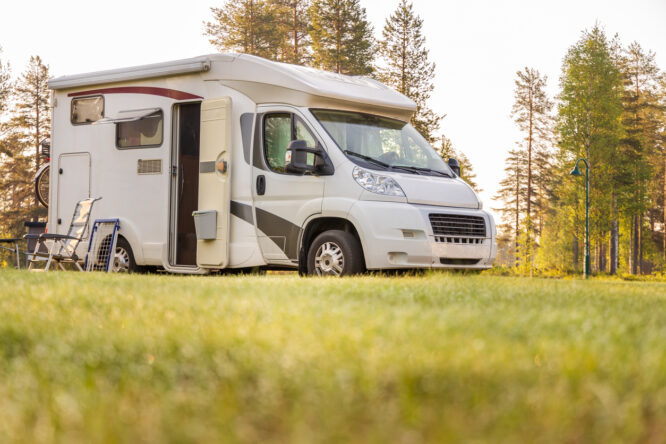
If you’re not totally sure that the lifestyle is for you, or you’re torn between a couple of different types of campervan, hire one for a weekend or a week first. You’ll learn more about what you actually need in a few days on the road than you ever will browsing online.
You’ll quickly discover whether the bed length suits you, whether you really need a fixed bathroom, whether you cope with the size, and whether the whole rhythm of campervan travel matches up with how you imagined it. It’s a relatively small spend that can save you from a much bigger mistake. Plenty of people change their mind about which type to buy after a single trial run.
Earn some of the money back.

Once you do own a campervan, it doesn’t have to sit idle when you’re not using it. There are platforms that let you hire your van out to other travellers, much like the Airbnb model. The income can quietly cover things like maintenance, depreciation, winter storage or even your own holidays. Some owners earn a couple of thousand a year doing it, others bring in considerably more during the busy summer months.
It’s not for everyone, since you do need to be comfortable with other people using your vehicle, but plenty of owners find they actually enjoy meeting fellow travellers and swapping tips. It’s worth knowing the option is there before you assume the whole cost falls entirely on you.