Choosing between a scoop of ice cream and a pot of yogurt usually feels like a simple trade-off between pure indulgence and a healthy choice.

Most of us automatically assume that opting for the yogurt is the superior decision for our bodies, while the frozen treat is strictly a guilty pleasure. However, nutrition experts suggest the comparison isn’t quite that straightforward when you look closely at how each one is made. Depending on what you’re actually trying to get out of your diet, the traditional hierarchy of these dairy staples might not be as clear-cut as you think.
The man behind the message deserves attention.

Dr Ezekiel Emanuel isn’t a lifestyle blogger or a supplement salesman. He’s a cancer specialist, a senior professor at the University of Pennsylvania, a special adviser to the World Health Organisation, and a former key health adviser to the Obama administration. When someone with that kind of background writes a book called Eat Your Ice Cream: Six Simple Rules for a Long and Healthy Life, it’s probably worth hearing what he has to say.
We’ve made staying healthy far more complicated than it needs to be.

Emanuel says he got increasingly frustrated watching people pour time and money into health trends with no real science behind them. Things like tanning your testicles under red light, taking drugs originally designed to suppress the immune system in the hope they’d make you live longer, or buying supplements that extended the lives of mice but have done nothing measurable for humans.
He was once asked by someone what diet he followed, who went through every major eating plan going waiting for an answer. He said he just eats normally. The person was horrified. His point is that we’ve built a whole culture around the idea that being healthy has to be hard, expensive, and a little bit miserable, and the actual evidence doesn’t back most of it up.
Ice cream genuinely appears to lower the risk of type 2 diabetes.
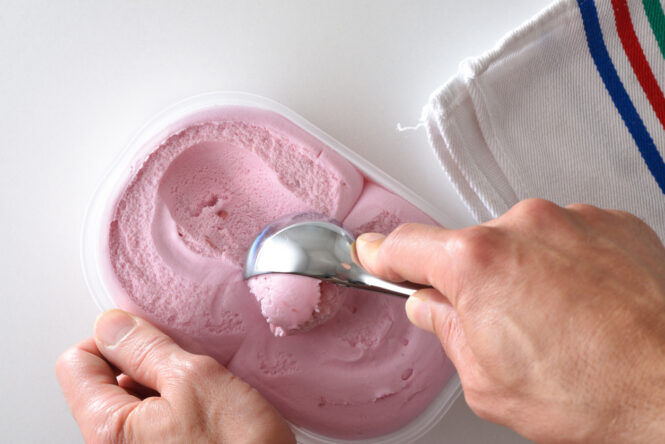
This is the finding that tends to get quietly dropped from research summaries because it doesn’t fit the story we’ve decided to tell about health. A 2014 Harvard study that followed more than 150,000 people found that both yogurt and ice cream were linked to a lower risk of type 2 diabetes, and ice cream actually came out ahead of yogurt on that measure.
Emanuel is talking about good quality ice cream without a long list of additives, not a tub of soft serve. But the evidence around dairy in general, and ice cream in particular, is, in his words, pretty strong. The reason it gets left out of health reporting, he argues, is a deep cultural assumption that anything worth doing for your health has to involve giving something up.
Your friendships matter more than any supplement you’re taking.

Emanuel is clear that having people in your life isn’t just a nice thing, it’s one of the most important factors in how long and how well you live. A University of Michigan study that followed 25,000 people over the age of 50 found that those with more friends, who saw them more regularly, had a 25% lower chance of dying early.
He also points to research from the University of Sussex suggesting that even a brief chat with a stranger on public transport has a real positive effect on mood and energy levels. He has very little patience for the online trend encouraging young men to become lone wolves who don’t need anyone, describing it as being pushed by people who simply don’t know what they’re talking about.
Stopping work earlier than you need to carries real risks.

Emanuel is still working at 68 and doesn’t apologise for it. He thinks we spend so much energy working out if we have enough money to retire that we forget to ask what stopping work will actually do to our brains. When people retire, many end up filling the time with television and sitting around, which is one of the faster routes to cognitive decline.
He doesn’t say never stop working, but he’s firm that doing the crossword every day isn’t enough to keep the brain in good shape. Learning a language, a musical instrument, or a new practical skill all provide what he calls real cognitive maintenance. The brain needs to be genuinely stretched, not just kept ticking over with familiar routines.
Moving more helps, but you don’t need to make it complicated.

The biggest improvements in health and lifespan don’t come from dedicated gym-goers pushing harder. They come from people who were doing very little starting to do something, anything, at all. Walking counts. Cycling counts. A long walk in the countryside counts. Emanuel is also sceptical about the current obsession with zone 2 cardio, the steady low-effort exercise that’s become a big topic in fitness circles.
The evidence that it considerably boosts mitochondrial growth isn’t well supported, he says, while high-intensity exercise has clear proven benefits for muscles, the heart, and overall fitness. Get a proper workout in, he says, and stop worrying about the rest.
No pill or potion is going to reliably fix your sleep.

Emanuel is blunt on this one. Melatonin supplements are widely used, but melatonin isn’t actually the chemical that drives sleep, so taking it in pill form isn’t doing what most people think it is. He tried sleeping pills himself and found that while they got him to sleep, he woke up feeling groggy, which was precisely what he’d been trying to avoid.
What actually helps is much more straightforward: a dark room, a cool temperature of around 18 degrees, no phone for an hour before bed, going to sleep at roughly the same time each night, and winding down with a physical book rather than a screen. He reads until his eyes start going over the same line repeatedly, and that’s when he knows he’s ready.
A few things are genuinely worth taking seriously.

For all his scepticism about overcomplicated health advice, Emanuel is direct about the things that do cause real harm. Smoking takes around 20 minutes off your life per cigarette. Vaping is less dangerous than smoking, but he’s careful to point out that being less dangerous than something very harmful doesn’t make it safe, and emerging evidence suggests it may affect how the brain works, particularly in younger people.
On alcohol, he’s more measured. He acknowledges that the research says the safest amount is none, but he also knows that 56% of people drink, and pushing for zero isn’t realistic. His position is that if drinking is social, kept to around three or four drinks a week, and not done in one sitting, the social benefits may reasonably outweigh the risks. Drinking alone is a different conversation.
The real message is simpler than the wellness industry wants you to think.

Emanuel’s frustration isn’t with any one health trend specifically. It’s with an entire industry built on convincing people that being healthy requires constant sacrifice, expensive products, and an endless list of things to feel bad about. The actual science, as he sees it, lands somewhere much more manageable. Move regularly. Sleep properly. Stay close to people who matter to you.
Keep your brain genuinely challenged as you get older. Don’t smoke. Eat well most of the time, and have a bowl of good ice cream without spending a single second feeling guilty about it. That’s not a message that sells supplements or fills wellness retreats, which is probably exactly why it took a WHO adviser to say it plainly.