We all know if we’re left- or right-handed, but we rarely think about whether the same rule applies to our pets.
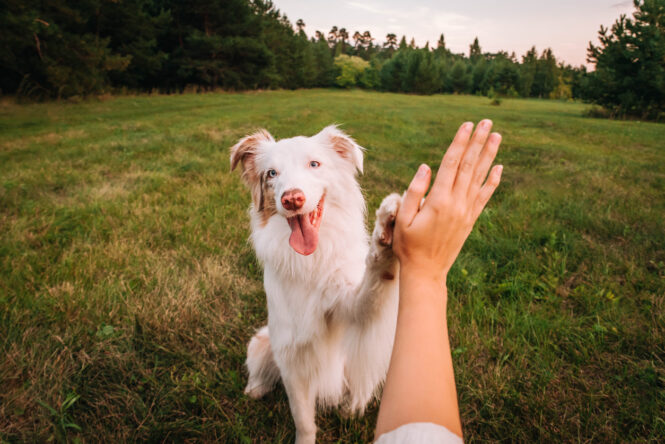
You might notice your cat always bats at a toy with the same foot, or your dog prefers to lead with one side when doing a trick. It turns out that this preference for using one side over the other isn’t unique to humans. Scientists have spent plenty of time studying how different species handle daily tasks to see if they experience the same brain division that dictates our own handedness. Looking at the way animals interact with the world reveals some fascinating clues about how their minds are wired.
The science of animal handedness is bigger than you’d think.

Handedness, or what scientists call laterality, isn’t a human-only quirk. A huge meta-analysis looking at 172 different animal species found that around 72% of them showed some form of left or right preference when using their limbs. Cats, dogs, parrots, horses, kangaroos, octopuses and even turtles all show a tendency to favour one side over the other, sometimes in ways that genuinely change how they move through the world.
The clever thing is that handedness in animals comes down to the brain working in pretty much the same way it does in humans. The left and right hemispheres handle different jobs, and that asymmetry shows up physically in which paw, foot, flipper or tentacle they reach for first. The more researchers look into it, the clearer it becomes that limb preferences are the rule across the animal kingdom rather than the exception.
Cats are surprisingly more left-pawed than you’d expect.
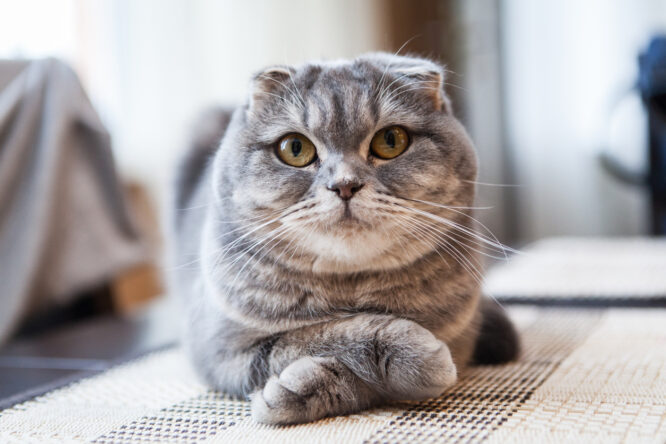
If you’ve ever watched your cat fish a treat out from under the sofa, you’ve probably noticed they tend to use the same paw every time. Studies confirm this isn’t a coincidence. Around three-quarters of cats show a clear paw preference, and the split between left and right is much more even than in humans. One major review found that 39% of cats were right-pawed, 36% were left-pawed, and 25% showed no clear preference at all.
That means left-pawedness in cats is far more common than left-handedness in humans, where only about one in ten people are lefties. Interestingly, female cats are more likely to be right-pawed than males, which has led some researchers to suspect hormones might be playing a role in early brain development. If you fancy testing your own cat, try popping a treat inside a glass jar or under a piece of furniture and watching which paw they use to fish it out. Do it a few times across different days for a proper answer.
Dogs are roughly an even split.

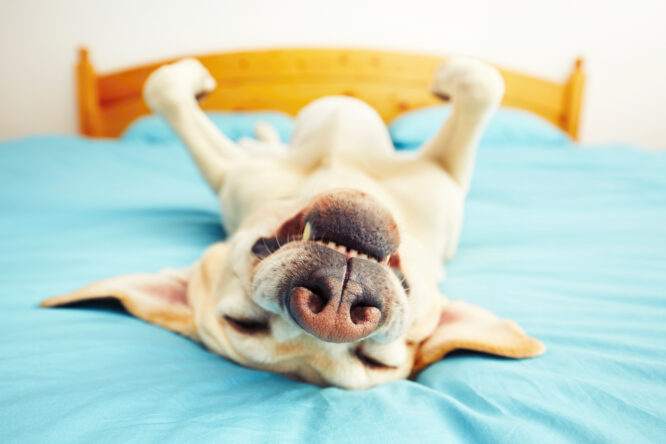
Dogs are similar to cats in that around 70% show a paw preference, but the split is remarkably balanced. When grouped into just two categories, roughly 53% of dogs come out as right-pawed and 47% as left-pawed. Add a third category for dogs with no clear preference and the numbers spread out even more evenly, which is very different from how things look in humans.
What’s particularly interesting is that paw preference in dogs has been linked to temperament and emotional reactivity. Research has suggested that left-pawed dogs tend to be more cautious or pessimistic in unfamiliar situations, while right-pawed dogs are often quicker to engage and explore.
Studies in rescue kennels also found that left-pawed dogs displayed more signs of stress, which has implications for training and welfare. Some research even suggests paw preference might be a useful predictor of which dogs go on to become successful guide dogs.
Even animals without paws have a preferred side.
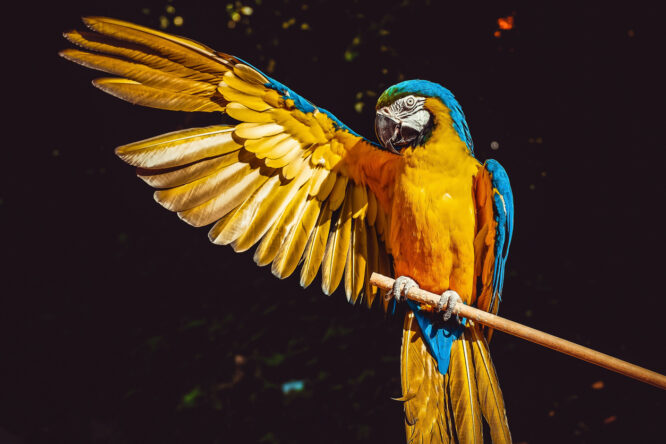
One of the genuinely brilliant findings from this area of research is that you don’t need hands or paws to show handedness. Parrots are well-known for being mostly left-footed, particularly the larger species that extract seeds from pods using coordinated foot and beak movements. They tend to perch on the right foot and reach for food with the left, though smaller parrot species have been found to be much more flexible.
Octopuses, with their eight arms, also show clear preferences when reaching for food. Studies from the Konrad Lorenz Institute in Austria found that individual octopuses tend to favour a particular arm depending on the task. Leatherback turtles use their right rear flipper more often than the left when covering their eggs in nesting sites.
Wild kangaroos and wallabies have been observed to be predominantly left-handed for everyday tasks, with red kangaroos and eastern grey kangaroos showing especially strong left-side preferences. Horses too show their own version of laterality, often turning more easily in one direction or leading with a particular foreleg.
Why animals develop a dominant side at all
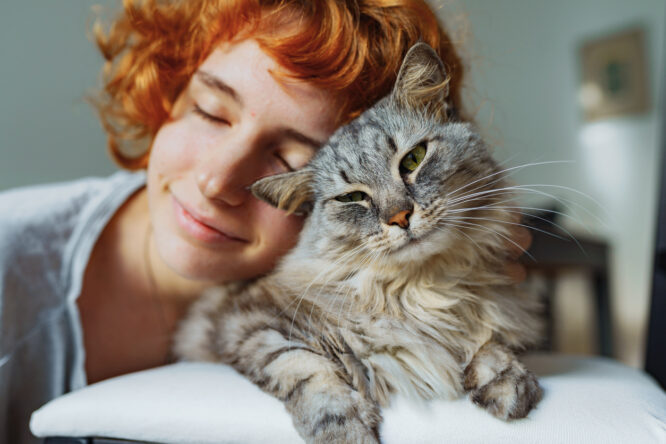
The reason behind all this comes down to brain efficiency. Splitting tasks between the two hemispheres of the brain seems to give animals an advantage because it means they can do two things at once without one task interfering with the other. A bird can scan for predators with one eye while feeding with the other, or a cat can keep watch on a doorway while pawing at a toy with its dominant paw.
Researchers think this kind of brain specialisation evolved very early on in vertebrates, which is why you find versions of it across such wildly different species. There’s also a theory that laterality became more useful as animals developed more complex behaviours like tool use, social coordination and detailed motor skills. The downside is that being predictable can sometimes make an individual more vulnerable to predators, which is why populations tend to keep a mix of righties and lefties rather than going entirely one way.
How to figure out your own pet’s preference
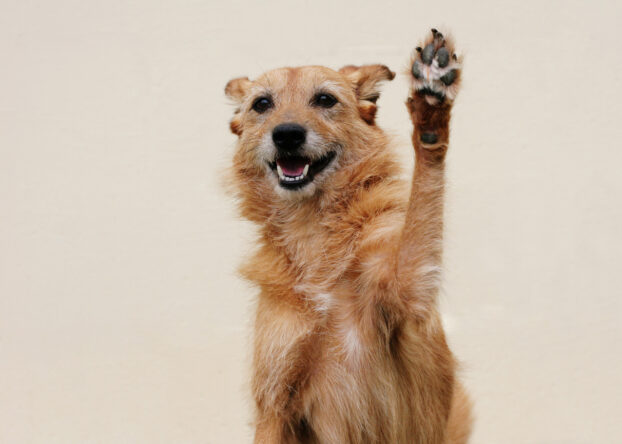
Testing your pet at home is actually quite straightforward. For dogs, place a treat inside a Kong toy or a similar puzzle feeder and put it directly in front of them. Watch which paw they use to hold or steady it. Repeat the test 50 or so times across different days to get a reliable result, since one or two attempts won’t tell you much. For cats, the glass jar trick works brilliantly, or you can dangle a toy just out of reach and see which paw reaches up first.
You can also pay attention to which paw your pet uses to scratch at a door, step over an obstacle, or hold down a chew toy. Some pet doors even reveal a clear preference over time, with worn paint or marks showing up on one side more than the other. It’s a fun bit of detective work, and it gives you a small but genuine insight into how your pet’s brain is wired. Just don’t expect them to behave entirely consistently, since the task and even their mood on the day can change the result.
What it all means for how we see our pets

Handedness in animals isn’t just a curious quirk of biology. It tells us something deeper about how brains evolved and how widely shared certain traits actually are across the animal kingdom. The fact that an octopus, a kangaroo, a parrot and your sofa-warming tabby all show their own version of the same thing suggests laterality goes back hundreds of millions of years.
For pet owners, it’s also a reminder that our animals are more complex and individual than we often give them credit for. A dog that consistently reaches with its left paw, or a cat that always swipes with its right, isn’t doing it randomly. There’s a whole neurological story behind that small everyday choice, and it links them, in a quiet way, to the rest of us. Next time you watch your pet fish something out from under the wardrobe, take note of which paw they use. You might just discover you’ve been living with a lefty all along.