Respect isn’t something kids give automatically just because you’re the adult in the room.

It’s something they learn from how you show up, especially in the way you speak to them when you’re tired, frustrated, or trying to make a point. Certain phrases may seem harmless or “just how parents talk,” but eventually, they inevitably eat away at connection, trust, and confidence. If you want your kids to respect you—not out of fear, but because they feel seen and safe around you—here are some things to stop saying.
1. “Because I said so.”

This shuts down curiosity and signals that your authority is more important than their understanding. It teaches them not to question things—not in a respectful way, but out of fear or frustration. Instead, try explaining your reasoning in a way that matches their age. Respect grows when kids feel like their questions deserve real answers, even if they don’t always get their way.
2. “Stop crying, you’re fine.”

This tells them that their feelings are inconvenient. It may be an attempt to calm them down, but what it really does is dismiss what they’re going through in the moment. Letting kids express emotion, even when it’s messy or loud, helps build emotional regulation over time. Respect flows both ways, and that starts with letting them feel without shame.
3. “Why can’t you be more like your sibling?”

Comparison might be meant as motivation, but it almost always lands as criticism. It creates resentment and makes kids feel like they’re always falling short of someone else’s standard. Every child wants to be seen as their own person. Respecting their individuality shows them they don’t have to compete for your approval—they already have it.
4. “You’re too sensitive.”

This sends the message that emotion equals weakness. It makes kids second-guess their reactions and feel ashamed for having feelings they can’t control yet. If you want emotionally intelligent kids, you have to validate their emotional world—even when it feels inconvenient. Sensitivity isn’t a flaw. It’s information.
5. “I’m disappointed in you.”

This might sound like a calm way to express disapproval, but for kids, it cuts deep. It frames their mistake as a reflection of their worth, not their behaviour. Instead of framing it around how they’ve let you down, focus on what happened and what they can do differently. That builds responsibility without damaging self-esteem.
6. “Don’t talk back.”

When kids question or challenge something, it’s often a sign they’re thinking critically. Shutting it down teaches them to stay quiet instead of learning how to express disagreement respectfully. There’s a difference between disrespect and discomfort. Encouraging respectful conversation, even when it’s tense, teaches kids how to advocate for themselves without crossing the line.
7. “You’ll understand when you’re older.”

This feels dismissive, even if it’s meant to simplify a situation. It tells kids that their current thoughts and questions aren’t valid or worth your full response. Instead, give them a version of the truth they can understand. That level of transparency builds trust—and shows them you believe they’re capable of understanding more than they think.
8. “You’re being dramatic.”

This downplays what they’re feeling, especially in moments where they’re struggling to regulate emotion. It teaches them that their reactions aren’t legitimate, and that being expressive is something to hide. Helping them name what they’re feeling is a better way to defuse the intensity. It shows them you’re listening, not just trying to shut them up.
9. “Why are you always like this?”

That kind of phrasing labels their personality, not their actions. It can make kids feel trapped in an identity they didn’t choose, especially if it’s said in moments of frustration. If there’s a pattern that needs to be addressed, separate it from who they are. Focus on the behaviour, not the identity. That’s how you leave room for growth instead of shame.
10. “Hurry up, you’re so slow.”

What feels like a harmless nudge can sound like a character flaw to a child. Kids hear these things as truth, and it starts to form the way they see themselves long-term. If time is tight, communicate urgency without name-calling. Framing it as a shared goal, not a personal failing, makes all the difference in how they respond.
11. “You’re fine, stop making a big deal out of it.”

Even if it seems like an overreaction to you, their distress is real to them. Telling them to brush it off can make them feel like their emotional reality doesn’t count. Validation doesn’t mean you agree—it just means you’re showing up. And that’s what earns their respect more than anything else: knowing they can come to you and be taken seriously.
12. “You’re being such a baby.”

This one hits hard, especially when kids are already struggling. It’s a dig at their maturity, and it tells them that showing emotion makes them weak or annoying. Instead, focus on helping them regulate—calm voice, safe presence, gentle direction. That’s how you build up a child who doesn’t just act mature, but feels secure in how they handle hard moments.
13. “Do you want me to give you something to cry about?”
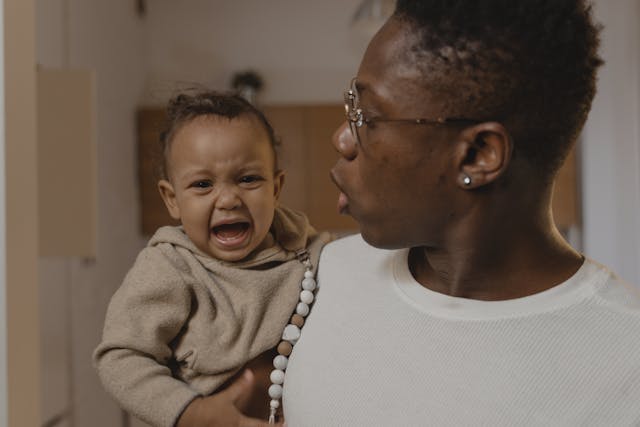
This one carries real fear for a lot of people who heard it growing up. It turns emotion into something punishable, and teaches kids that expressing pain leads to more pain. Respect can’t grow in a space where fear lives. If a child is crying, they need comfort and guidance, not threats. Emotional safety is a bigger flex than control will ever be.
14. “You never listen.”

Labels like this stick. And when kids hear them enough, they either start tuning out—or they internalise the idea that they’re a problem, not a person still learning. Instead of generalising, get specific. What didn’t they follow through on? What would you like to see next time? Respectful direction goes a lot further than broad blame.
15. “You’re grounded, end of story.”

Consequences matter, but so does clarity. If punishment is handed out without explanation or any room for conversation, it doesn’t feel fair—it feels like domination. Take a moment to explain what happened, why it matters, and what they can learn from it. The respect isn’t in the punishment. It’s in how you deliver it.
16. “Act your age.”

It’s often said when a child is being emotional, playful, or just not handling something in the most “mature” way. Of course, age doesn’t always match ability, especially under stress. This phrase shames kids for being exactly where they are developmentally. A better approach is offering guidance that meets them where they are, not where you wish they were in that moment.
17. “You’re embarrassing me.”

This centres your feelings in a moment that’s probably already hard for your child. It tells them their behaviour is more about how it reflects on you than what they’re experiencing. If something needs correcting, do it gently and privately. Kids feel safest with parents who protect their dignity, not those who make them feel like a burden in public.
18. “Just do what I say.”

Obedience and respect aren’t the same thing. Telling a child to follow orders without understanding teaches compliance, not cooperation. Eventually, they’ll stop listening the moment you’re not around to enforce it. If you want long-term respect, build communication that’s rooted in reasoning and trust. That’s what sticks long after the immediate moment passes.
19. “You’re such a handful.”

Even if it’s said half-jokingly, this kind of label gets internalised. Kids start believing they’re too much or too difficult, and that identity follows them. It’s more helpful to describe the behaviour, not define the child. You can name the challenge without naming them as the problem. That subtle shift changes everything.
20. “I give up on you.”

This one stings, even if it’s said in a moment of frustration. It tells a child that your love is conditional, and that when things get hard, you’ll pull away instead of leaning in. There’s nothing wrong with needing space or asking for a break. But respect grows when kids know that even when you’re tired, disappointed, or upset—you don’t stop choosing them.