Pumpkin seeds are one of those little ingredients most of us scoop out of a Halloween pumpkin and chuck straight in the bin.

That’s a wasted opportunity because they’re delicious, surprisingly versatile, and packed with good stuff. Whether you’re working with seeds from a fresh pumpkin or a bag from the supermarket, here’s how to actually eat them, what to do with them, and how to keep them at their best.
Pumpkin seeds are a delicious and nutritious food in their own right.
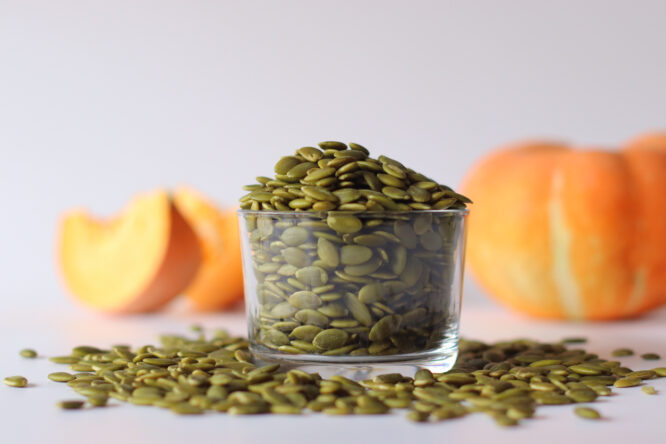
They’re olive green in colour with a pointy oval shape and an edible yellow-white shell on the outside. Pumpkins themselves are part of the same family as cucumbers, courgettes and melons, which surprises a lot of people. The seeds have a lovely nutty flavour, with a slightly chewy bite when raw and a satisfying crunch once roasted.
They’re also one of the most nutrient-rich snacks you can eat, with good amounts of healthy fats, protein, fibre, iron, magnesium, and antioxidants. Not bad for something that usually ends up in the food waste caddy.
There’s a difference between whole seeds and pepitas.
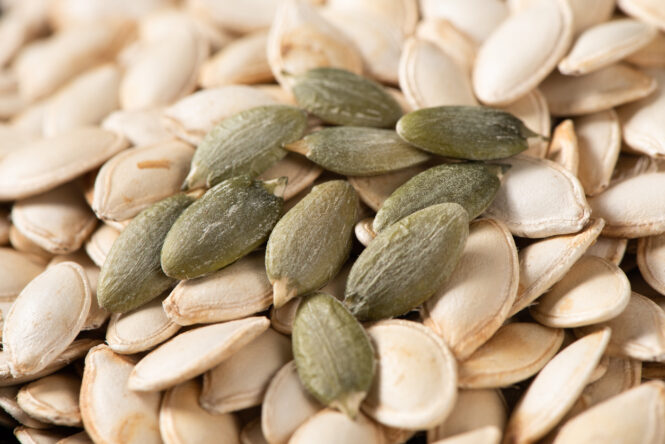
There are two main forms you’ll come across, and knowing the difference helps you pick the right one for what you’re doing. Whole pumpkin seeds are the kind with the outer shell still on, the ones you’d scoop straight out of a pumpkin. These are bigger and chunkier, and the shell is edible once it’s been dried out properly.
Pepitas, on the other hand, are the smaller, darker green seeds you’ll often see in supermarket bags. These have already been shelled, so they’re softer, more delicate and ready to eat or cook with straight away. Both are brilliant, just used in different ways.
How to eat them whole

Whole pumpkin seeds are best as a snack, especially once they’ve been roasted. In their raw form, the shells are a bit fibrous and tough, and they can be hard work to chew through. Roasting them properly dries the shells out and makes them brittle and crunchy, which is when they really come into their own.
They’re the kind of snack that disappears alarmingly quickly once you start. A scattering of sea salt is the classic option, but you can play around with smoked paprika, garlic powder, curry spices, honey, or even a sweet cinnamon and sugar coating if you fancy something different.
How to roast whole pumpkin seeds at home
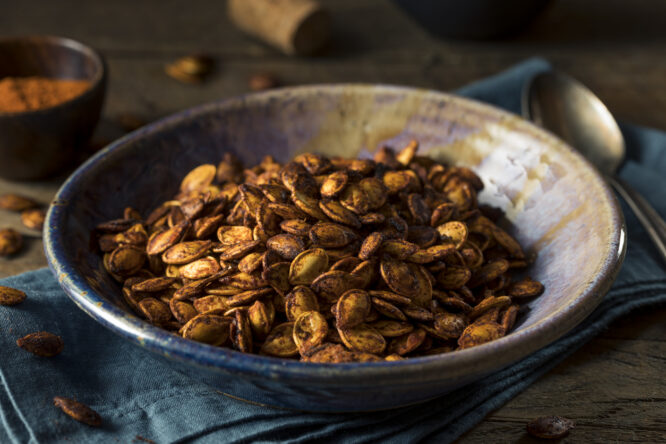
If you’ve carved a pumpkin and want to make use of the seeds, the process is delightfully simple. Scoop them out, pull off the stringy orange flesh, give them a good rinse in a colander and pat them dry with a clean tea towel. Spread them on a baking tray, drizzle with a little olive oil, sprinkle with salt and pop them into a moderate oven, around 170 to 180 degrees Celsius, for 15 to 20 minutes.
Give them a shake halfway through to make sure they cook evenly. They’re ready when they turn a light golden colour and smell nutty. Let them cool fully on the tray before eating, since they crisp up properly as they cool.
Pepitas are the more useful option
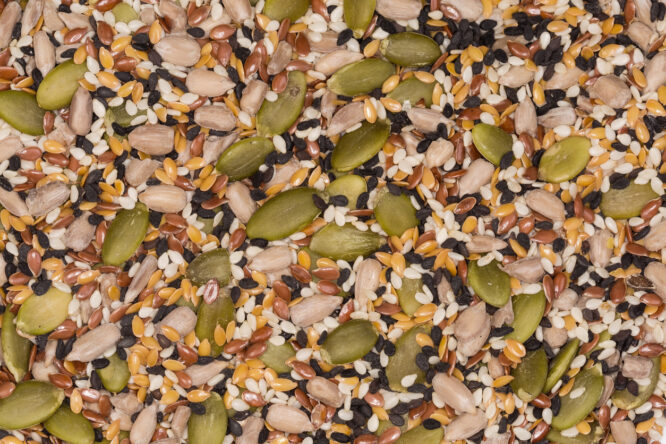
If you want to actually cook with pumpkin seeds rather than just snack on them, pepitas are by far the more flexible choice. With no shell to deal with, they slot into recipes in the same way you’d use any other seed or nut. They’ve got a slightly oily, creamy texture and a milder, more delicate flavour than the whole seed, which makes them a great all-rounder.
You can buy them raw or pre-roasted, and both have their place in the kitchen. Raw pepitas can be roasted at home for a deeper flavour, while pre-roasted ones are ready to use straight from the bag for a quick sprinkle over something.
Sprinkling them on your breakfast

One of the easiest ways to start eating more pumpkin seeds is to scatter pepitas over whatever you’re already eating in the morning. They’re brilliant on top of porridge, yoghurt with fruit, granola, smoothie bowls or cereal. They add a satisfying little crunch, a hit of healthy fats and a bit of staying power that helps keep you full until lunch.
A small handful is plenty, since they’re calorie-dense for their size. If you want to push the flavour even further, toast them lightly in a dry pan for a minute or two before sprinkling, which brings out a deeper nuttiness.
Tossing them into salads and bowls
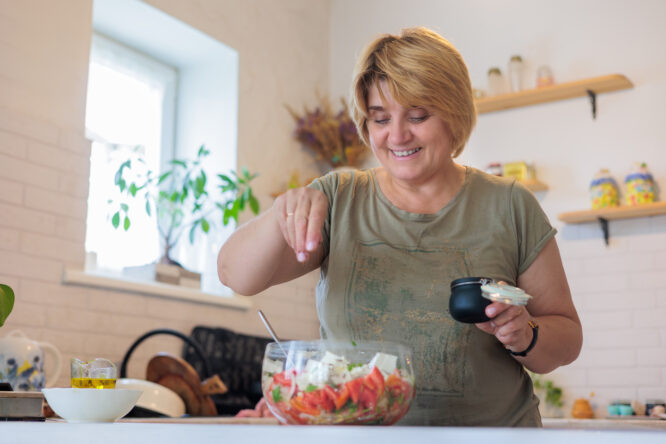
Pepitas are a brilliant alternative to croutons or pine nuts in a salad. They bring the same satisfying crunch without going soggy, and they pair beautifully with autumn ingredients like roasted squash, beetroot, feta, and apple. They also work in grain bowls with rice, quinoa or couscous, adding a lovely contrast to softer cooked ingredients.
A sprinkle over a soup just before serving lifts the whole bowl. They’re particularly good on creamy soups like butternut squash, leek and potato, or roasted carrot and ginger, where the crunch is exactly what’s missing.
Baking with pumpkin seeds
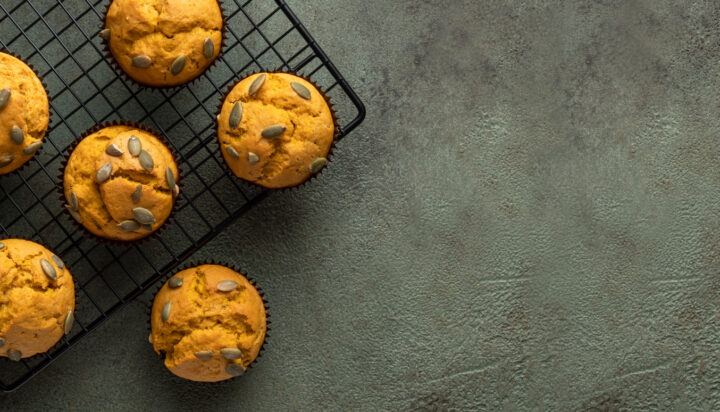
If you’re a baker, pepitas slot easily into all sorts of recipes. They’re brilliant folded into homemade granola bars, flapjacks or breakfast cookies, where they add bite and visual interest. Stir them into bread dough for a nutty seeded loaf, or scatter a few on top before baking for that classic bakery look. They work nicely in banana bread, courgette loaf, oat cookies and savoury muffins too.
For something simpler, sprinkle a few over scones or buns just before they go in the oven, where they’ll toast up into a golden, crunchy topping. Even a basic crumble topping benefits from a small handful of pepitas mixed in.
Turning them into a snack mix
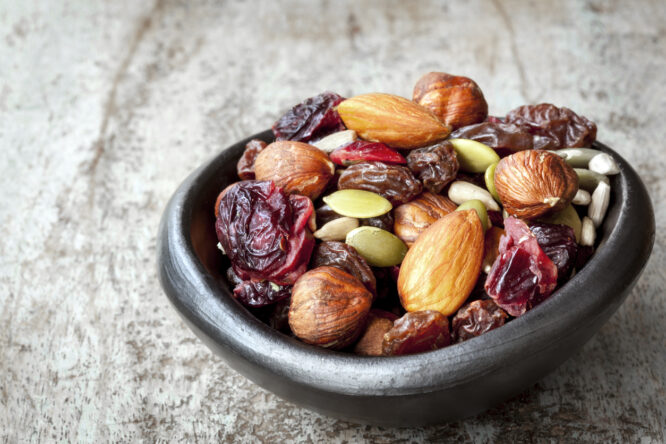
A homemade trail mix is one of the easiest, cheapest snacks to put together, and pepitas make a brilliant base. Mix them with dried fruit like cranberries, raisins or chopped apricots, a few nuts, some dark chocolate chips and any other seeds you fancy. The result is properly satisfying and far cheaper than the shop-bought versions, which often come with a hefty mark-up and a bit too much added sugar.
Portion the mix into small containers or sandwich bags for grab-and-go snacks during the week. It’s particularly good for work, walks, or anywhere a sugary snack might otherwise tempt you.
Using them in dips and pestos
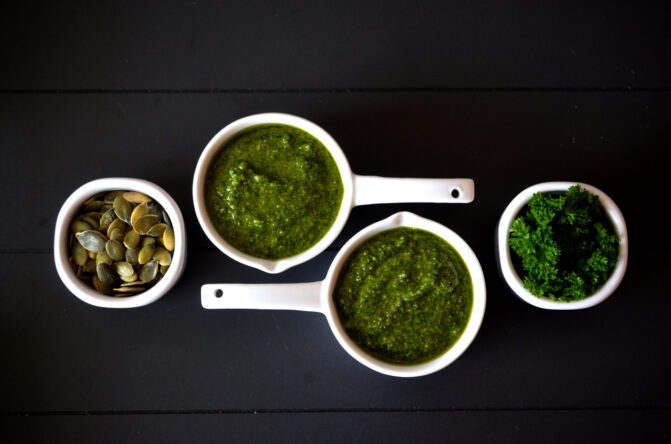
Pepitas are a clever stand-in for pine nuts, which can be expensive and have a habit of disappearing from the supermarket shelves. Whizz them up with garlic, basil, olive oil, parmesan, and a squeeze of lemon for a brilliant green pesto. The flavour is slightly different but every bit as good, with a deeper nuttiness and a creamier finish.
They also work folded into hummus or sprinkled on top for crunch, and they’re delicious scattered over guacamole or any bean dip. For a dairy-free Parmesan-style topping, blitz roasted pepitas with a little salt, garlic powder and nutritional yeast, and use it on pasta, salads or roasted veg.
Pumpkin seed butter for something different
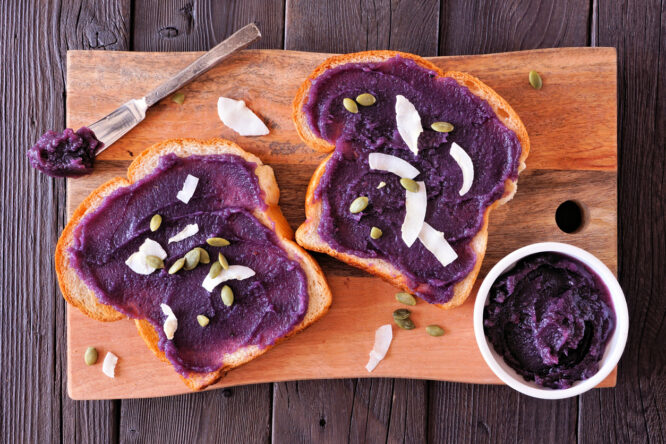
If you can’t have nuts but want something to spread on toast, pumpkin seed butter is genuinely brilliant. Pop a couple of cups of roasted pepitas into a food processor, add a pinch of salt and a little neutral oil, and blitz for several minutes until you get a smooth, creamy butter. Scrape down the sides as you go, since it takes a bit of patience to get the right consistency.
The result is a rich, deep green spread that works on toast, in smoothies, drizzled over yoghurt or stirred into porridge. It also makes a brilliant base for energy balls, where it binds the mixture in the same way peanut butter would.
How to store your pumpkin seeds
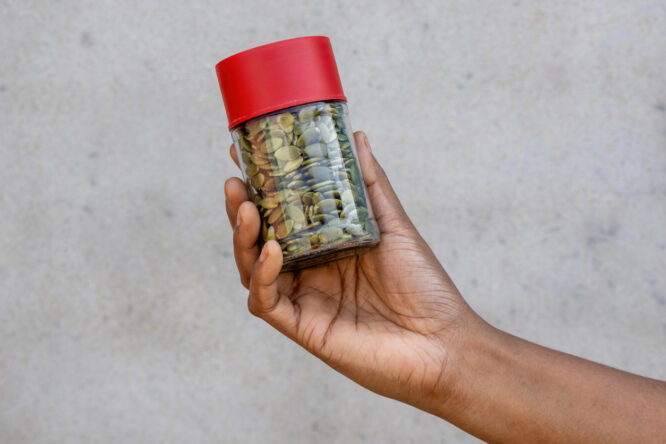
Whichever form you have, the key to keeping them at their best is an airtight container. Raw whole pumpkin seeds will keep happily in the cupboard for up to six months if they’re sealed tightly. Roasted whole seeds don’t last as long, around one to two weeks at room temperature or up to two months in the fridge.
Raw pepitas are best kept in the fridge, where they’ll stay good for up to a year. Roasted pepitas hold up for a week or two in the cupboard, and around a month in the fridge. If you’ve got more than you’ll use in a few months, both raw and roasted seeds freeze well in a sealed bag.
How to tell when they’ve gone off
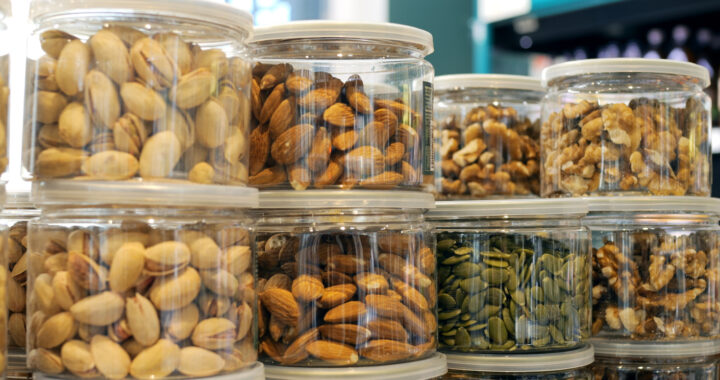
Pumpkin seeds don’t last forever, and they do eventually turn. The telltale sign is a bitter taste, since the oils inside them have gone rancid. A musty smell when you open the bag is another giveaway, as is any sign of mould or discolouration. Fresh seeds should feel crisp and dry, so if they’ve gone soft or chewy, they’re past their best.
None of this will make you ill in tiny amounts, but the flavour will be unpleasant. Trust your nose and your tastebuds, and toss anything that doesn’t smell or taste right.
Why pumpkin seeds deserve a spot in your kitchen
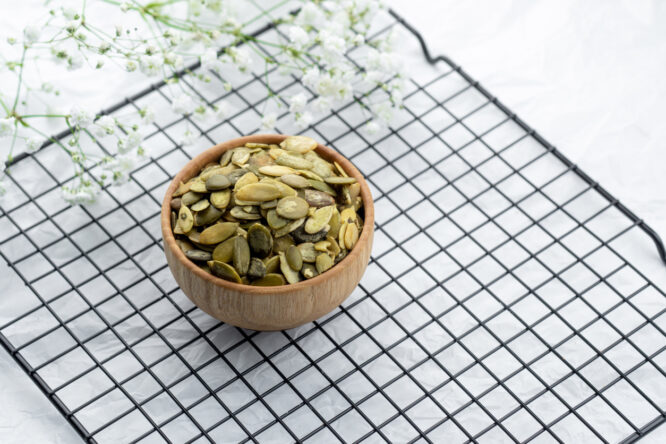
For something so small and unassuming, pumpkin seeds pack a remarkable amount into every handful. They’re a brilliant snack on their own, a clever cooking ingredient and a properly cheap way to add nutrition, flavour, and texture to almost anything you’re making.
Once you start scattering them onto porridge, into salads and onto soups, you’ll wonder why they were tucked away at the back of the cupboard for so long. And next time you carve a pumpkin, save those seeds rather than throwing them out. A quick rinse, a quick roast and you’ve got a free snack that puts most shop-bought versions to shame.