Spinach is one of the easiest vegetables to grow at home, which is probably why so many beginner gardeners end up slightly obsessed with it once they try.
It grows quickly, doesn’t need loads of space, and you can start picking leaves surprisingly fast compared to slower crops like carrots or onions. In the UK especially, spinach does well in cooler weather, meaning you can often grow it successfully when other vegetables are struggling. Here’s how to get started—you’ll be enjoying your new veggies in no time!
Spinach grows best in cooler temperatures.

One reason spinach can be so reliable in Britain is because it actually prefers mild weather rather than intense heat. In very hot conditions, spinach tends to “bolt”, which means it suddenly starts flowering and stops producing nice leafy growth. Spring and early autumn are usually the sweet spots for growing it outdoors. During warmer summers, partial shade can help stop plants getting stressed too quickly, especially during hotter afternoons.
You don’t need a huge garden to grow it.

Spinach works brilliantly in raised beds, pots, containers, window boxes, and even fairly shallow troughs. Because the roots don’t grow massively deep, it’s one of the easier vegetables for smaller outdoor spaces or balconies. As long as the container has decent drainage and enough room for plants to breathe a little, spinach is usually pretty forgiving. Many people grow it successfully on patios without needing a traditional garden at all.
Good soil makes a big difference.
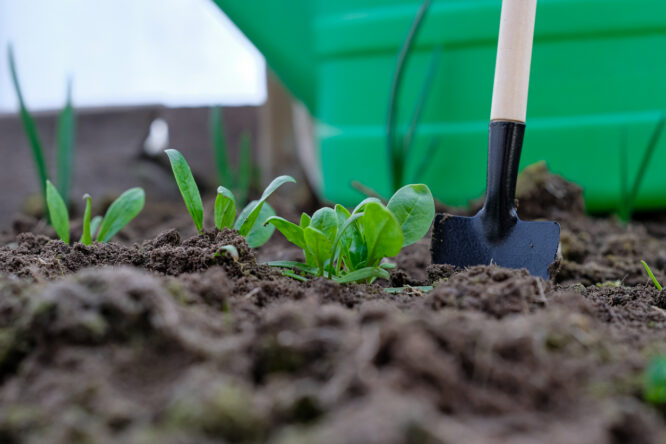
Spinach grows fastest in rich, moisture-retaining soil with plenty of organic matter mixed through it. Compost helps massively because spinach likes steady moisture rather than constantly drying out between waterings. Very dry soil often leads to bitter leaves or stressed plants that bolt earlier than they should. At the same time, waterlogged soil can rot roots, so balance matters more than constantly soaking everything.
Sowing spinach seeds is refreshingly simple.
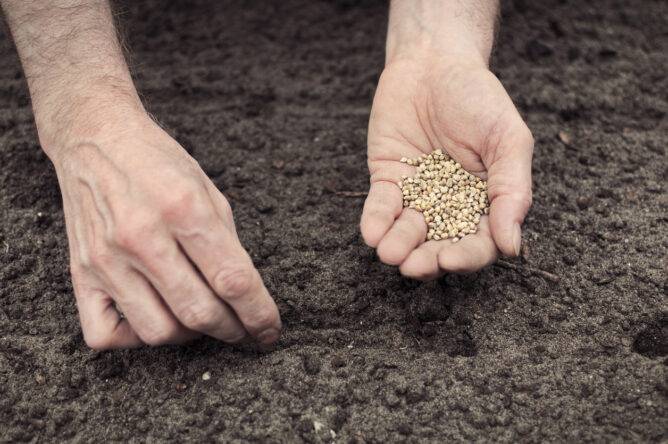
Unlike some vegetables that need lots of indoor preparation, spinach seeds are usually happy being sown directly into the soil or container where they’ll grow. Most gardeners plant seeds around 1 to 2 centimetres deep with a little spacing between them.
They germinate surprisingly quickly, too, often within a week or two if temperatures stay fairly mild. Succession sowing every couple of weeks helps keep a steady supply growing instead of everything arriving at once.
Watering matters more than usual with spinach.
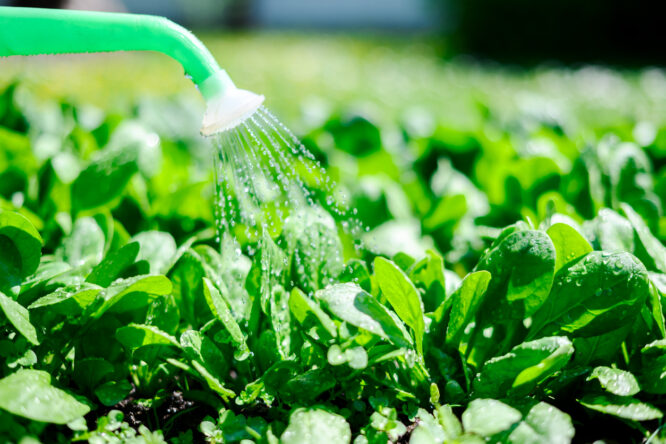
Spinach grows quickly, which means it needs fairly consistent moisture to keep producing soft, healthy leaves. If the soil repeatedly dries out completely, the plant often becomes stressed and far more likely to bolt. Morning watering usually works best because it gives plants time to dry slightly during the day while still staying hydrated. Wet leaves sitting overnight can sometimes encourage fungal problems, especially during humid spells.
Slugs absolutely love spinach.
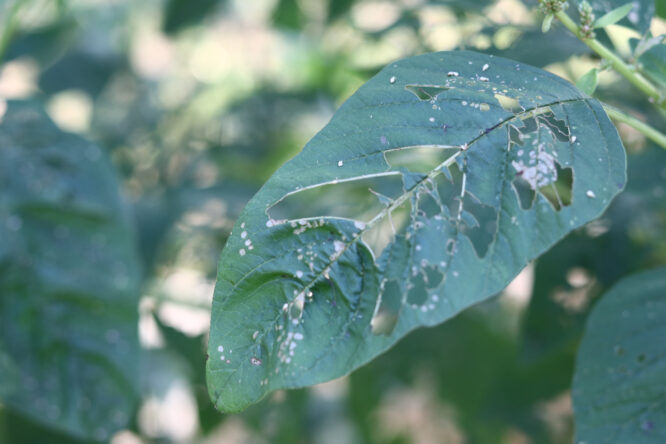
Unfortunately, spinach isn’t just popular with humans. Slugs and snails often treat young spinach leaves like an all-you-can-eat buffet, especially during damp weather. Many gardeners use barriers, wool pellets, copper tape, or evening slug checks to keep damage under control. Once plants become more established they tend to cope better, but seedlings are particularly vulnerable.
You can start harvesting surprisingly quickly.
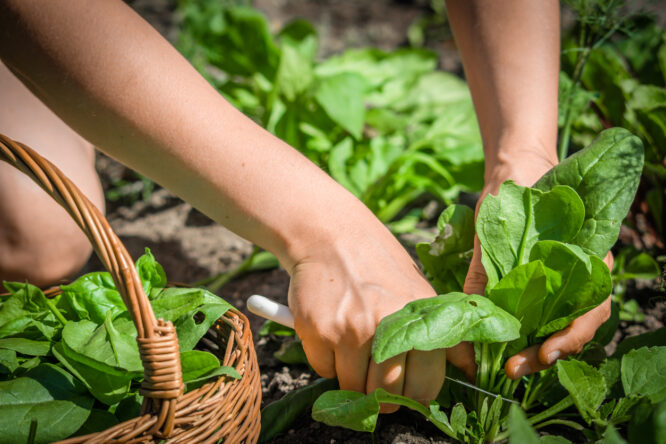
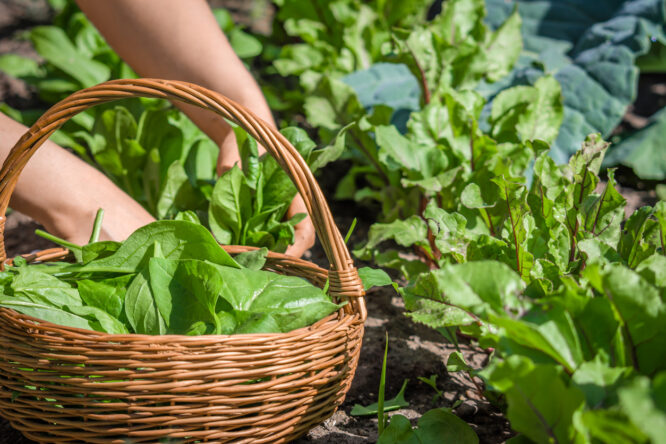
One of the best things about spinach is how fast it grows compared to many other vegetables. Baby leaves can sometimes be harvested within four to six weeks, depending on conditions and the variety being grown. Rather than pulling up the entire plant immediately, many gardeners pick outer leaves first and allow the centre to keep producing fresh growth. This “cut and come again” approach can give repeated harvests from the same plant.
Spinach doesn’t always need full sun.

A lot of vegetables demand as much sunlight as possible, but spinach is a bit more flexible. In fact, partial shade can actually help during warmer parts of the year by slowing down bolting. That makes spinach particularly useful for slightly awkward garden spots that don’t get blazing sunshine all day long. It’s often one of the easier edible crops for shadier gardens.
Choosing the right variety helps.
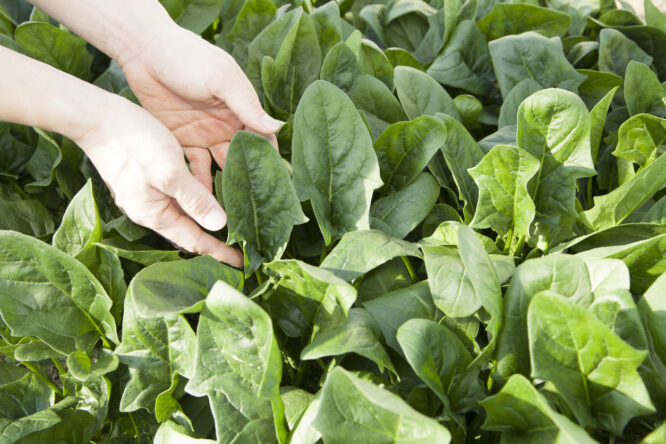
There are several different types of spinach, and some cope with British weather better than others. Perpetual spinach, while technically closer to chard, is especially popular because it’s hardy, productive, and less likely to bolt quickly. Traditional true spinach varieties usually grow faster and produce softer leaves, but they can be more sensitive during sudden hot spells. Many gardeners end up growing both for different uses in the kitchen.
Freshly picked spinach tastes completely different.

People who grow spinach at home often say the biggest surprise is how much better it tastes compared to shop-bought bags that have spent days sitting in plastic packaging. Fresh spinach tends to taste sweeter, softer, and less bitter.
Because it grows so quickly and doesn’t need huge amounts of space, spinach is also one of those vegetables that gives beginner gardeners a nice confidence boost fairly early on. There’s something oddly satisfying about cutting leaves for dinner that were still growing outside an hour earlier.