Nobody wants to throw out a whole punnet of berries just because one has started turning fuzzy, especially when fresh fruit doesn’t exactly come cheap.
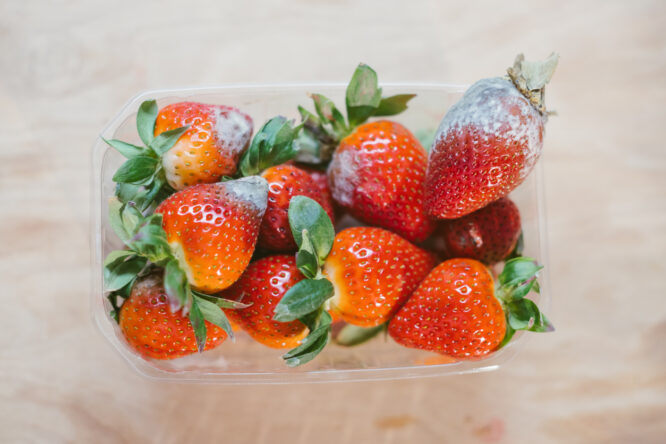
The immediate instinct is usually to pick out the dodgy one, give the rest a quick rinse under the tap, and crack on. Throwing away a whole batch over one bad berry feels like a massive waste of money. The problem is that soft fruit like berries are packed with water and have very delicate skins, which makes them a highway for mould spores.
By the time visible fuzz pops up on one piece, microscopic fungal threads have often already rooted themselves in the berries sitting directly next to it. You need to know where to draw the line, when you can actually salvage the rest of the punnet, and when it’s safer to cut your losses and bin the lot.
Berries go off faster than almost any other fruit.
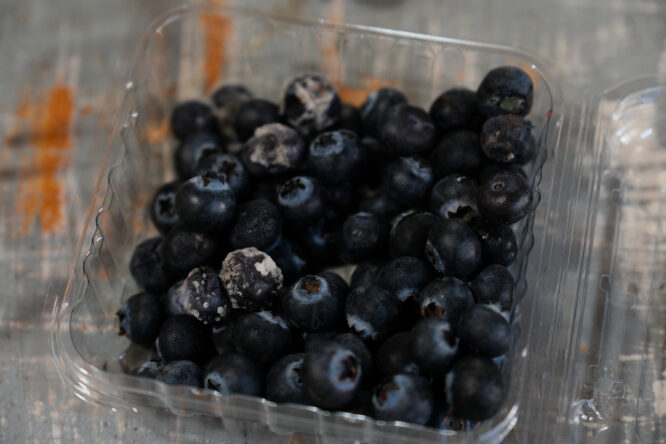
Fresh berries typically only last around three to five days once bought, which makes them notoriously easy to lose to mould before you’ve even had a chance to finish the punnet. It’s especially frustrating if you’re buying for one, since a standard punnet is rarely sized with a single person in mind.
Once mould does appear, it can spread surprisingly fast too, sometimes turning a single soft berry into a punnet full of fuzzy white or blue spots within just a matter of hours. That speed is exactly why so many people assume the whole lot needs binning the moment mould shows up.
There’s actually a rough safe threshold worth knowing.

According to medical experts, the general rule of thumb is that if more than about a quarter of the berries in a container are visibly mouldy, it’s usually safer to throw the entire batch away rather than trying to salvage anything.
If less than a quarter are affected though, and the remaining berries look healthy, meaning they’re not bruised, soft, or showing any visible mould themselves, they’re generally considered safe to eat once properly washed. This gives a useful rule to follow rather than guessing each time.
Food safety authorities take a slightly more cautious approach.
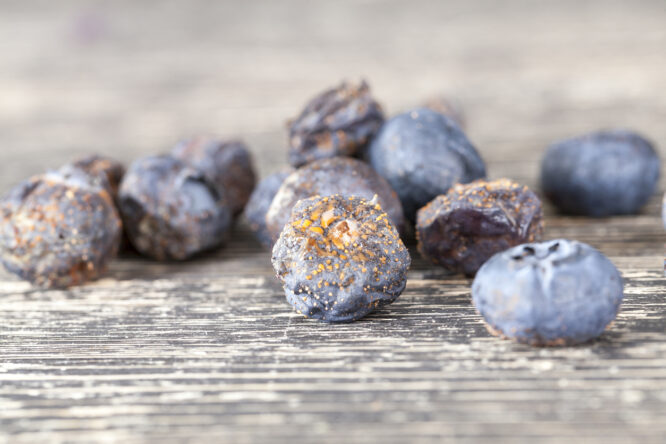
Government food safety guidance tends to be a little more careful on this topic, pointing out that berries naturally contain a lot of water, which can allow mould spores to spread between individual fruits more easily without becoming visible straight away.
Even with that added caution, though, the general advice still lines up fairly closely. Once you’ve removed anything visibly affected, carefully checked the remaining berries for softness or other signs of spoilage, and given them a thorough wash, they’re generally considered fine to eat.
Eating a mouldy berry by accident usually isn’t a big deal.
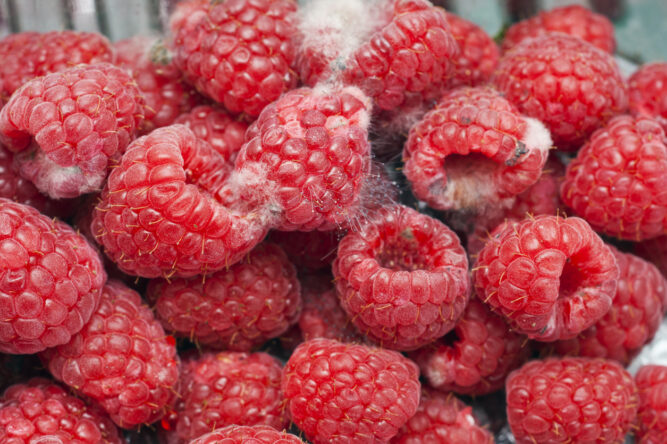
If you do end up accidentally eating a mouldy berry, whether by not spotting it in time or simply missing it in a hurry, you’ll most likely be completely fine. Experts in food science have explained that the types of mould commonly found on berries generally aren’t known to produce the harmful toxins that some other fungi can create, meaning the actual risk involved is fairly low.
Plus, the taste of a mouldy berry tends to give the game away almost instantly, giving you enough warning to spit it out before you’ve swallowed much of anything at all. Between the low toxin risk and the immediate taste warning, an accidental bite isn’t something worth panicking over.
Washing your berries properly still matters.

Even when berries look completely fine, giving them a proper wash before eating helps remove any invisible mould spores that might already be present on the surface, even if you can’t actually see them yet. This step becomes even more important once you’ve already had to remove some visibly affected berries from a punnet, since it offers an extra layer of reassurance that the fruit you’re keeping is safe to eat.
A few simple habits help berries last a bit longer in the first place.

Storing berries properly in the fridge rather than leaving them out at room temperature helps slow down how quickly mould develops in the first place. Keeping them dry until you’re ready to eat them matters too, since excess moisture tends to speed up spoilage considerably.
Buying smaller punnets more frequently, rather than one large one that inevitably goes off before you finish it, can also help avoid this whole situation altogether, particularly for anyone shopping and cooking for just themselves.