Bisexuality has always existed, but the way it’s been understood, described, and accepted? That’s been a long, messy journey.

For much of history, bisexuality was either erased, lumped into stereotypes, or hidden behind closed doors. Even now, it’s still surrounded by myths and assumptions. However, in recent decades, something has finally started to change. Bisexuality has gone from being something people felt they had to explain away or quietly suppress, to something that more people are embracing out loud—as a valid, full identity. Here’s how that change happened, and why it matters.
It’s always existed, but wasn’t always named.

Bisexuality didn’t just appear one day. People have been attracted to more than one gender for as long as people have existed. But in many cultures, there wasn’t a specific word for it, or it was considered something people did, not something they were.
In ancient societies like Greece and Rome, same-sex behaviour wasn’t necessarily unusual, but it didn’t carry the same meaning we attach to sexuality today. The concept of bisexuality as a standalone identity didn’t take root until much later.
The medical world pathologised it.

In the late 19th and early 20th centuries, scientists and psychologists began trying to label and categorise sexuality, and that didn’t go well for anyone who wasn’t straight. Bisexuality, when acknowledged at all, was often described as a phase, a confusion, or a sign of instability.
This “both sides” attraction was seen as suspect or deviant, and many early studies focused more on trying to explain it away than understand it. That medicalised view left a lingering impact that’s still hard to shake off completely.
The LGBTQ+ movement didn’t always know what to do with it.
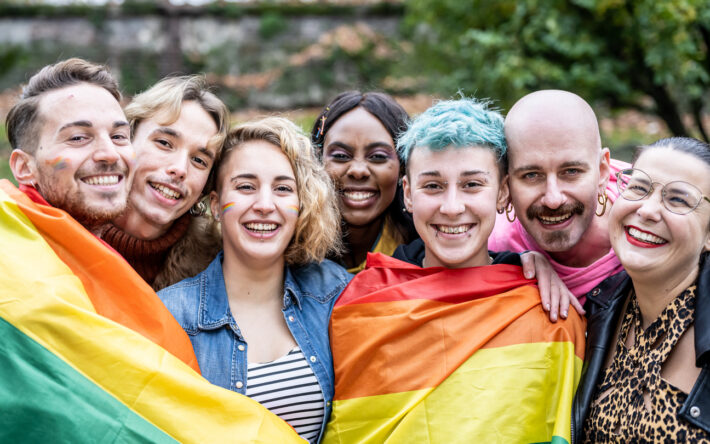
During the early gay rights movement, bisexual people often found themselves stuck in limbo. Some felt unwelcome in straight spaces. Others were treated with suspicion in gay and lesbian communities, where “bi” was sometimes seen as a fence-sitting label or a phase.
Even now, many bi people feel pressure to “prove” their queerness, especially if they’re in relationships that appear heterosexual on the surface. That tug-of-war between visibility and belonging has made bisexuality a uniquely complex identity to carry.
Visibility started changing with the media.
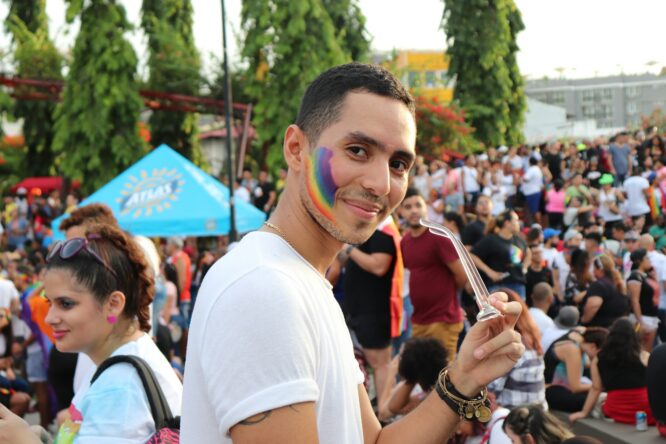
By the ’90s and 2000s, pop culture slowly started including bisexual characters, but often with caveats. They were mysterious, untrustworthy, or hypersexual. Still, flawed as it was, it marked a change: bisexuality was at least being acknowledged. As time went on, more nuanced portrayals emerged. Think of shows like “Schitt’s Creek,” “The Good Place,” or “Sex Education,” where bisexuality wasn’t the joke or the scandal, but a real, accepted part of someone’s identity.
The internet gave bi people space to connect and clarify.
 Source: Unsplash
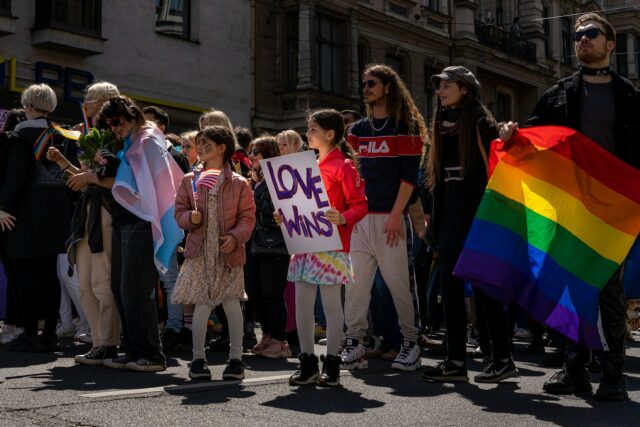
 Social media changed everything. Suddenly, bisexual people weren’t isolated. They had communities, language, and role models. Tumblr, Reddit, and TikTok especially became places where people could unpack bi experiences, bust myths, and share validation. People who grew up feeling like “not straight, not gay, not sure what that makes me” began finding a home in the bi label—and saw that other people felt the same. It turned out they weren’t alone. They were just underrepresented.
The stats prove it’s not a tiny minority.
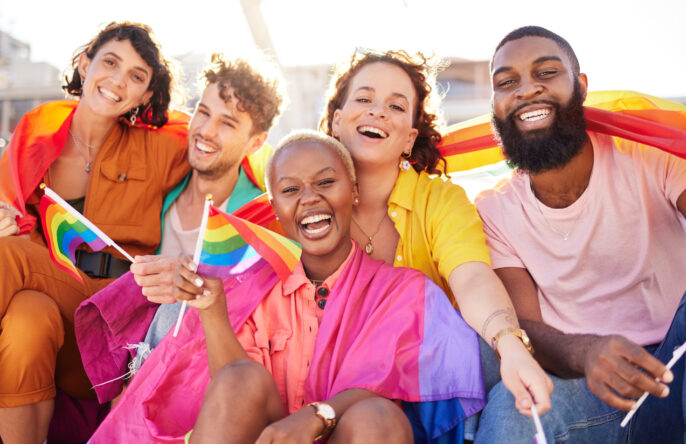
Studies now show that bisexual people make up the largest group within the LGBTQ+ community. In the UK and US, more young adults identify as bi than as gay or lesbian. This growing visibility hasn’t erased the stigma—but it has helped normalise the identity. It’s not a rare exception anymore. It’s part of the mainstream conversation about what sexuality really looks like for a lot of people.
Unfortunately, bisexual erasure is still a thing.
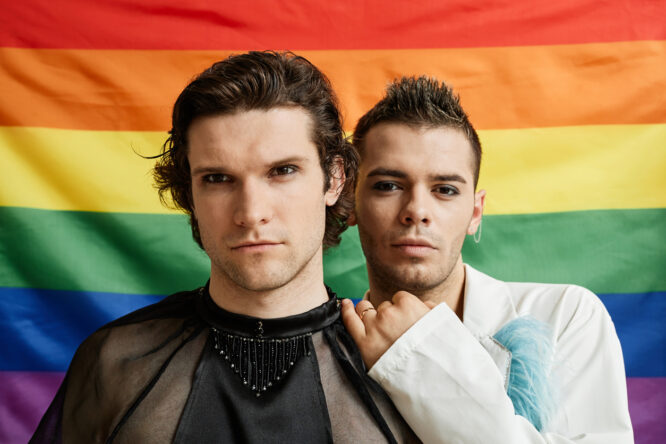
Even now, many bisexual people still feel invisible. They’re often assumed to be gay or straight depending on who they’re dating. Their identity can get dismissed as “confused,” “greedy,” or “just experimenting.” That erasure can come from both outside and within the LGBTQ+ community. It makes it harder for bi people to feel like they fully belong, especially when they’re not “performing” their queerness in a way that other people expect.
Bisexual people face unique mental health challenges.
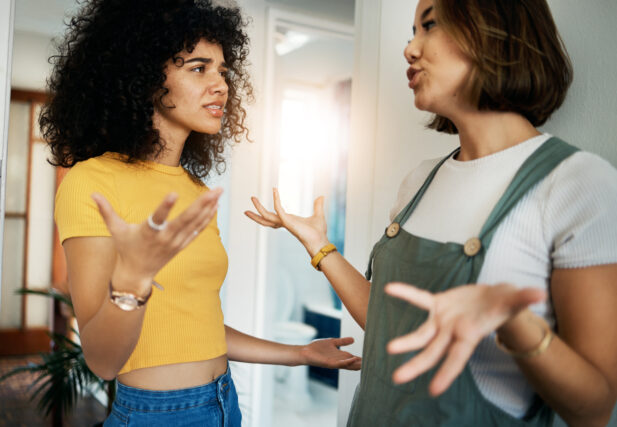
Studies have found that bisexual individuals are more likely to experience anxiety, depression, and other mental health struggles than both heterosexual and gay or lesbian peers. A big part of that comes from the double bind they often feel stuck in—disbelieved by one side, excluded by another.
The lack of clear, consistent support can take a real toll. That’s why representation, understanding, and validation aren’t just nice to have; they’re protective factors. They matter more than people realise.
More people are owning the label proudly.
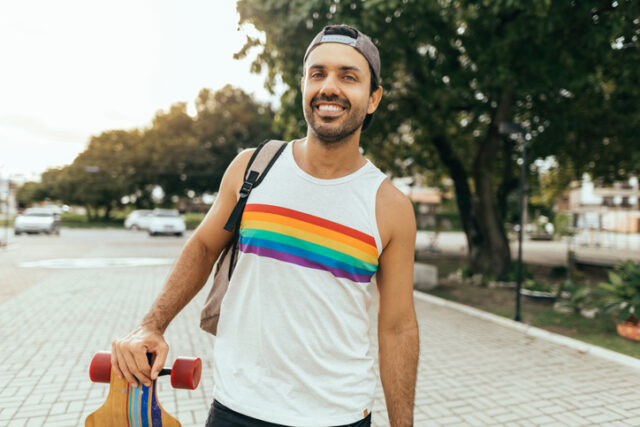
For a long time, “bi” felt like something people had to hedge or soften—saying things like “I’m bi, but I lean toward…” or “I don’t really like labels, but…” That’s slowly changing. There’s now a growing pride around bisexuality as its own identity—not just as a stepping stone or fallback label. More people are saying, “I’m bi,” and leaving it at that. No disclaimers needed.
It’s helping expand how we think about attraction.
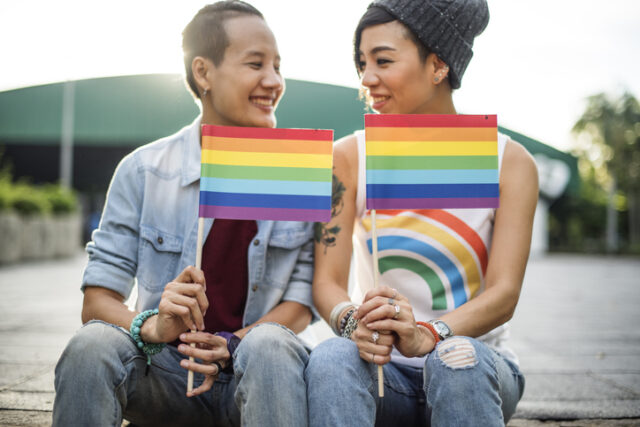
Bisexuality has opened the door to a wider conversation about fluidity. It’s helping people see that attraction isn’t always fixed or binary. That it can change, be complex, and still be valid. For many, bi identity isn’t just about who you’re dating—it’s about how you move through the world. It’s a lens that challenges rigid ideas of sexuality, and encourages more acceptance of nuance, grey areas, and personal truth.