For the first time in decades, the faces on our banknotes might not be faces at all.

The Bank of England has just revealed a shortlist of British wildlife being considered for the next series of fivers, tenners, twenties and fifties. Out go the historical figures, and in could come dolphins, foxes, owls, and butterflies. Here’s everything you need to know about the proposed change and the animals in the running.
Why the Bank is making the change
Banknotes get a refresh every so often, partly to keep them looking fresh and partly to add the latest anti-counterfeit technology that makes them harder to fake. The Bank of England started work on the next series last year, and announced earlier this year that nature would be the theme.
The decision came after a public vote where wildlife and nature received the highest number of nominations, beating out other ideas like sport, music and famous landmarks. It’s a properly big shift, since banknotes have featured historical figures since 1970. The change has been welcomed by plenty of people who feel that a fresh, modern look for British currency is long overdue.
What the next set of notes will actually look like

The plan is for each of the four main notes, the five, ten, twenty and fifty pound notes, to feature a different British animal as its central image. Each one will be paired with extra wildlife and nature details around it, giving each note its own little ecosystem.
The animals chosen will be ones that genuinely live in the UK, and the Bank wants the four picks to represent different environments, from the coast to the countryside, the woodlands to the rivers. So you won’t end up with four sea creatures or four garden birds, you’ll get a proper mix that reflects the range of British wildlife.
The mammals in the running

The first category in the public consultation covers UK mammals, and six animals have made the shortlist. The bottlenose dolphin is one of them, a familiar sight around the coasts of Scotland and the south west. The brown hare is in there too, a long-eared favourite that’s been racing across British fields for centuries.
The European hedgehog has been included, which would be a particular crowd-pleaser given how loved they are despite their declining numbers. The grey seal is another option, often spotted around the coasts of the UK and especially the north and east. The pine marten, a smaller and rarer relative of the weasel, is also on the list, alongside the iconic red fox, found everywhere from country fields to inner-city back gardens.
The birds making a case for themselves

The bird category brings six of Britain’s most striking species. The Atlantic puffin is one of the standouts, with its bright orange beak and cheerful face making it a fan favourite. The barn owl, with its ghostly white feathers and silent flight, is another option, and would feel like a very classic British choice.
The common kingfisher is in there too, a flash of electric blue across a riverbank that is one of the most beautiful sights in our countryside. The Eurasian curlew, a wading bird with a long curved beak, is on the list, alongside the great spotted woodpecker, with its black, white and red plumage. The biggest bird in the running is the white-tailed eagle, the UK’s largest bird of prey, recently making a comeback after being reintroduced in places like the Isle of Wight.
The smaller creatures in the third category

The third category groups together amphibians, insects and fish, with another six species shortlisted. The Atlantic salmon represents Britain’s rivers and the long journey these fish make from sea to stream every year. The basking shark, the second largest fish in the world and one that visits British waters every summer, is on the list too.
The buff-tailed bumblebee, one of the UK’s most common and easily spotted bees, would be a clever nod to the country’s pollinators. The common frog could become the first amphibian to feature on a British banknote. The emperor dragonfly, a massive and brightly coloured insect found around UK ponds, is in the running. Finally, the marsh fritillary butterfly, one of the UK’s most beautiful native butterflies, rounds out the shortlist.
How the public can have their say

The Bank has opened a public consultation, and people are being invited to share their preferences from the shortlist. Anyone can pick up to two animals from each category to vote for. The consultation is open until just before midnight on 3 July, and votes can be submitted through the Bank of England’s website or by post if you’d rather do it on paper.
The Bank has been clear that only animals on the shortlist will be considered, so you can’t suggest your own. The intention is to hear especially from UK residents and British citizens living abroad, though anyone is welcome to take part.
Why the final choice isn’t just about the most votes

You might assume the four animals with the most votes will simply win, but that isn’t quite how it works. The Bank has said it wants the four notes to be visually distinct from each other, so they can be told apart at a glance even by people with limited sight. That means the final choice will balance public preference with practical design.
The four animals will also need to represent different parts of the UK and different types of habitat. So if dolphins, basking sharks and salmon all win the public vote, only one of those sea-based creatures is likely to end up on a note. The decision will ultimately be made by the Governor of the Bank of England, taking the consultation into account.
When the new notes will actually appear

Don’t expect to be paying for your pint with a kingfisher anytime soon. Designing, testing and printing a new series of banknotes takes years, and the Bank has been clear that this will be a multi-year process. The aim is to make sure the notes are durable, accessible, and packed with the latest security features.
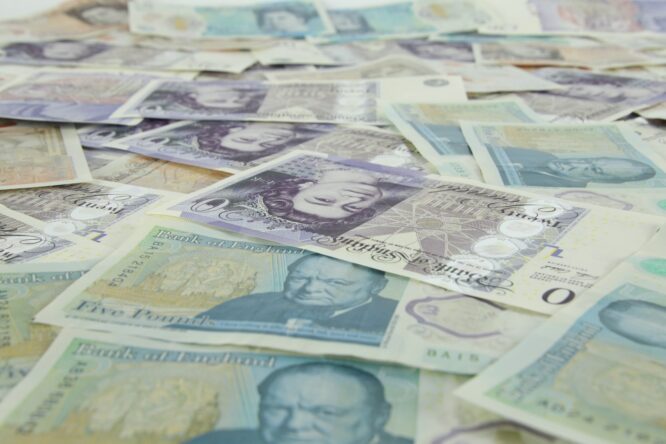
The current notes, which feature familiar faces like Sir Winston Churchill on the fiver, Jane Austen on the tenner, JMW Turner on the twenty and Alan Turing on the fifty, will stay in circulation for some time yet. The outcome of the consultation will be announced by the end of 2026, and the new notes will follow a few years after that.
What will stay the same

Even with animals taking centre stage, one familiar feature will stay on every note. The portrait of the monarch will still appear, so the King’s face won’t be disappearing from your wallet. The Bank has also said that representation of the four home nations, England, Scotland, Wales and Northern Ireland, will be an important part of the overall design. So, while wildlife will be the headline image, the notes will still carry the same sense of national identity they always have. The new series is a refresh, not a complete reinvention.
Why cash still matters in a tap-and-go world
It’s easy to assume cash is fading away in an era of contactless payments and mobile wallets, but the numbers tell a different story. Around one in seven people in the UK still prefer to pay in cash, and many more rely on it for certain things, from sending birthday cards to giving pocket money to the grandkids.
The total value of cash in circulation has actually been increasing too, reaching nearly £92 billion at the end of February. For older people, those without reliable banking access and those who simply prefer the certainty of physical money, banknotes remain a daily essential. A fresh, eye-catching new series may even encourage more people to keep a bit of cash to hand.
A wildlife theme is a clever move

Beyond the design itself, choosing British wildlife for the new notes is a smart cultural move. It quietly puts nature in the hands of millions of people every day, sparking small conversations and reminders of how rich and varied our wildlife really is. Many of the shortlisted animals are also facing real challenges in the wild, including hedgehogs, curlews and pine martens, all of which have suffered population declines in recent decades.
Putting them on banknotes could help raise awareness and even inspire support for conservation. The idea of carrying around a tiny image of a kingfisher or a barn owl every time you go to the shops feels like a small but lovely shift in the right direction.
How to take part if you’d like a say

If you’ve got a favourite from the shortlist, the consultation is genuinely worth a few minutes of your time. Head to the Bank of England’s website to cast your votes, choosing up to two animals from each of the three categories. You can also send in your views by post if that’s easier.
Again, the deadline is 3 July 2026, and the result will be revealed by the end of the year. Whether you’d love to see a kingfisher on the tenner, a hedgehog on the fiver or a basking shark on the fifty, it’s a rare chance to actually have a say in what the money in your pocket will look like for years to come.