It’s impossible to look at nutrition advice these days without someone singing the praises of the Mediterranean diet. It’s consistently ranked as the absolute gold standard for heart health and longevity, but the recipes you find online are often packed with expensive specialty ingredients and rigid rules that feel completely impractical for a busy weekday evening.
The truth is, eating this way isn’t about following a complicated, joyless plan or spending a fortune at a luxury supermarket. At its core, it’s just about focusing on simple, delicious whole foods like everyday vegetables, hearty grains, and healthy fats that you can find in any local shop. Stripping away the wellness jargon is the easiest way to transform your dinner plate without turning your daily routine completely upside down.
What even is the Mediterranean diet?

The Mediterranean diet is named after the countries around the Mediterranean Sea, like Italy, Greece, Spain, and parts of France. People in these places have been eating a similar way for thousands of years, and scientists noticed that lots of them were living to a ripe old age while still feeling great. So researchers started studying what they were eating, and the answer turned out to be wonderfully simple.
The really nice thing about this way of eating is that it’s not really a diet in the way most people think. There’s no counting calories, no banning whole food groups, no horrible meal replacement shakes. It’s more about filling your plate with loads of fresh, tasty food rather than worrying about what you can’t have. That makes it much easier to stick with than the kind of diets where you spend the whole time feeling hungry and grumpy.
What’s actually on the plate?

The Mediterranean diet is built around plants. Loads of colourful fruits and vegetables, beans, lentils, nuts, seeds, and whole grains like brown rice and oats make up the main part of every meal. On top of that, people eat fish at least twice a week, especially fatty fish like salmon, sardines, and mackerel. Olive oil is used in pretty much everything, replacing butter and other less healthy fats.
Smaller amounts of chicken, eggs, cheese, milk, and yoghurt are eaten too, but they’re not the main event. Red meat like beef, processed meats like sausages, sugary treats and packaged foods are kept to a minimum. Grown-ups sometimes have a glass of red wine with their dinner too, though that’s optional and only really for adults. The whole idea is that fresh, simple food cooked at home tastes brilliant and is also brilliant for you.
It’s amazing for your heart.

Your heart is one of the most important muscles in your body, since it pumps blood around 24 hours a day for your entire life. The Mediterranean diet has been shown to keep hearts in really good shape. One huge study that looked at over 10,000 people found that those eating this way had a much lower chance of heart attacks, strokes, and heart failure compared to people eating in other ways.
The reason is all the good stuff packed into Mediterranean foods. Fresh fruits and vegetables are loaded with things called antioxidants, which protect your body’s cells from damage. Whole grains give you fibre, which helps your blood vessels stay clean and bendy. Olive oil, fish, and nuts are full of healthy fats that actually help your heart work better. Together, all of these foods team up to keep your ticker happy.
It can lower the chances of getting really nasty illnesses.

Doctors have also found that the Mediterranean diet seems to lower the risk of getting cancer, which is one of the scariest illnesses out there. A big review in 2024 showed that older adults who followed this way of eating were less likely to develop cancer than those who didn’t. Another study in 2025 found similar results for people who were carrying extra weight.
The same is true for type 2 diabetes, which is a condition where the body struggles to handle sugar properly. People who follow the Mediterranean diet are much less likely to develop it. Scientists think this is because plant foods contain things called polyphenols, which help your body handle sugar in a healthy way. Combine that with regular exercise, and you’ve got a really powerful combination for staying well.
It helps your brain too.

What you eat doesn’t just affect your body, it affects your brain as well. Scientists have found that the polyphenols in plant foods can help with how the brain works, including helping to fight off feelings of sadness and worry. The World Health Organization, which is one of the biggest health groups in the whole world, has officially said the Mediterranean diet is the best one studied for keeping your brain sharp as you get older.
That means people who eat this way are less likely to develop something called dementia, which is when older people start to lose their memory and ability to think clearly. So tucking into a plate of salmon, vegetables and olive oil isn’t just feeding your tummy, it’s actually helping to keep your brain working well for decades to come. Pretty cool when you think about it.
It’s good for bones and helps you age well.

Strong bones are something most of us only really think about when we’re older, but the Mediterranean diet helps keep them solid too. A recent study found that women who ate this way had stronger bones than those who didn’t, particularly in the lower back. When you combine the diet with regular walking, the bone-boosting effect was even bigger.
One huge 30-year study even followed over 100,000 people to see who aged really well. They wanted to know who reached the age of 70 without any major illnesses and still feeling sharp and happy. The answer? People who ate mostly plants with a bit of fish and chicken thrown in, which is basically the Mediterranean diet in a nutshell. Eating well in your younger years really does pay off later on.
Is there any downside?

The Mediterranean diet doesn’t have many drawbacks, which is part of why doctors love it so much. The main problem is that all those fresh fruits, vegetables, fish, and nuts can add up in the shopping basket. It’s not the cheapest way to eat, particularly if you go for the fancy versions of everything. You also need a bit more time to actually cook food at home rather than grabbing something quick from a packet.
For some people, cutting back on the foods they really love can feel hard at first. If you’re used to having sausages every morning or biscuits every afternoon, switching to mostly plants and fish takes a bit of getting used to. The good news is that the diet still allows treats in moderation, so you don’t have to give up everything fun. A small piece of dark chocolate after dinner is even encouraged.
How to actually start eating this way
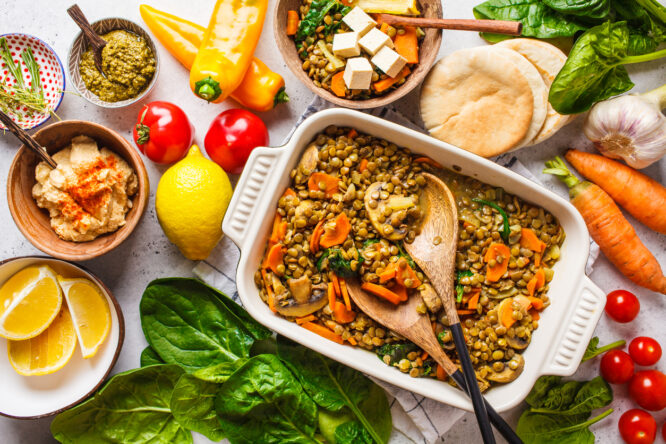
Getting started is easier than you might think. The first step is just to add more colour to your plate. Think bright red tomatoes, dark green spinach, orange peppers, purple berries and yellow lemons. The more colours you can see on your plate, the better the meal usually is for you. Try swapping butter for olive oil when cooking, and choosing whole grain bread and pasta instead of the white versions.
Make fish part of your meals at least twice a week, since the omega-3 fats in fatty fish are brilliant for both your heart and brain. Snacks can be a small handful of nuts, some hummus with carrot sticks, or a piece of fruit. Don’t worry about being perfect, either. Even just adding a few Mediterranean meals each week is going to do you a lot of good over time.
A sample day of eating

To give you a proper idea, here’s what a typical day on the Mediterranean diet might look like. Breakfast could be a smoothie made with blueberries, banana, Greek yoghurt and a spoonful of nut butter. Lunch might be a colourful bowl of lentils, vegetables, chickpeas and avocado with a drizzle of olive oil and a squeeze of lemon.
For a snack, try a couple of spoonfuls of hummus with sliced peppers and carrot sticks. Dinner could be grilled salmon with brown rice and kale sautéed in olive oil. And for dessert, a small square of dark chocolate alongside a few nuts gives you something sweet without anything horrible added. It sounds posh, but it’s actually really easy once you get the hang of it.