Eurostar has been running trains between the UK and continental Europe for over 30 years.

Remarkably, what started as a service connecting London to Paris and Brussels has grown into something considerably more extensive. You can now travel directly to Amsterdam and Rotterdam, connect through to other French cities, and even book through to Swiss destinations like Geneva and Zurich as part of the same ticket. In winter, there’s a seasonal ski train to the French Alps too.
For many people, Eurostar sits in a slightly confusing middle ground between flying and a normal train journey. You still go through passport control and security, but you get a far more generous luggage allowance, no restrictions on liquids, and you arrive in the centre of the city rather than an airport on the outskirts. Here’s what to know before you go.
How early do you actually need to arrive at St Pancras?
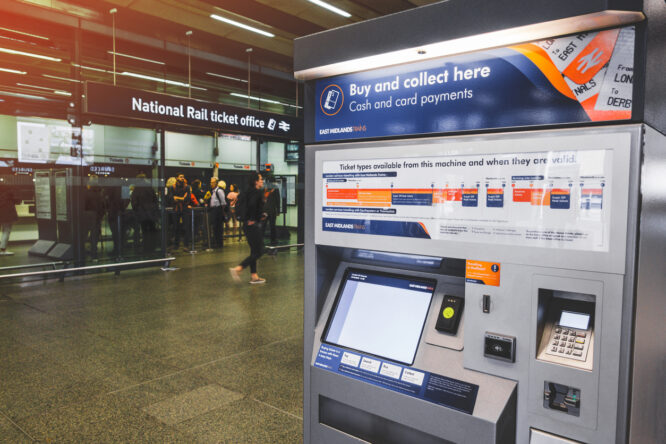
Eurostar recommends arriving around 75 minutes before departure if you’re travelling in standard seats. That window covers the time needed to clear security, go through both UK and French passport control, and get to the departure lounge before the platform is announced. It sounds like a lot, but the queues can be longer than expected during busy periods, and missing the train is a genuinely stressful experience given the limited number of departures each day.
If you’re travelling in Eurostar Premier, a fast-track entrance means 45 minutes is generally enough. Those who’ve booked accessible travel are advised to arrive 60 minutes before departure. One practical tip worth following regardless of which ticket you have: stock up on food and drinks in the main St Pancras station before entering the terminal, since the choice inside is limited and the prices reflect that.
The EES checks are in place and will inevitably impact your journey.
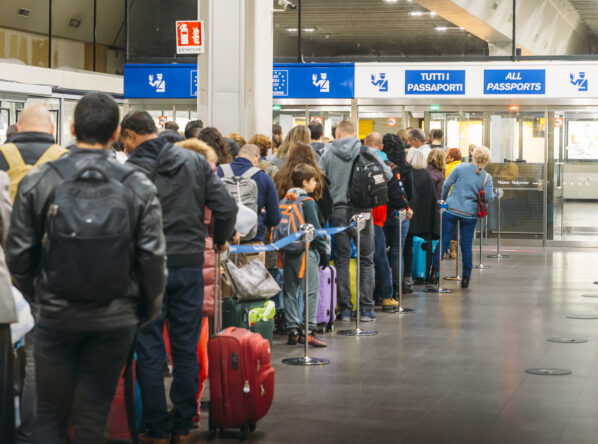
Europe’s new entry and exit system, known as EES, requires British travellers to provide biometric and passport information each time they cross into the EU. At St Pancras, there are 49 self-service kiosks spread across three areas of the station, where this is completed before you go through security. The difference from flying is that EES is handled before you leave London rather than on arrival in Europe, which could add a few extra minutes to your check-in process.
It’s worth knowing that some readers who’ve used the service recently have reported the kiosks being inactive, with a simpler ticket and passport check process in practice. It’s sensible to allow time for the full EES process just in case, and to check the current situation before you travel, since the rollout has been phased and procedures can change.
Journey times and where Eurostar actually goes

Most journeys from London to Paris take around two hours and sixteen minutes, though some services run slightly longer at two hours and thirty-seven minutes depending on the route. Brussels typically takes one hour and fifty-three minutes, Lille just one hour and twenty-two minutes, and Amsterdam four hours and nineteen minutes. These are all direct services from London St Pancras, with no changes required.
For destinations beyond the main hubs, you can connect at Lille, Brussels, Paris, or Amsterdam to reach other parts of France, Belgium, the Netherlands, and Germany. Lille is particularly useful as a connecting point for Disneyland Paris. Swiss cities like Geneva and Zurich can be booked as part of your Eurostar ticket through a partner service, with one change along the way.
There are three ticket classes—here’s what each one includes.
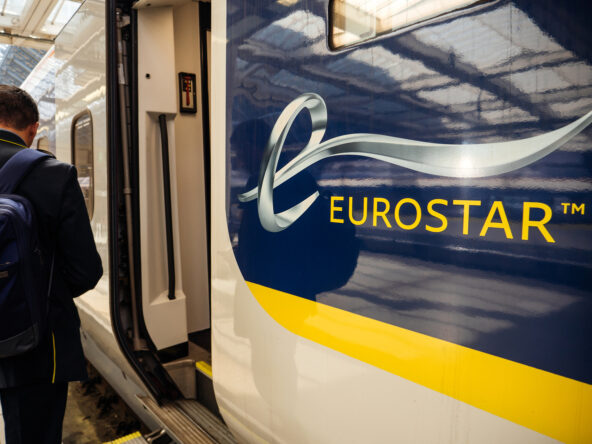
Eurostar has recently simplified its class structure into three tiers: Standard, Plus, and Premier. Standard is the basic fare with no food or drink included. Plus adds noticeably more comfortable seating, extra workspace, and a meal with drinks included in the price. Premier is the most flexible option, offering an all-day boarding guarantee, priority lanes, premium food, and access to the departure lounge at the station.
Refund and change policies vary significantly between classes, so it’s worth understanding these before booking. Premier tickets can be changed or cancelled without a fee up to 48 hours after the departure date. Standard and Plus tickets can be changed without a fee up until an hour before departure, but refunds are only available up to seven days before travel, charged at £25 per leg. Changes made by phone or at the station rather than online incur a £12 fee per transaction, regardless of class.
Luggage allowances are far more generous than flying.
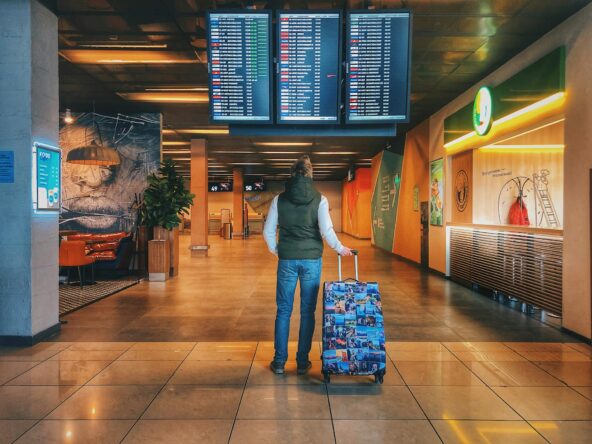
Standard and Plus passengers can take two pieces of luggage plus one piece of hand luggage. Premier passengers get three pieces of luggage plus hand luggage. Children get one piece of luggage and one piece of hand luggage, and pushchairs or prams don’t count towards that allowance. The size limit for bags on trains to and from London is 85 cm at the widest point, but this drops to 75 cm on connecting services, which is worth checking if your journey involves a change.
Bikes can be booked separately, and musical instruments under 85 cm long including guitars can travel as part of your standard luggage allowance on routes to and from London. There are specific rules around sports equipment like skis and camping gear, so it’s worth checking the Eurostar website directly if you’re travelling with anything bulky or unusual, rather than assuming it’ll be straightforward on the day.
There are rules about liquids, food, and what you can and can’t bring on board.

Unlike flying, there’s no restriction on liquids, which is one of the genuinely pleasant differences about Eurostar travel. You can bring as much water, juice, or other drinks as you like. Alcohol is permitted, but there are limits on what you can consume on board: four 440ml cans or bottles of beer or one 750ml bottle of wine per person. If you’re bringing alcohol back into the UK, the amount allowed is determined by customs rules rather than Eurostar’s own policy.
There is a café on board selling drinks, snacks, and meals at reasonable prices, and you’re welcome to bring your own food. On the prohibited side, the list includes unlicensed firearms, certain historical weapons from war sites, e-scooters, flick knives, and perishable items like fish, meat and dairy products. Cut flowers and certain tools are restricted rather than outright banned, so check the full list on Eurostar’s website if you’re unsure about anything specific.
How to get the cheapest tickets and when to book

Adult single tickets start from £39, and the general principle is that earlier booking means better prices, particularly for weekend travel or bank holidays. Eurostar recommends booking four months in advance for the best fares. Tuesdays and Wednesdays tend to be the cheapest days to travel if you have flexibility around dates. Tickets can be changed for free up to an hour before departure, which gives a useful safety net if plans change.
For last-minute travellers, Eurostar Snap is worth knowing about. It releases unsold tickets up to 14 days before departure at prices starting from £35 each way, but there’s a catch: you won’t find out exactly which train you’re on until about 48 hours before travel, since allocation depends on how busy each service is. It’s a good option if your schedule is flexible, and you’re comfortable with that uncertainty. Tickets can be booked up to 11 months in advance, so for popular dates or peak travel periods, getting in early makes a big difference to what you’ll pay.