A new solution designed to make electric cars easier to live with is starting to divide opinion across the UK.
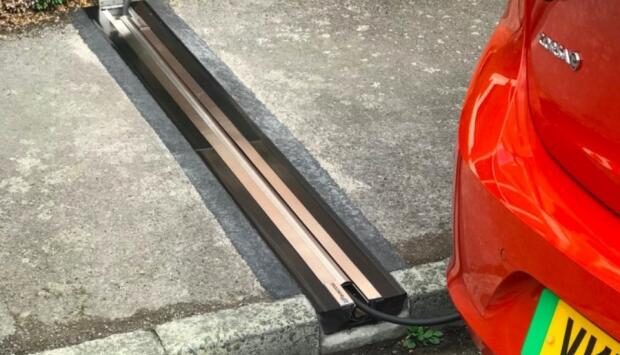
Known as pavement channels, these small grooves cut into pavements allow drivers without a driveway to run a charging cable safely from their home to their car. On paper, it sounds like a practical fix to a growing problem. In reality, it’s already raising questions about safety, fairness, and how shared streets actually work.
The issue sits right at the heart of the UK’s push towards electric vehicles. While switching to electric is being encouraged more than ever, millions of homes still don’t have off-street parking. That means home charging, which is usually the cheapest and easiest option, simply isn’t available to a huge number of drivers. Pavement channels are meant to close that gap, but they’re also exposing a few cracks in how this transition might play out.
What pavement channels are and how they work
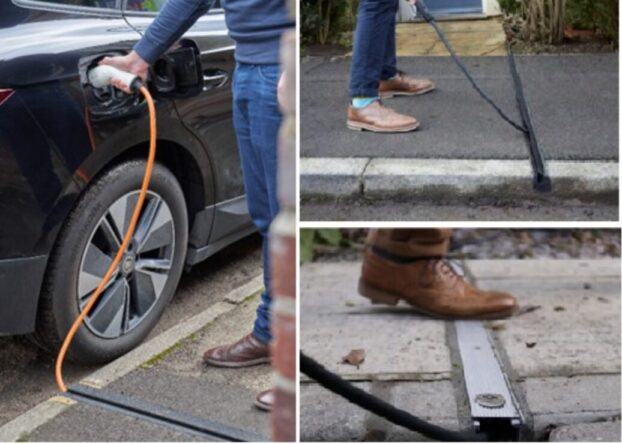
Pavement channels are narrow grooves built into the pavement that allow a charging cable to sit below the surface. The idea is that the cable can run from a house to a car parked on the street without creating a trip hazard. Once in place, the channel is covered, so people can walk over it without noticing much difference.
This is meant to solve a problem councils have already been dealing with. Without a proper system, trailing cables across pavements can be unsafe and, in some cases, not allowed at all. The channels are designed to make at-home charging possible without turning the pavement into an obstacle course.
Why they’re being introduced now
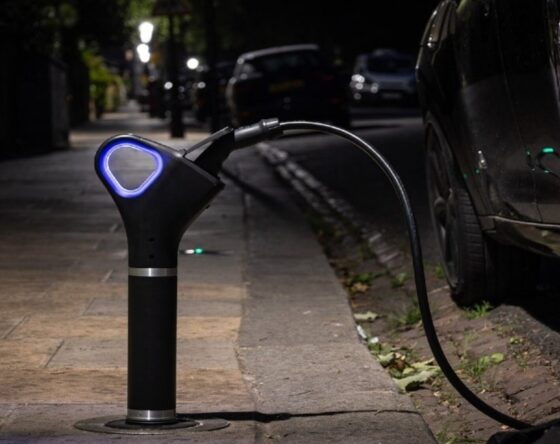
The push for pavement channels comes down to one simple thing. Charging at home is much cheaper than using public chargers. For many drivers, that difference can be major enough to affect whether they switch to electric at all.
With more pressure to move away from petrol and diesel cars, the government and local councils are looking for ways to make electric vehicles work for people who don’t have private parking. Pavement channels are one of the more practical ideas being tested, especially in towns and cities where space is limited.
The parking problem that could undermine it

One of the biggest concerns is something most drivers will recognise straight away. Just because you can charge outside your home doesn’t mean you can actually park there. On most UK streets, parking is public, which means anyone can take that space.
This creates a situation where someone might install a pavement channel but still not be able to use it. If another car is parked outside, the whole setup becomes pointless for that day. That’s where frustration could start to build, especially in areas where parking is already tight.
Why neighbours could end up clashing over it

Parking has always been a sensitive issue, and this adds another layer to it. Even if no one officially owns a space outside their home, people often feel a sense of attachment to it. Adding a charging setup into the mix could make that feeling stronger.
It’s easy to see how this could lead to tension. One household might rely on that space to charge their car, while another simply parks there as normal. Neither is technically in the wrong, but the situation could still lead to arguments, especially on crowded streets.
Safety questions haven’t completely gone away.
Although pavement channels are designed to reduce trip hazards, not everyone is fully convinced they remove the risk entirely. Concerns have been raised about how they will hold up over time, especially with wear, weather, and regular use.
There are also questions about accessibility. Even small changes to pavements can affect people with mobility issues, pushchairs, or visual impairments. That means councils need to think carefully about where and how these channels are installed.
Why rollout could vary depending on where you live

This is not something being introduced in exactly the same way across the country. Some councils are actively trialling pavement channels and encouraging residents to apply, while others are taking a more cautious approach. That means access to this option could depend heavily on location. In some areas, it may become a normal part of street design, while in others, it might remain limited or restricted due to safety or practical concerns.
What this means for the future of electric cars
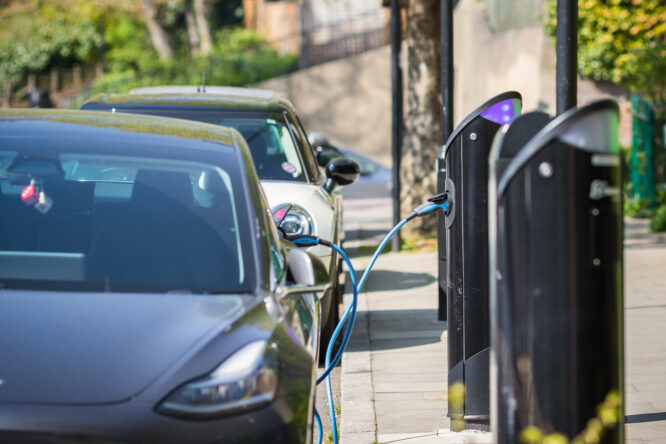
Pavement channels highlight a bigger issue that isn’t going away. Making electric cars the standard option means solving the charging problem for people who live in flats or homes without driveways. Without that, the switch risks feeling uneven.
This isn’t just about technology, but about how people share space. Streets, pavements, and parking have always been shared environments, and adding charging into that mix changes how they’re used. Even a sensible solution can create tension if it doesn’t fit neatly into everyday life.
The debate will no doubt continue.

Pavement channels are a practical idea trying to solve a real problem. They could make electric cars more accessible and cheaper to run for many drivers who currently feel locked out of home charging. However, they also bring new challenges that go beyond the tech itself. From parking disputes to safety concerns, this is one of those solutions that works well on paper but needs careful handling in real life. The debate around them is likely just getting started.