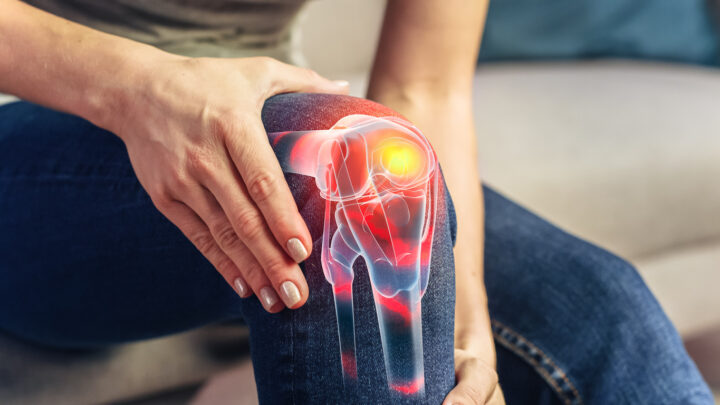
If you’ve hit your 50s and noticed that getting up off the sofa requires a bit more of a rhythmic swing than it used to, you probably shrug it off as just another part of getting older.

While a few extra creaks and groans are par for the course, there’s a massive difference between a bit of morning stiffness and losing the fundamental physical skills that keep you independent. This decade is the critical fork in the road where your daily habits either shore up your strength for the long haul or start a slow slide toward frailty that becomes really hard to reverse once you hit 60.
You don’t need to be running marathons or lifting heavy weights at the gym; the focus should be on those basic, functional movements like balance, grip, and flexibility that most of us take for granted until they start to vanish. Before you settle into the idea that slowing down is inevitable, it’s worth seeing if you can still manage these key physical benchmarks that dictate how mobile you’ll be in the decades to come.
Getting up from the floor without help

If you already find yourself looking for something to grab onto when you get up off the floor, that’s worth paying attention to now rather than later. The ability to get down and back up again relies on leg strength, core stability, and hip flexibility, all of which decline steadily if you don’t actively work to maintain them.
People who practise floor-based movement regularly, whether through yoga, stretching, or just sitting and standing from the ground as part of daily life, tend to hold onto this ability far longer. It sounds like a small thing until the day you can’t do it at all.
Recovering from a bad night’s sleep

Most people in their 50s notice that a rough night hits harder than it used to, and that bouncing back takes a full day rather than a strong coffee. Sleep quality changes with age, and the deep restorative sleep that your body relies on becomes harder to achieve and easier to disrupt.
If you’re already relying on naps, struggling to function after one late night, or finding that your sleep is fragmented most of the time, those patterns tend to become more entrenched rather than better. Building consistent sleep habits now, including a regular bedtime, limiting alcohol, and keeping your bedroom cool and dark, makes a genuine difference to how you cope in the decades ahead.
Maintaining a healthy weight without trying
The effortless metabolism that some people carried into their 40s is largely gone by the 50s, and the change tends to accelerate rather than level off. Muscle mass drops, hormone levels change, and the body becomes more efficient at storing fat, particularly around the middle.
If you’re already finding that your weight creeps up despite eating roughly the same as you always have, that trend is unlikely to reverse on its own. Strength training is one of the most effective tools for keeping this in check because muscle burns more energy at rest than fat does, and building even a modest amount now gives you a better baseline to work from going forward.
Keeping up with a conversation in a noisy room

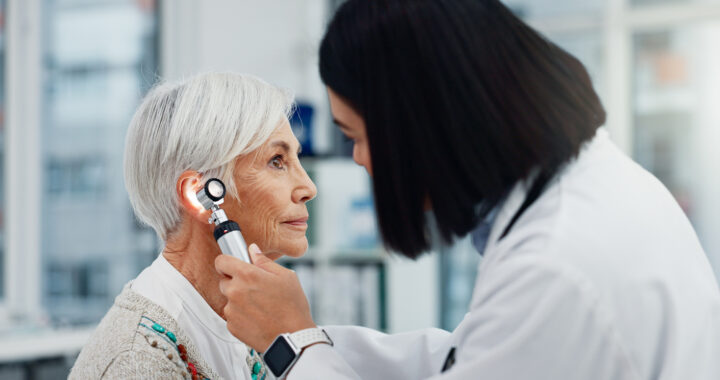
Struggling to follow conversations when there’s background noise is one of the earliest and most commonly ignored signs of hearing change. A lot of people in their 50s put it down to other people mumbling or rooms being too loud, which is understandable because the experience genuinely does feel like an external problem rather than an internal one.
Untreated hearing loss has been linked in multiple studies to faster cognitive decline and a higher risk of dementia, which makes it worth taking seriously well before it becomes a major daily problem. Getting a hearing assessment and acting on what it shows is one of the more impactful things you can do for your long-term health.
Remembering why you walked into a room

Almost everyone does this occasionally, but if it’s happening regularly, and you’re also finding it harder to hold onto names, recall words mid-sentence, or keep track of multiple things at once, it’s worth treating as a signal rather than a joke. Cognitive sharpness responds well to the same things that keep the body healthy: regular exercise, good sleep, social connection, and mental stimulation.
The brain is genuinely adaptable well into later life, but it needs to be used and looked after. People who stay mentally active and physically healthy in their 50s consistently show better cognitive function in their 70s and 80s.
Touching your toes

Flexibility is one of the first things to go and one of the easiest to quietly ignore because it doesn’t cause obvious problems until it does. Tight hamstrings and a stiff lower back make everyday movements harder, increase the risk of injury, and contribute to the kind of chronic pain that becomes a background feature of life for many older people.
Spending even 10 minutes a day on basic stretching is enough to maintain a reasonable range of movement if you start before things have tightened up in a big way. By the 60s and 70s, regaining lost flexibility becomes considerably harder than simply keeping what you already have.
Standing on one leg for 10 seconds

This is a surprisingly reliable indicator of overall physical health and longevity. Research has found that people who struggle to balance on one leg for 10 seconds in midlife have a higher risk of dying earlier than those who can manage it comfortably.
Balance relies on muscle strength, coordination, and the body’s proprioceptive system, all of which need regular use to stay sharp. Practising balance daily, even just standing on one foot while you brush your teeth, keeps those systems active and significantly reduces the risk of falls later on.
Drinking alcohol without paying for it for days

The way the body processes alcohol changes considerably with age, and most people in their 50s notice that even a modest amount affects their sleep, energy, and mood in ways it didn’t before. If you’re already finding that a couple of glasses leaves you feeling rough the next day, that sensitivity is only going to increase.
The liver becomes less efficient at processing alcohol, sleep is disrupted even by small amounts, and the inflammatory effects last longer. Cutting back now rather than waiting until you’re forced to makes the adjustment considerably easier and protects both your physical and cognitive health.
Making and keeping new friends

Social connection becomes harder to maintain and harder to build as life gets busier, children leave, colleagues retire, and the natural gathering points of earlier life disappear. Loneliness in later life is a serious health risk, comparable in its effects to smoking, and the friendships that protect against it don’t appear from nowhere in your 70s.
The habits of staying in touch, saying yes to invitations, joining things, and investing in relationships need to be kept up through the 50s or the social muscle weakens. People who arrive at their 60s with a strong social network tend to be healthier, happier, and more resilient than those who don’t.
Walking at a decent pace without getting breathless

Cardiovascular fitness declines gradually and often invisibly until the gap between where you are and where you need to be becomes obvious. If a brisk walk already leaves you more breathless than it should, that’s a sign your aerobic capacity needs attention.
The good news is that it responds well to consistent effort, and you don’t need to do anything extreme to see results. Regular walking, cycling, or swimming at a pace that raises your heart rate meaningfully is enough to maintain and even improve cardiovascular health well into later life, as long as you stay consistent with it.