Most people take oral hygiene pretty seriously, meticulously brushing for two minutes and rinsing out our sinks to keep things sparkling clean.
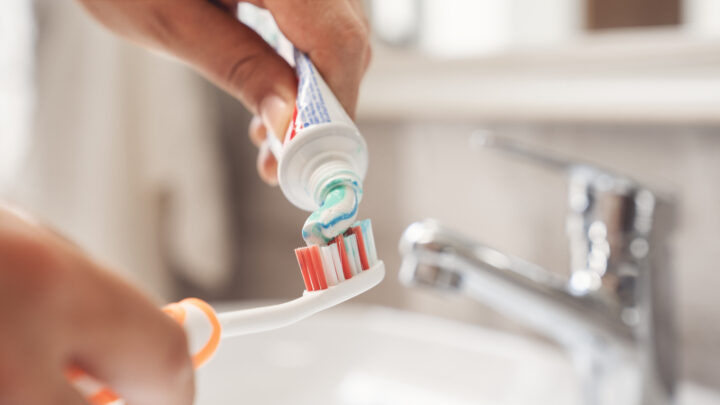
But while you’re focused on getting your pearly whites pristine, there’s a filthy little secret hiding right at the bottom of your toothbrush holder. Dental professionals are warning that the humble toothpaste cap is often one of the germiest surfaces in the entire house. Every time you twist or flip that plastic lid with unwashed hands, or let it sit in a damp puddle of old, crusty residue, you are creating a perfect breeding ground for bacteria.
Basically, if you’re not giving that little plastic top a regular scrub, you’re accidentally introducing fresh contamination into your morning routine before the bristles even touch your teeth.
It’s one of the bathroom items that collects a lot of germs.
You wouldn’t think it, but dentists are pretty united on this one. Every time you brush your teeth, you twist that cap off with whatever’s on your hands, then twist it back on again afterwards. Multiply that by everyone in your household, twice a day, every day, and the cap quickly becomes one of the most touched surfaces in the bathroom.
It’s the kind of thing nobody ever thinks to clean. Most of us wouldn’t dream of going months without wiping down the toilet seat or the bathroom taps, but the toothpaste cap rarely gets so much as a glance.
Caps end up germier than you’d expect.
It comes down to where they live and how they’re used. Toothpaste caps usually sit on a shelf or by the sink, surrounded by moisture, which is what bacteria need to thrive. Toothpaste tends to clump up around the opening of the tube and the inside of the cap, and that little bit of paste residue traps bacteria nicely.
The cap itself often stays a bit damp, especially in a steamy bathroom after a shower, and damp surfaces are basically an invitation for things to grow. Add to that the fact that most people don’t wash their hands properly before brushing their teeth, and you can see how germs end up there in the first place.
Flushing the toilet plays a part as well.
This bit catches people out. When you flush the toilet, especially with the lid up, tiny droplets of water get sprayed into the air and can travel several feet before landing on whatever surfaces are nearby. If your toothbrush, toothpaste, or anything else you put in your mouth is sitting out in the open near the toilet, those droplets can absolutely land on it.
It’s not pleasant to think about, but it’s a real thing, and it’s one of the reasons dentists keep saying you should close the lid before you flush. Worth doing even if your toothpaste lives well away from the toilet, honestly.
The toothbrush-and-cap loop can get pretty nasty.
There’s another bit most people miss. When you squeeze toothpaste straight onto your brush, the bristles often touch the opening of the tube. Whatever’s on your brush, including bacteria from your mouth, transfers onto the tube. Next time someone in the house brushes, they pick up a bit of that, and it goes on their brush.
It becomes a quiet little cycle of bacteria moving back and forth between people’s mouths, the cap, and the tube. Especially noticeable in households where the toothpaste is shared, which is most of them.
Will it actually make you ill?
For most people, no. Toothpaste itself has mild antibacterial properties, your immune system handles small amounts of everyday bacteria perfectly well, and the germs sitting on a toothpaste cap are usually the same ones already living in your mouth anyway.
Dentists say this isn’t something to lose sleep over, and they’re not telling you to throw your toothpaste away every week. The bigger concern is for households where someone is poorly, immunocompromised, has gum disease, or is recovering from a dental procedure. In those cases, paying a bit more attention to keeping the cap clean is a sensible move.
How to keep it cleaner without going overboard

Wipe the excess toothpaste off the opening of the tube and the inside of the cap before you screw it back on. That’s the single biggest thing you can do because it’s the residue that traps bacteria. Once a week or so, give the cap a proper rinse under hot water to clear out any build-up, and let it air dry before putting it back on.
Try to avoid letting your toothbrush bristles touch the tube when you squeeze the paste out, just hover the brush underneath rather than pressing it onto the opening. And keep your toothpaste somewhere clean, cool, and dry rather than sitting in a soggy patch by the sink.
Sharing a tube and shared bathroom hygiene might need an adjustment.
Sharing toothpaste is normal in a family, but it does mean more hands touching the same cap. If anyone in the house is unwell, it’s worth keeping a separate tube for them until they’re better, just to break the cycle. The same goes for guests staying over.
None of this is about being precious—it’s just sensible during cold and flu season or when something nasty is going around. Closing the toilet lid before flushing is another small habit that makes a bigger difference than people realise, and it costs nothing.
Washing your hands is just as important as ever here.

The single most useful thing you can do for any bathroom hygiene problem isn’t fancy. It’s washing your hands properly, with soap, before you brush your teeth and after using the loo. Most of the germs that end up on a toothpaste cap got there from someone’s hands in the first place. Dentists, doctors, and the people who study this stuff all say the same thing, and it’s almost boring how often it comes up. Twenty seconds of soap and water genuinely sorts most of it out.
You don’t need to throw out your toothpaste, sterilise the bathroom, or buy any special cleaning gadgets. Wipe the cap, rinse it now and then, close the loo lid, and wash your hands. Those four little habits cover off most of what’s worth worrying about, and you can get on with your life. Brushing your teeth is meant to be the cleanest bit of your day, after all.