Homeowners could be waving goodbye to thousands of pounds without even realising it, all because of tired, outdated features that put potential buyers right off.
When you’re trying to get a property shifted in a competitive market, it’s easy to assume the big-ticket items like a new boiler or a solid roof are the only things that truly matter. According to property experts, that’s not the case at all. Massive structural headaches will obviously trigger tough negotiations, but the real value often slips away on the smaller, cosmetic details people completely overlook.
Cluttered hallways, peeling laminate, brassy fixtures from 20 years ago, and dingy lighting can instantly give viewers a bad feeling before they’ve even kicked off their shoes at the front door. Those minor flaws add up fast, planting an unconscious seed in a buyer’s head that the place needs endless work, which leads straight to cheeky, rock-bottom offers or viewers simply walking away entirely.
Small details matter more than buyers admit.

A badly maintained driveway, tired-looking windows or a scruffy front door can seriously damage a buyer’s first impression before they’ve even stepped inside. According to the managing director of property company HBB Solutions, most people want to buy a home they can move straight into, without needing to spend thousands sorting out neglected jobs afterward. When small maintenance issues look like they’ve been ignored, buyers naturally start wondering what else might be wrong with the property that they simply can’t see.
An outdated conservatory could cost you 10 per cent of your sale price.
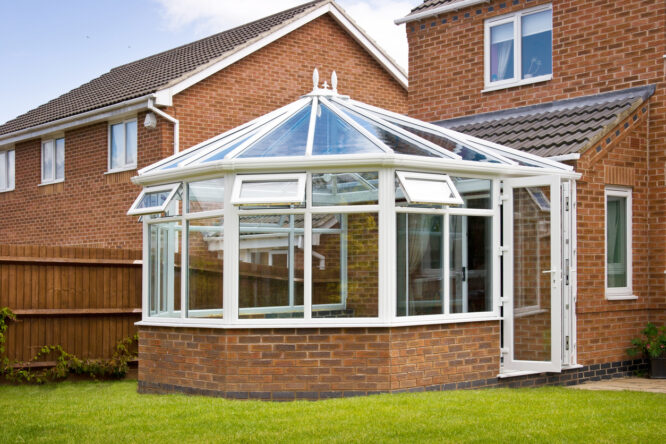
One of the biggest culprits is the once beloved conservatory, which has fallen out of favour with modern buyers. They’re often viewed as impractical, uncomfortably hot in summer and freezing in winter, with buyers now preferring insulated extensions or open-plan living spaces that work properly all year round instead.
This mismatch in taste can create a gap between what sellers believe their home is worth and what buyers are actually willing to pay. According to HBB Solutions, an outdated conservatory can create a five to ten per cent difference between a buyer’s and seller’s valuation of the same property.
If you’re currently trying to sell a home with an older conservatory, upgrading to a solid, insulated roof can immediately transform it into a usable, year round living space. A more budget friendly option involves installing thermal blinds and adding a dedicated heat source instead. You should also consider staging the room for viewings, furnishing it as a practical space like a home office or dining room, so buyers can properly picture its potential rather than dismissing it as a redundant add-on.
Converting a bedroom into an office could cost you £15,000.
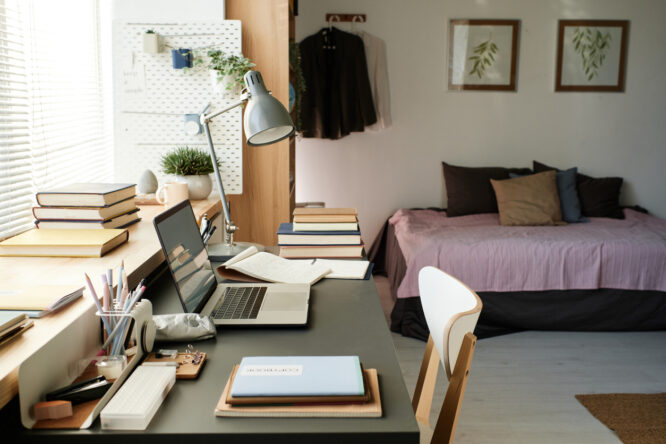
Another common mistake involves converting a spare bedroom into a home office, a trend that took off significantly during the pandemic. Most family buyers still value having an extra bedroom far more highly than a dedicated workspace, meaning turning a three-bedroom property into a two bed with an office limits your pool of potential buyers.
This kind of switch is estimated to cost sellers around £15,000 on an average property, with some experts putting the potential loss as high as £40,800 depending on the specific home. The recommended fix is simple: convert the room back into a proper bedroom, and simply mention its flexibility for other uses when marketing the property instead.
A neglected garden could wipe £5,000 off your asking price.

Letting the outside of a property look neglected, whether that’s an overgrown garden or a messy driveway, is another major issue. Poor kerb appeal can knock as much as five per cent off a buyer’s offer, while an unkempt garden alone has been estimated to wipe up to £5,000 off a property’s sale price.
Sprucing up outdoor space before viewings doesn’t need to be complicated. Start with the basics: mowing the lawn, weeding flowerbeds, and trimming back any overgrown hedges or unruly bushes. Power washing driveways, pathways, and patios can also instantly refresh a property’s exterior by stripping away years of built-up dirt and grime. Adding fresh mulch to borders, along with a few brightly coloured potted plants or hanging baskets near the front entrance, creates a welcoming first impression that draws buyers in before they’ve even reached the front door.
A tired, dated kitchen could cost you £13,000.

The same principle largely applies inside the home too, unless you’re specifically selling to an investor looking for a renovation project. A dated kitchen alone has been estimated to cost sellers up to £13,000, with buyers often reducing their offer by several thousand pounds simply because they assume they’ll need to replace it immediately.
The good news is you don’t need a full refit to protect your home’s value. According to the chief executive of the HomeOwners Alliance, sellers shouldn’t assume they need to spend tens of thousands on a complete kitchen overhaul. Relatively inexpensive changes, like new cabinet doors, handles, worktops, or simply refreshing tired grout, can make a significant difference. If you’re planning to sell soon, the aim should be making the kitchen look clean, well maintained and appealing, rather than trying to build your own dream kitchen for someone else to buy.
Poor energy efficiency could cost you £11,000.

Energy efficiency has become another important factor for buyers, with poor insulation, single glazing and outdated boilers making a home considerably less appealing while running costs remain high. Fortunately, homeowners looking to improve their property’s energy efficiency before selling can take advantage of various government schemes to help offset the cost.
Initiatives like the Great British Insulation Scheme and the Boiler Upgrade Scheme offer financial support and grants to eligible households upgrading loft or cavity wall insulation, or replacing an inefficient heating system. According to Rightmove data, improving a property’s Energy Performance Certificate rating from a D to a C can add around 4% to its value, equivalent to almost £11,000 on the average home.
Protecting your home’s value doesn’t have to cost a fortune.

The reassuring news is that fixing most of these issues doesn’t require spending a fortune. Sellers can often protect their property’s value through relatively low-cost improvements, such as tidying the garden, refreshing dated decor, boosting kerb appeal, and making sure any extensions, alterations, or repairs are properly documented and ready to show buyers.
Buyers are consistently willing to pay more for a home that feels well looked after and doesn’t raise concerns about hidden costs lurking beneath the surface. The overall advice is to focus on small, affordable jobs rather than embarking on major renovations before putting a property on the market. Simple DIY tasks that don’t cost much, decluttering, and a fresh coat of decoration generally go much further than expected. Avoid the temptation to splash out on a brand-new kitchen or bathroom purely to boost your sale price, since these kinds of upgrades rarely pay for themselves when done specifically with selling in mind.